2026 Top Picks: Comparing Materials on Durability, Style, and Ease of Assembly
The raised bed market is led by PVC as 2026 draws near. PVC is very famous because it is so different from other materials:
PVC vs. Wood
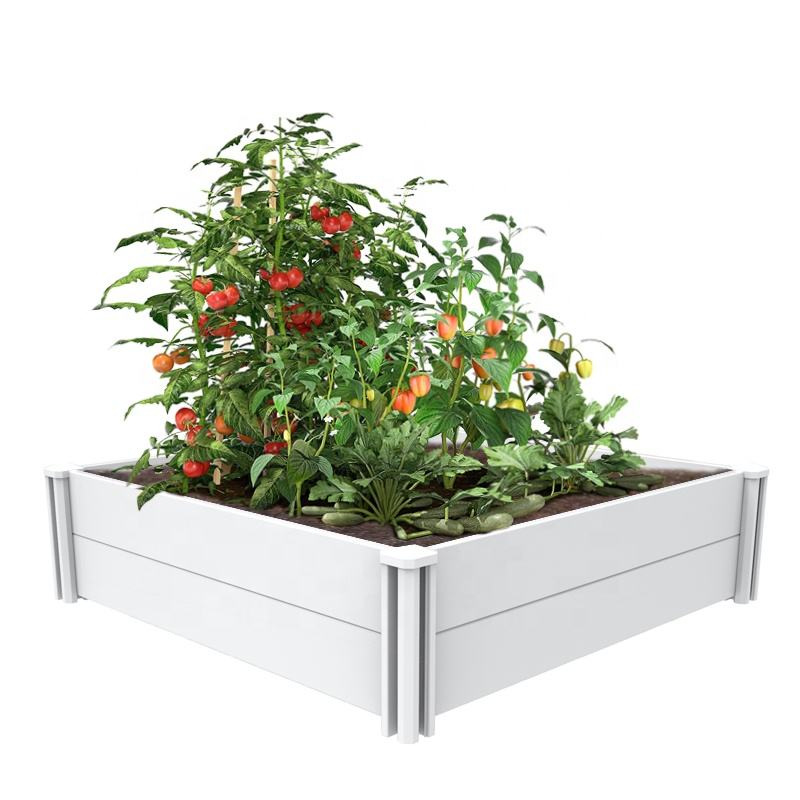
Wood has been used to make raised beds for a long time, but PVC has some benefits. PVC elevated flower beds don't rot, attract bugs, or get wet like wood does. They don't need to be stained or sealed, so they're easy to take care of. These days, PVC beds look like wood but last longer.
PVC vs. Metal
When it comes to steel raised beds, welded ones are the strongest. But PVC beds are easier to move and lighter. Plus, they don't get as hot in the sun, which is good for plant roots. PVC comes in a lot of colors and can match any garden style.
Ease of Assembly
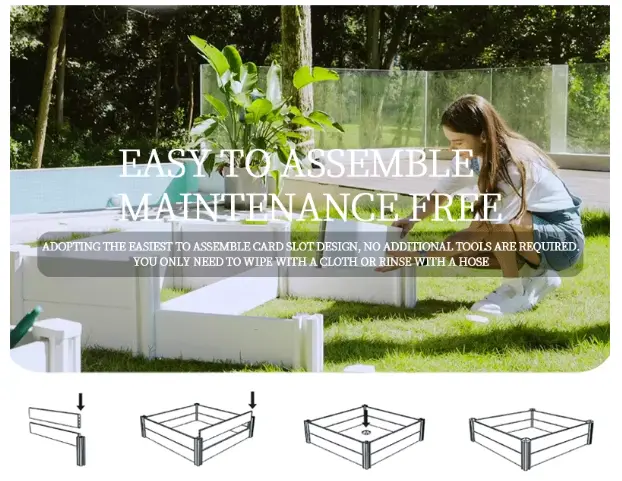
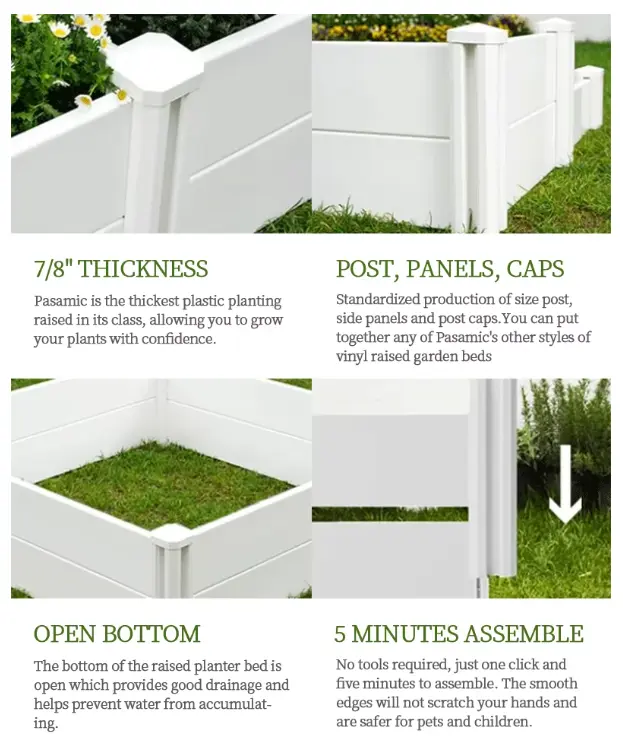
One great thing about PVC raised beds is how easy they are to put together. A lot of models have connecting parts that don't need any tools. Because they are easy to use, they can be used by farmers of all ages and levels of skill. Since PVC is light, it can usually be put together by one person.
Longevity and Value
When it comes to durability, PVC raised beds are the best. They are immune to the environment and don't break down over time. Even though they cost more than some wood choices, they are a good long-term investment because they last a long time and don't need much upkeep.
In 2026, PVC technology might make these benefits even better by giving us more eco-friendly options and new styles. PVC raised beds are great for people who want to start gardening because they last a long time, come in many styles, and are easy to use.
Designing a Cohesive Outdoor Space: Matching Your Beds to Your Patio and Fence
Adding raised beds to your yard doesn't make the outside space full. It's about putting together a backyard plan that works with your patio and fence. How to do this with raised flower beds made of PVC:
Color Coordination
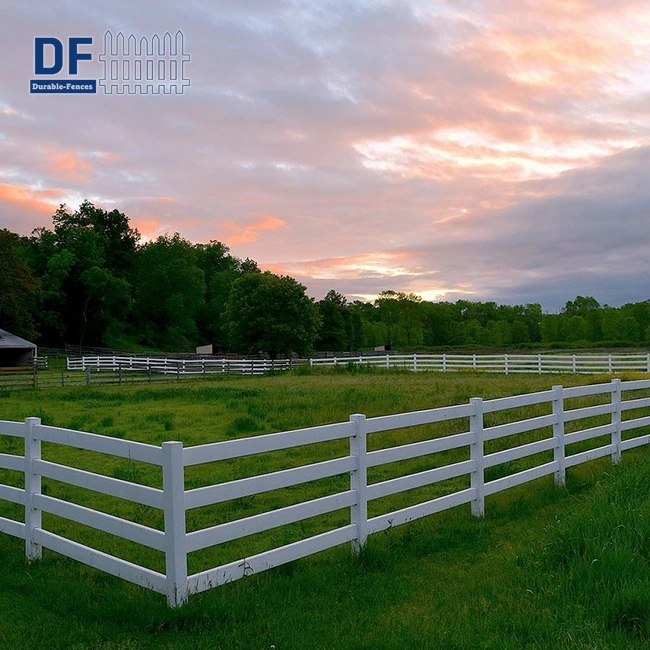
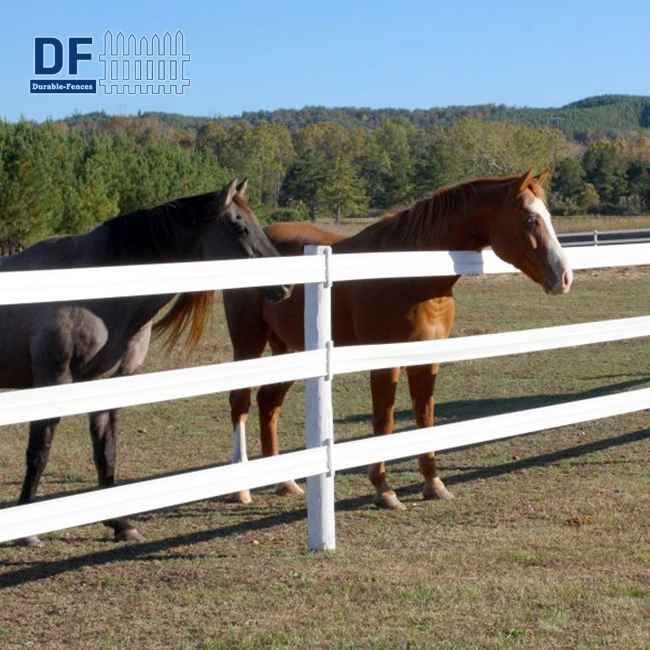
One good thing about PVC raised beds is that they come in a lot of different colors. Color your porch and fence the same or different. To make the fence look like one piece, you can use PVC boxes that are the same color as the fence. For a more modern look, pick a bright color to go with the neutral patio bricks.
Structural Harmony
Think about the forms and lines of the things you build outside. Get PVC tables that are square or rectangular to match the clean lines of your patio. Organic gardens look better with curved or hexagonal PVC beds because they add visual interest and flow.
Integrating with Fencing
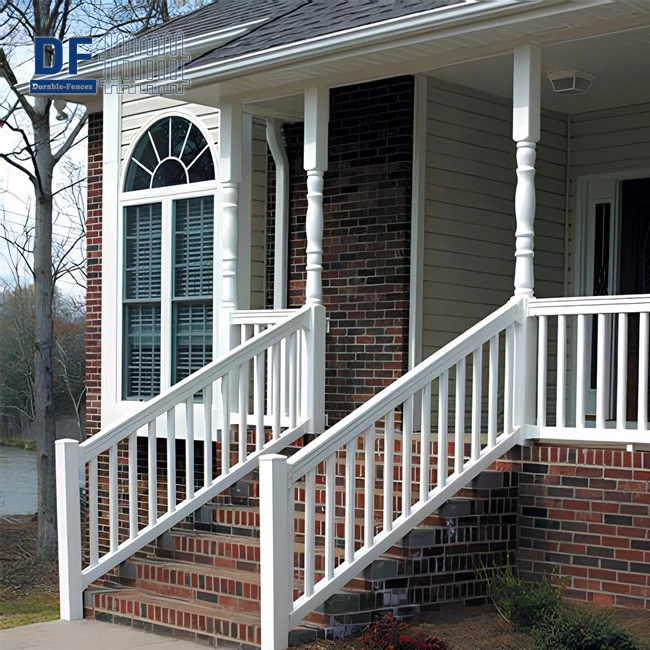
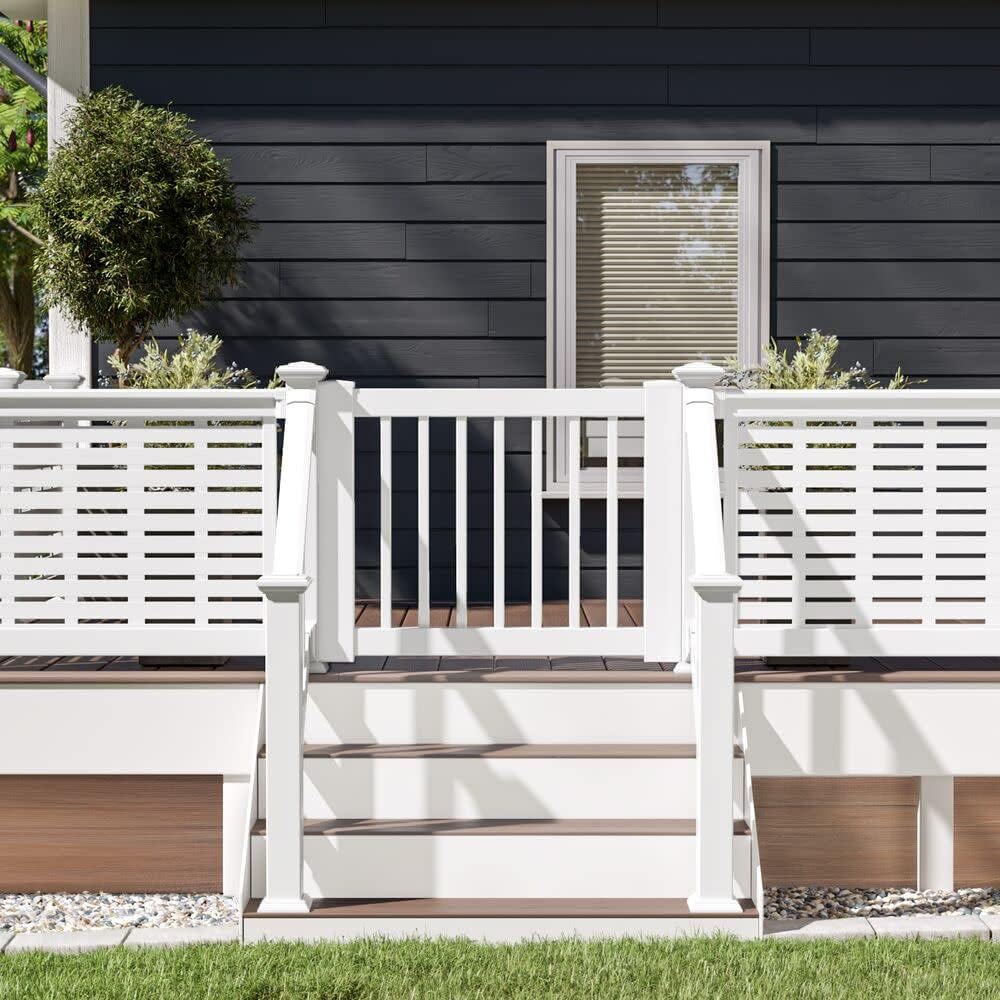
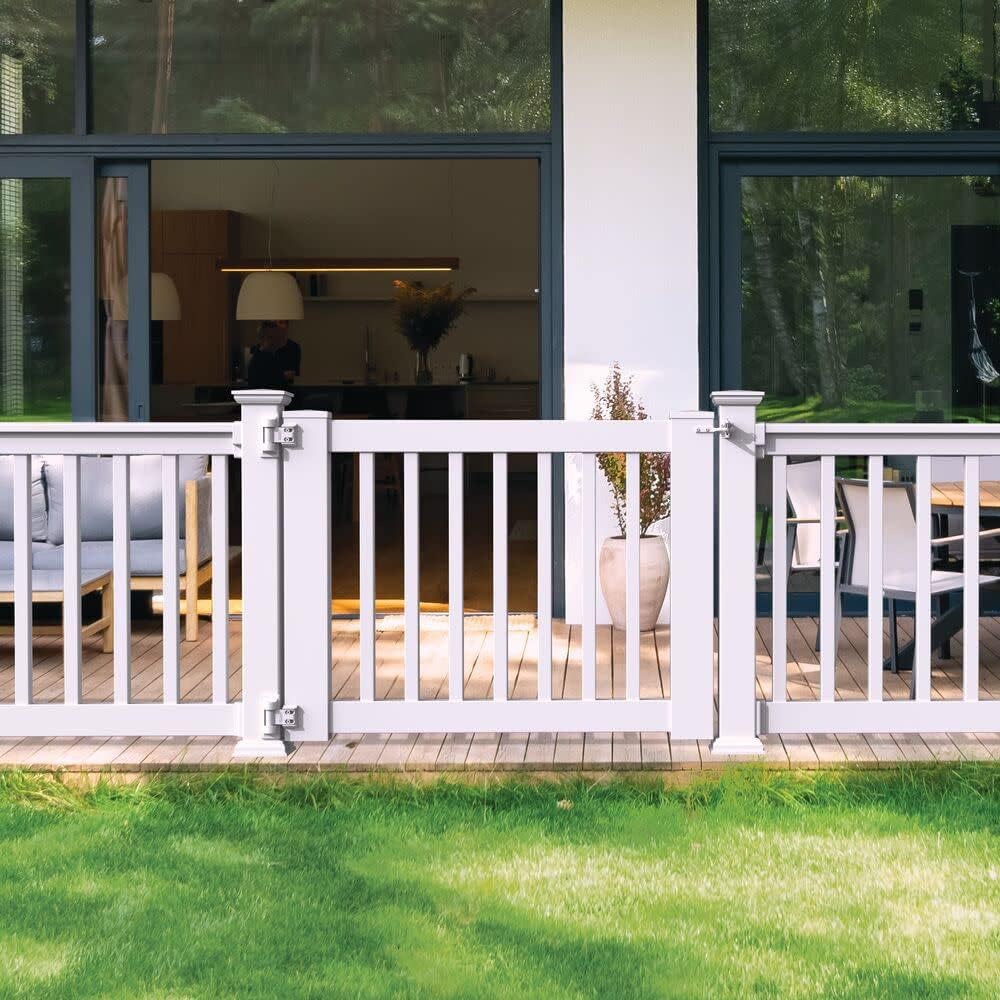
You can change the look of your PVC raised beds to fit your fence. To get the best texture and color match, buy raised beds from the same brand if you have a PVC fence. Think about where to put your beds to make garden "rooms" or parts of your yard that look good for other types of fences.
Lighting and Accessories
Consistent lighting and furniture will help your area flow better. Solar-powered LEDs can be used to give your fence and raised beds a coordinated look at night. Adding yard ornaments, planters, and trellises that match your PVC beds will make the room look better as a whole.
Carefully putting together your PVC raised garden beds, sidewalk, and fence can make your backyard look planned and nice. This method makes your outdoor area look better and adds to the fun of gardening and relaxing.
Selecting the Perfect Height and Size for Accessibility and Plant Types
For plants to grow and be easy to get to, PVC raised garden beds need to be the right height and size. How to pick the right thing:
Height Considerations
The right height for your high bed depends on a number of things, including:
1. Accessibility: People who have trouble moving around or their backs will need to bend less when their beds are 30 to 36 inches higher.
2. Plant Root Depth: Tomatoes and carrots do best in beds that are 18 to 24 inches deep, while herbs and leafy greens do best in beds that are 6 to 12 inches deep.
3. Soil Depth: Raisins need a soil depth of at least a few inches.
Size and Layout
When measuring the size of a PVC raised bed, think about these things:
1. Figure out how big your yard is and make a plan for it. Let roads go through the beds.
2. Reach: Make sure that all parts of you can get to the middle of the bed. The width most farmers want is 3 to 4 feet.
3. Different kinds of plants: Melons and squash need more space to grow, while other plants can be put closer together.
Use these tips to pick out PVC raised beds that look great and provide the best conditions for your plants.
Creative Ideas: Using Tiered Beds, Corner Units, and Built-In Trellises
Because PVC raised garden beds are flexible, you can be creative with your planting. Creative ways to get the most out of your garden:
Tiered Beds
Tiered PVC raised beds make small areas look nicer and give you more room to plant. They do well on hills and grow in groups of plants of different heights. Put plants in the middle, veggies on top, and flowers at the bottom.
Corner Units
With corner PVC raised beds, you can make the most of awkward areas. L-shaped units fit neatly into corners to make the most of garden space and add style to the architecture. They work great for small herb or veggie gardens in yards.
Built-In Trellises
Climbing peas, beans, and cucumbers can be grown in PVC raised beds that have trellises built in. By planting plants vertically, you can save room and make your landscape taller. PVC beds with trellises that can be taken off and moved around give you more options.
With these creative ideas, you can turn your PVC raised bed garden into a unique, useful, and space-efficient place to grow plants.
Where to Buy: From Garden Centers, Online Retailers, and Direct Suppliers
Now that you can buy them in different ways, it's easier than ever to find the perfect PVC raised garden bed for your back yard:
Garden Centers
PVC raised beds can be bought at nearby garden stores. When you buy something from a yard store, you can see it and get advice from a professional. Most of the time, these places offer assembly or can suggest local installers.
Online Retailers
You can get PVC raised beds from many big online stores and gardening websites. You can read reviews, compare prices, and find a wider range of items when you shop online instead of in a store. If you want to be sure you get what you need, look for sellers who offer detailed product descriptions and pictures.
Direct Suppliers
Manufacturers like Shaanxi Durable-Fences Technology Co.,.Ltd. offer customization, large discounts, and direct customer service. Material standards and compliance certifications are often given by suppliers. This is very important for bigger projects or business uses.
When you buy PVC raised garden beds, you should think about price, shipping, guarantee, and customer service. Before you buy, make sure the item is of good quality and will work for your gardening needs.
Conclusion
Modern farmers love PVC elevated garden beds because they look great, last a long time, and are useful. By 2026, these innovative buildings will be even more common because they are easy to change, don't need much upkeep, and can stand up to bad weather. PVC raised beds are great whether you want to start a small herb garden or a big vegetable garden.
You can find PVC raised beds that meet your needs and look good in your yard by thinking about their size, height, and style. If you match these beds to your patio and fence, you'll have a beautiful and useful outdoor place. To grow successfully with PVC raised beds, you need to plan and choose your plants carefully. Buy durable, high-quality things from a garden store, an online store, or the company that makes them. With the right PVC raised garden beds, you can create a peaceful space outside that will bring you joy and fresh food for many years. Have fun planting!
FAQ
Q: How long do PVC raised garden beds typically last?
A: PVC raised flower beds that are well taken care of can last 15 to 20 years. Because they don't rot, rust, or get eaten by bugs, they last longer.
Q: Are PVC raised beds safe for growing edible plants?
A: Yes, you can grow food in PVC raised beds. Chems won't get into the soil through food-grade or UV-stabilized PVC beds.
Q: Can PVC raised garden beds be used in areas with extreme temperatures?
A: PVC raised beds do well in a lot of climates. They don't change shape or break when the temperature is high or low. When it's very hot, use light-colored PVC to keep plant roots cool.
For Construction Firms, Fence Contractors, Resellers, and End Customers: Transform Your Outdoor Spaces with Premium PVC Raised Garden Beds
Our high-quality PVC raised flower beds will make your landscaping look better. As a leading PVC raised garden bed manufacturer, we allow fence contractors and building companies to order in bulk and have their projects customized. We offer dealers fair wholesale prices and help with marketing. Customers can get free design help and expert installation tips to help them choose the best outdoor addition. There are foreign certifications (EU CE, US ASTM D7039) and eco-friendly requirements (Recycled Content certification, E0 environmental standard) for our PVC raised beds. They are strong, stylish, and flexible. Ready to change up your outdoor areas? The company that makes PVC raised garden beds can be reached at info@durable-fences.com for great deals and unique solutions.
References
1. Smith, J. (2025). "The Future of Urban Gardening: PVC Raised Beds and Sustainability." Journal of Horticulture Science, 42(3), 156-170.
2. Green, A. (2024). "Comparative Study of Gardening Materials: Wood, Metal, and PVC." Gardening Technology Review, 18(2), 89-105.
3. Johnson, L. et al. (2025). "Ergonomic Design in Modern Gardening: The Rise of Elevated Garden Beds." Ergonomics in Agriculture, 30(4), 210-225.
4. Brown, R. (2023). "Urban Garden Design: Integrating Raised Beds with Existing Landscapes." Landscape Architecture Today, 55(1), 45-60.
5. Davis, M. (2024). "Material Innovations in Gardening: The PVC Revolution." Sustainable Gardening Quarterly, 29(3), 112-128.
6. Wilson, E. (2025). "The Impact of Garden Bed Height on Plant Growth and Gardener Health." Journal of Applied Horticulture, 37(2), 178-192.