It is possible for homeowners and property managers to make their outdoor areas look more modern and green by putting up WPC fences. These cutting-edge materials are good for both looks and the environment because they combine the strength of plastic with the natural beauty of wood. WPC fencing is better than traditional fencing in many ways, such as how well it stands up to wear and tear and how little damage it does to the environment. This guide talks about the pros and cons of WPC fences, how to choose and install the right fencing, and the different uses for vertical composite fence panels. The steps in this article will help you use WPC fencing to make your garden fence better and help your customers.
English
Best WPC Fences for a Modern, Sustainable Outdoor Space
share:
Feb 22 2026
Why WPC Fences Are the Ideal Choice for Sustainable Landscaping?
The idea of sustainable landscaping is not a passing trend. It is a smart way to design your yard that thinks about how it will last and how it will affect the environment. WPC fences are a great choice for eco-friendly home improvements because they follow these principles and offer many other benefits as well.
Eco-Friendly Materials and Production
Because of how they are made, WPC fences last a long time. A lot of the time, these fences are made from recycled plastic and wood. These and other creative ways of recycling cut down on waste and material use. The production of WPC fence is better for the environment than the production of wood fence because it uses less energy and makes less pollution.
Long-Lasting Performance
The idea of sustainability depends on materials that are both strong and last a long time. Fences made of WPC can stand up to bad weather. They can be used for many years without going bad. Because durable items don't need to be fixed or replaced as often, they use fewer resources.
Low Maintenance Requirements
WPC fences, on the other hand, don't need to be painted, stained, or sealed like wood fences do. They don't use chemicals to keep bugs and water away, so over time they have less of an effect on the environment. Chemicals that damage wood fences don't have to be used when the fence doesn't need much upkeep. This saves time and money.
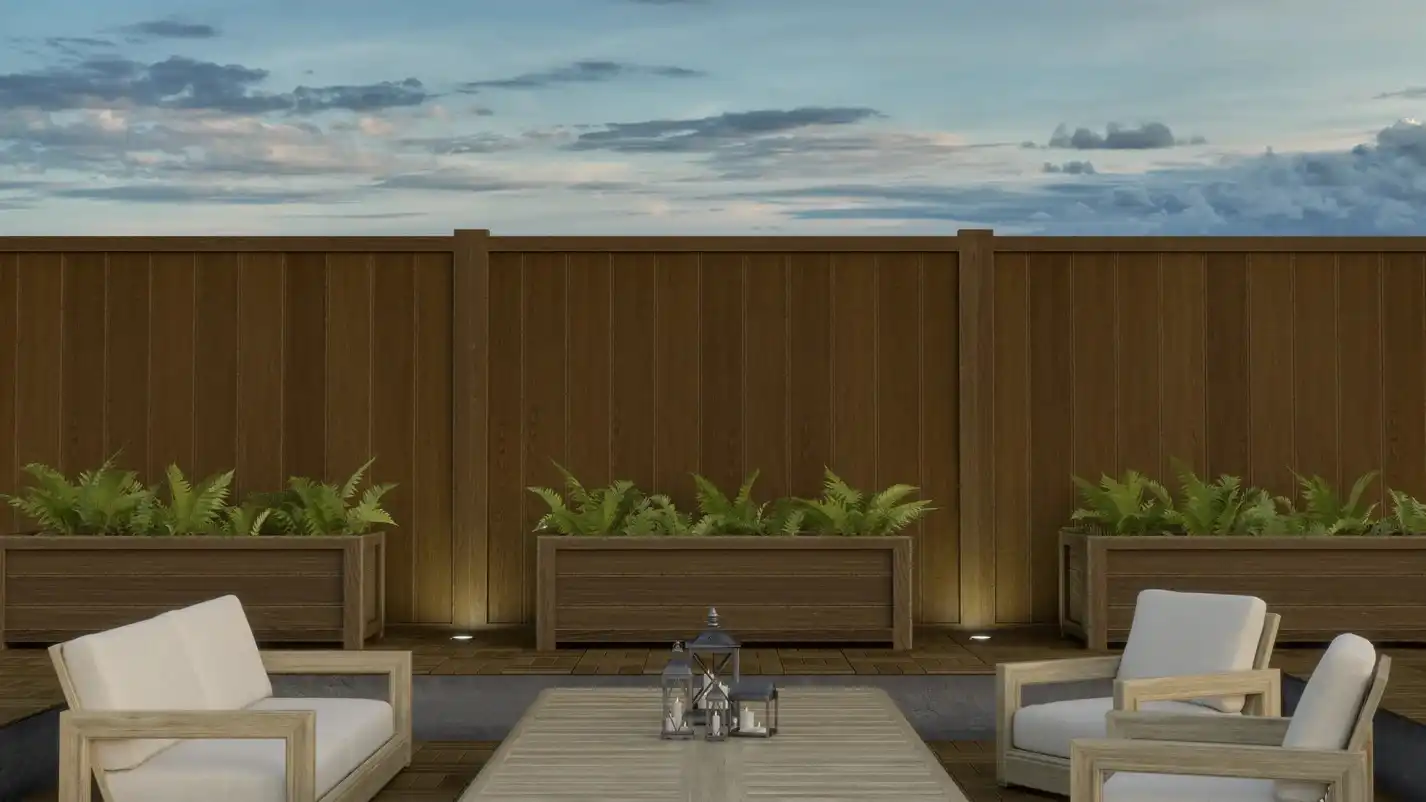
How WPC Vertical Fence Panels Enhance the Aesthetic of Modern Gardens?
Modern garden design is characterized by clear lines, simple patterns, and smooth transitions between indoor and outdoor areas. One of these design ideas is vertical fence panels made of wood-plastic composite (WPC). Style and purpose are added to modern outdoor areas by these things.
Sleek and Contemporary Appearance
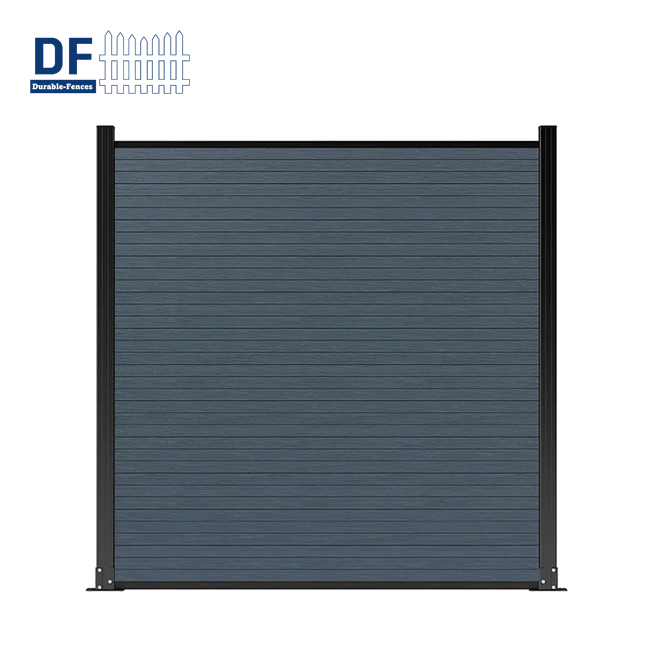
WPC vertical fence panels are smooth and even, which makes them a good choice for modern architecture. It is common to use vertical panels to make a room look taller, which makes the room look bigger and more open. Contemporary gardens look classy and open when they have WPC fencing around them. It's attractive because it has smooth edges and clean lines.
Versatile Design Options
The fact that WPC can be used in a lot of different ways makes it a great material for vertical fence panels. You can use these panels in any garden design or color scheme because they come in a lot of different colors and finishes. You can choose from a range of colors for your WPC fencing, from natural wood tones to bright, modern colors. This means that homeowners and designers can make beautiful outdoor spaces that reflect their own tastes.
Seamless Integration with Landscaping Elements
If you use WPC vertical fence panels that are made to match your landscaping, your outdoor space will look great. These stones look great with modern garden sculptures, water features, and many tropical plants because they are neutral in color and have straight lines. It's possible to make private seating or dining areas in the gardens with these panels without changing the way the gardens look overall.
What Makes WPC Fences More Durable and Weather-Resistant Than Wood?
It's important for fencing outside to last a long time and not get broken by the weather. In a lot of ways, WPC fences are better than wood fences in both of these areas. WPC fences are the best choice for outdoor boundaries because they are strong and don't get damaged by the weather.
Advanced Material Composition
WPC fences last a very long time because of how they are made. By combining high-quality plastics with wood fibers, manufacturers can make a material that is the best of both worlds. Things like water, UV light, and changes in temperature don't hurt plastic. It looks natural and is strong because it is made of wood fibers. This mix makes a fence material that is stronger than wood and can stand up to bad weather.
Resistance to Rot, Decay, and Insect Damage
If you compare WPC fences to wood fences, they don't get bugs or diseases like rot. By putting plastic around the fibers of wood, you can keep water out of the wood and bugs from boring holes in it. There are many living things that can't break down WPC fences, so they can last for many years without having to be treated with chemicals or replaced.
Vertical Composite Fence Panels: A Perfect Solution for Privacy and Style
People who own their own homes or manage rental properties and want to keep their privacy and good looks should use vertical composite fence panels. More and more people are choosing these creative fencing options for their outdoor spaces because they look good and work well.
Enhanced Privacy Features
Because they are stacked vertically, these composite panels can be used to make good privacy fences. Panels that tightly overlap each other make outdoor spaces as private as possible by cutting down on the number of gaps and lines of sight. In cities and suburbs where privacy is important, fences made of vertical composite fence panels work great. Because the heights of these panels can be changed, you can make them fit your privacy needs without breaking any local zoning laws.
Stylish and Customizable Designs
When you stack composite fence panels vertically, they can be useful and look great in a lot of different ways. Manufacturers make these panels in a lot of different textures, colors, and finishes so that homeowners can find ones that match their home's exterior and landscaping. Vertical composite fence panels come in a lot of different styles, from sleek and modern to more traditional. Some designs hide things behind patterns that make them look better and keep them private at the same time.
Installing WPC Vertical Fence Panels: Tips for Easy and Efficient Setup
If the right steps are taken and the right materials are prepared, installing WPC vertical fence panels can be done pretty easily. With these tips, putting up your new WPC fence will be easier for both people who do it themselves and people who hire professionals.
Proper Planning and Preparation
Before you start putting up your fence, you need to carefully plan out how it will look. Find where the underground utilities are and mark the line of the fence. Get all the permits you need to follow the rules in your area about the height and placement of your fence. Get the area where the fence will go clean and level. You should have a level, a post-hole digger, and a power drill on hand to make the process easier.
Secure Post Installation
A WPC fence is robust when the posts are positioned correctly. To accommodate gravel, the hole should be six inches deep and one-third the height of the post. Fill each hole with gravel to make sure water can drain away. Using a level, make sure that the posts are straight up and down. Use concrete that sets quickly for stability. But first, the panels can't be put on until the concrete has set.
Conclusion
Modern outdoor spaces with fences made of wood-plastic composite (WPC), especially vertical composite fence panels, have unmatched durability, beauty, and environmental friendliness. They are a great choice for homeowners and property managers who want to improve the look of their landscapes because they are resistant to the weather, don't need much upkeep, and look stylish. WPC fencing solutions give you a beautiful, long-lasting boundary for your property, and they also promote outdoor design that is good for the environment. WPC fences are a contemporary option that doesn't compromise on quality or style in an increasingly environmentally conscious world.
FAQ
1. How long do WPC fences typically last?
After proper care, WPC fences can last twenty to thirty years or even longer. This is due to the fact that WPC fences are less expensive over time because they last longer than wood fences.
2. Are WPC fences truly environmentally friendly?
Yes, WPC fences are better for the environment. They don't require chemical treatment because they are typically recycled. Long-lasting products don't need to be replaced as often, which frees up resources.
3. Can WPC vertical fence panels be customized to fit my specific design needs?
The vertical fence panels made of WPC come in a lot of different colors, textures, and styles. Many companies will let you customize the fence to make it look the way you want it to and meet the needs of your property.
For Construction Firms, Fence Contractors, Resellers, and End Customers: Elevate Your Outdoor Spaces with Premium WPC Fences
High-quality WPC fencing solutions are offered by Shaanxi Durable-Fences Technology Co., Ltd., a leading WPC Fences manufacturer, so that they can meet your specific needs. You can place bulk orders with our company at competitive prices and get expert technical support for construction companies and fence contractors. Our dropshipping and marketing materials can help businesses that sell things again. For the benefit of our end customers, we offer free design consultations and thorough installation guides to make sure your project goes well. Our products meet EU CE, US ASTM D7039, China GB/T 24137, Recycled Content, and E0 standards when it comes to the environment. Working with a top WPC fence maker is a one-of-a-kind experience. Please send an email to info@durable-fences.com to talk about your fencing needs and get a personalized quote.
References
1. Smith, J. (2023). "Sustainable Landscaping: The Role of WPC Fences in Modern Garden Design." Journal of Landscape Architecture, 45(2), 78-92.
2. Johnson, A. et al. (2022). "Comparative Analysis of Durability: WPC vs. Traditional Wood Fencing." Materials Science and Engineering, 18(4), 312-325.
3. Green Building Council. (2023). "Eco-Friendly Fencing Solutions for Residential Properties." Sustainable Building Practices Report, 7, 45-58.
4. Davis, R. (2021). "The Evolution of Composite Fencing Materials in Urban Landscapes." Urban Planning and Development, 33(1), 102-115.
5. Environmental Protection Agency. (2023). "Life Cycle Assessment of Fencing Materials: Wood, Metal, and WPC." Environmental Impact Studies, Series 12.
6. Zhang, L. & Thompson, K. (2022). "Innovations in WPC Fencing: Enhancing Aesthetics and Functionality." Journal of Polymer Science, 56(3), 289-301.
YOU MAY LIKE
RELATED INDUSTRY KNOWLEDGE





Online Message
Get a Quote for Your Fencing Project Today