Double Wire Fence vs Chain Link Fence: Which Offers Better Protection?
There is a possibility that the decision between a chain link fence and a double wire fence will have an impact on the safety and tranquility of your property. Within the context of this comprehensive comparison, we will explain why double wire fences, which are often referred to as 868 mesh fencing or twin wire fence, are typically the most suitable option for improved security. When compared to chain link fences, double wire fences are more effective, more long-lasting, and more difficult to climb. The strong design and more densely woven mesh pattern of these fences allow them to provide protection to high-risk areas such as schools, government buildings, and industrial developments. When we get deeper into the specifics, you will see why an increasing number of property owners and security professionals are opting for double-wire fences as a means of providing robust protection.
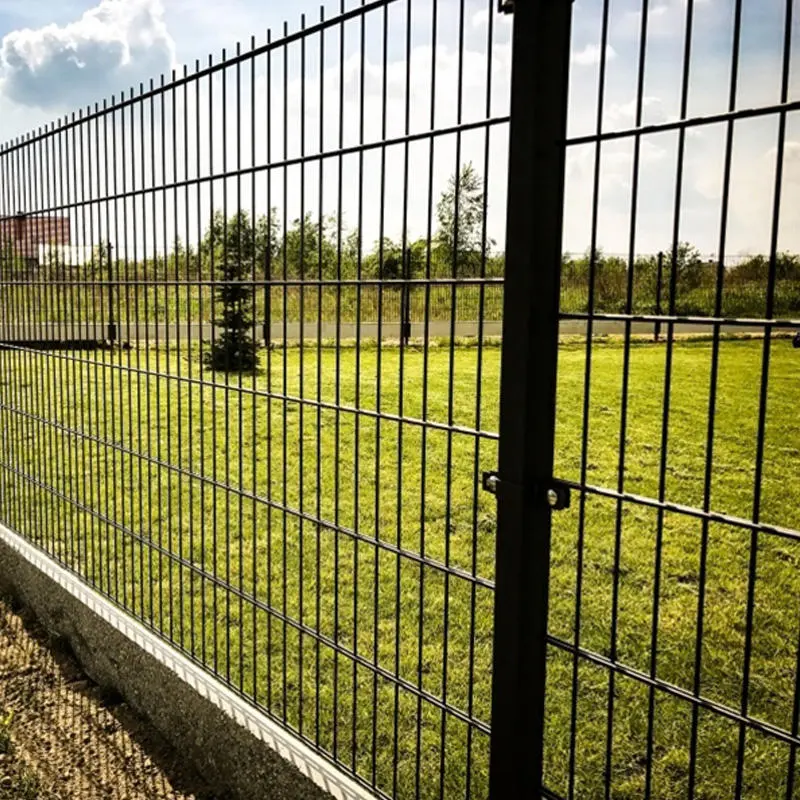
Why Double Wire Fences Are a More Secure Option for High-Security Areas?
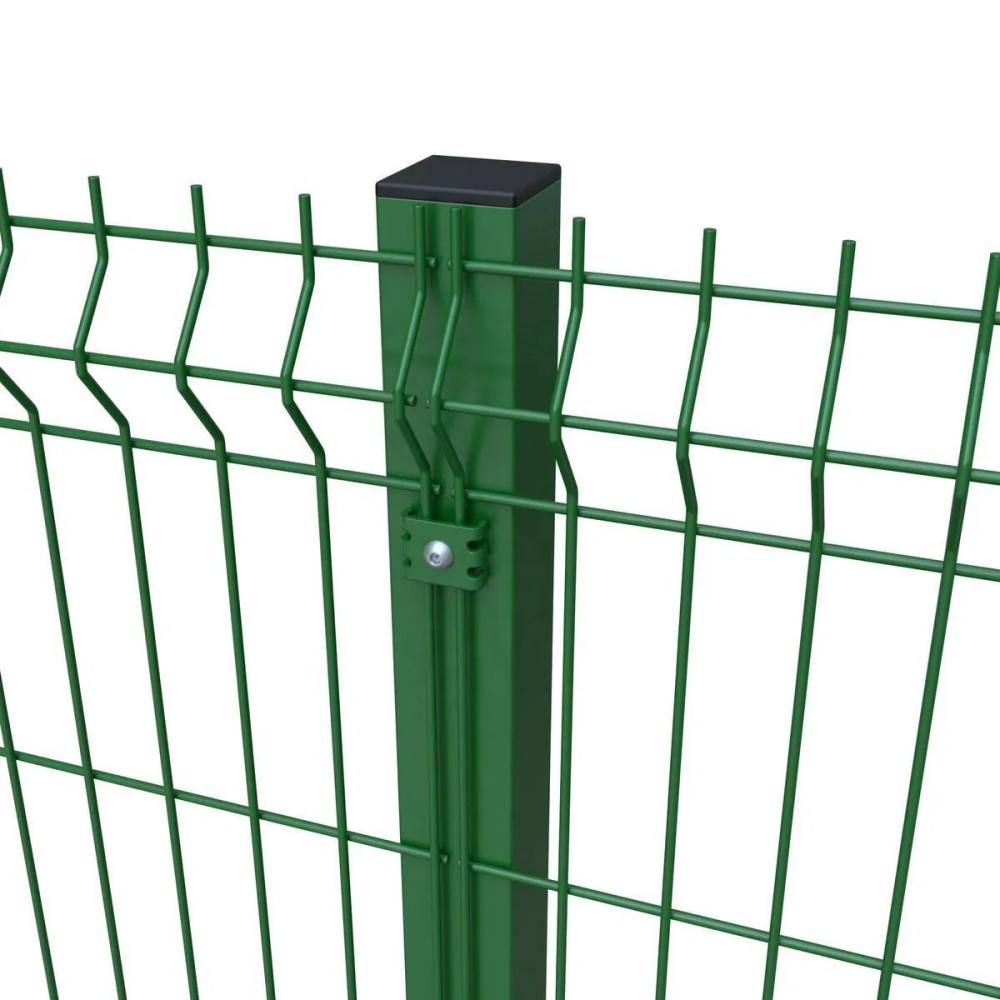
Due to their better structural integrity and resistance to breaching, double-wire fences are frequently used in applications that require a high level of data protection. These fences have a more durable mesh than single-wire fences because it is constructed with two horizontal wires that are welded on either side of vertical wires. This makes it more difficult to cut or manipulate by hand. As a result of this design, the fence is strengthened, and it becomes more difficult for intruders to gain a foothold or cut through it.
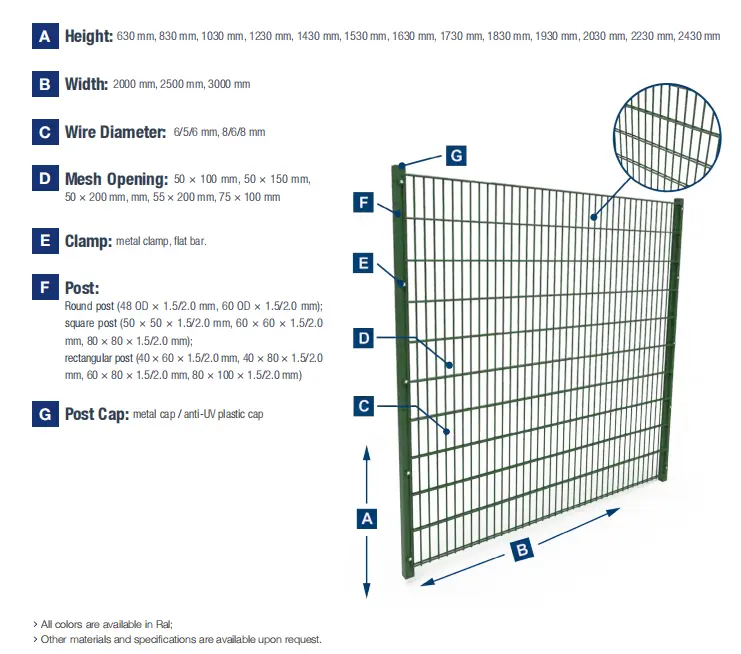
In order to provide an additional layer of protection, military installations, correctional facilities, and vital infrastructure sites require double-wire fences. Climbing with small finger and toe grips is discouraged by the tight mesh pattern, which typically has an aperture of between 6 and 8 millimeters. Despite the fact that chain link fences unravel when they are cut, the welded design ensures that the fence remains intact even if one of the wires is destroyed.
Advanced Security Features of Double Wire Fences
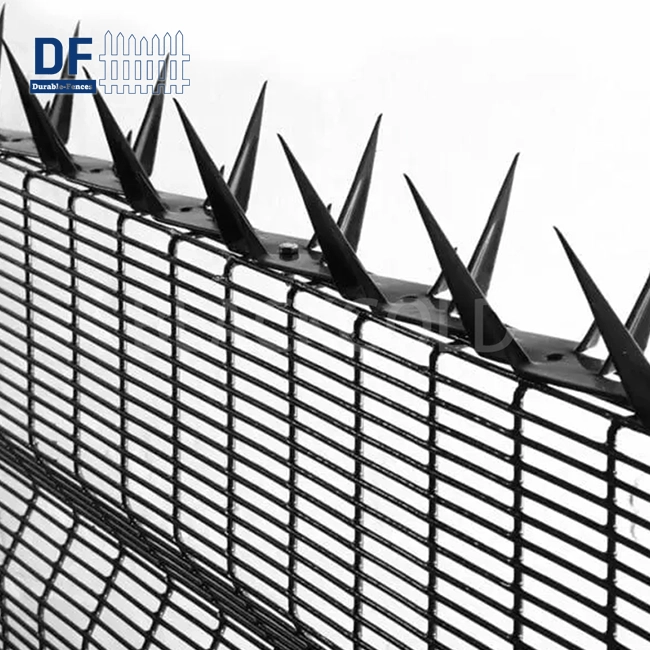
In order to meet the most stringent protection requirements, double-wire fences can be outfitted with additional security features. Anti-climb spikes or curled tips may be incorporated into these in order to discourage climbing, while underground foundations may be utilized in order to prevent tunneling. - The incorporation of electronic surveillance - The application of a high appearance powder coating in order to detect breaches The fact that double-wire fences may be modified to fulfill specific security requirements makes them an excellent choice for a wide variety of high-risk applications.
How Double Wire Fences Compare to Chain Link Fences in Terms of Durability?
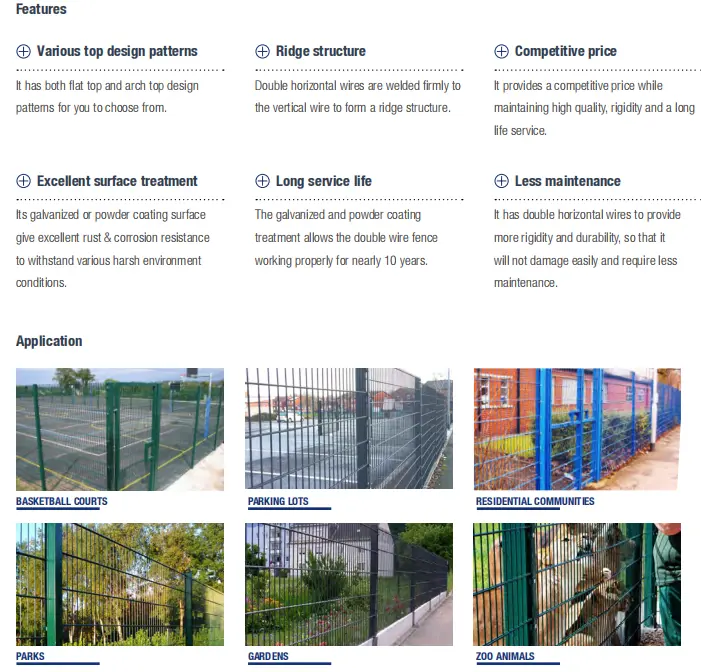
Chain link fences are not as durable as double-wire fences. Through the use of more durable wires and stronger welding points, double wire fences are able to endure harsh settings for a longer period of time. Because of their durability, Double Wire Fences are an economical and efficient long-term security option. This is because they lower the costs of maintenance and replacement.
Chain link fences are more susceptible to collisions, efforts to cut them, and weather circumstances such as strong winds and large snow loads, despite the fact that they continue to thrive in popularity. As time passes, the weaving of chain link causes it to sag and deform, which in turn reduces the defensive capabilities it possesses. The sturdy construction of double-wire fences allows them to keep their shape and tension throughout their lifespan, so ensuring that they continue to offer consistent protection.
Corrosion Resistance and Longevity
The longevity of double-wire fences is increased by the application of sophisticated corrosion prevention measures, particularly in severe environments. A typical manufacturing process includes the following steps: (1) Zinc protection through the use of hot-dip galvanization 2. Additional barrier protection with a covering made of rubber or polyethylene "galvanize first, then coat" technology provides a dual-layer protection system. It is possible for these treatments to safeguard double-wire fences for at least fifteen years, even in environments that are corrosive, such as industrial or coastal environments. When compared to standard chain link fences, which may require replacement or significant maintenance sooner, this lasts significantly longer.
What Makes Double Wire Fencing a Better Choice for Preventing Climbing and Breaching?
A number of design considerations contribute to the effectiveness of double-wire fencing, such as 868 Mesh Fencing, in deterring climbing and breaching. In order to create a panel with limited grasping points for climbers, the horizontal and vertical wires are closely spaced together. Intruders will have a more difficult time climbing the fence as a result of this design. In contrast to fencing materials that are more flexible, the rigidity of the panels hinders the formation of footholds when they are subjected to strain.
It is difficult for cutting equipment to navigate the dense mesh of double wire fences. Contrary to chain link fences, which can put a significant portion of the area in jeopardy, double-wire fences require a number of cuts in order to provide a passageway. A breach attempt will take more time and will have a greater chance of being discovered as a result of this.
Enhanced Anti-Tamper Properties
Due to the presence of anti-tamper bolts and unique mounting procedures, it is not feasible to disassemble or remove double wire fence panels without the necessary tools and authorization. Having this feature is beneficial in high-security installations, where the fence line must be able to maintain its integrity despite the presence of many breach scenarios.
Double Wire Fence vs Chain Link Fence: Which One Offers More Protection Against Intruders?
Double-wire fences are constantly superior to chain link fences when it comes to providing protection against intruders. Higher tensile strength and resistance to cutting
- Reduced climbing possibilities owing to smooth, flat surface
- Increased visibility for surveillance
- Greater stability and resistance to tampering
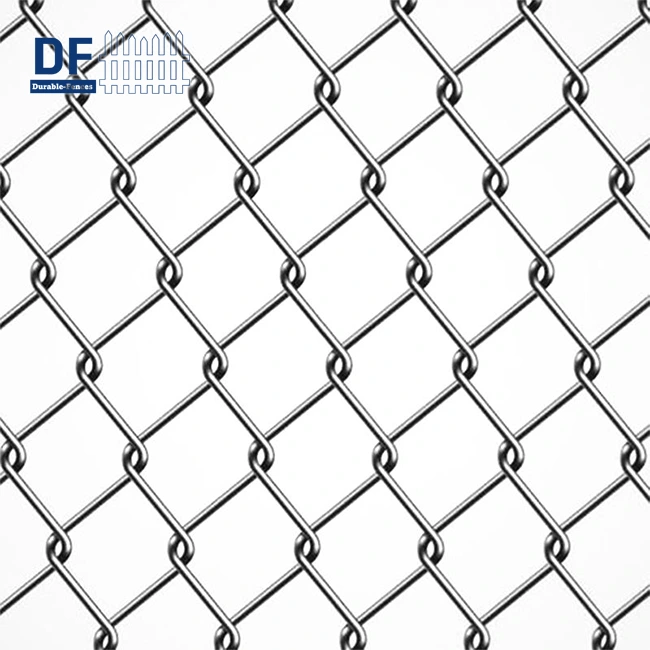
Chain link fences, while still deterrent, are easier cutting, climbing, or lifting than other types of fences. The diamond-shaped perforations that are found in chain links offer natural footholds, which makes it simpler for determined intruders to scale them.
Visual Deterrence and Psychological Impact
A double-wire fence not only provides a physical barrier, but it also serves as a visual deterrent. Intruders may be dissuaded from entering due to their frightening look and high-quality craftsmanship. When it comes to comprehensive safety, this psychological aspect of security is absolutely essential.
Choosing the Right Fencing: A Guide to Understanding the Security Benefits of Double Wire and Chain Link Fences
When selecting a fencing option, it is necessary to take into consideration the budget, the environmental conditions, and the level of security. It is crucial to have a thorough understanding of the benefits and drawbacks of both chain link fences and double wire fences before making a decision.
When it comes to preventing breaches in high-risk regions, double-wire fences are just incredible. The following are some of the applications that are ideal for their durability, resistance to cutting and climbing, and integration with advanced security systems: Protection of critical infrastructure, high-security government locations, industrial complexes and data centers, as well as educational institutions and schools that require additional safety measures Chain link fences, despite their lower level of security, can be beneficial for applications that involve a lesser level of risk or as a cost-effective option for vast perimeters when the primary objective is to indicate the boundaries of an area.
Considering Total Cost of Ownership
Consider the total cost of ownership over the fence's lifetime while making your selection. Although double-wire fences have a higher initial cost, they typically end up saving money over time due to their greater security, longevity, and reduced maintenance requirements. Take into account the following: Repair and replacement costs, continuing maintenance charges, liability costs associated with security breaches, and insurance premium reductions as a result of increased security are all factors that require consideration.
Conclusion
Contrary to chain-link fences, double wire fences offer superior protection, as demonstrated by the scientific evidence. Compared to chain link fencing, double wire fences are superior because of their sturdy construction, better security features, and exceptional durability. When it comes to perimeter protection, double-wire fences are an excellent investment for property owners, security professionals, and facility managers who place a high emphasis on safety and functionality. As the number of dangers increases and the criteria for security rise, double-wire fencing protects both persons and assets.
FAQ
1. How much more expensive are Double Wire Fences compared to chain link fences?
In many cases, the greater initial costs of double-wire fences are outweighed by the fact that they are long-lasting and require little maintenance. It is dependent on the installation and requirements that the price varies.
2. Can Double Wire Fences be installed on uneven terrain?
The installation of double-wire fences is possible even on uneven ground. Security throughout the perimeter can be maintained continuously through the use of specialized panels and installation techniques that cover a wide range of landscapes.
3. Are Double Wire Fences suitable for residential use?
Double-wire fences are designed for high-security applications, but they can also be used in residential situations to provide an additional layer of protection. Individuals who live in high-crime regions or homeowners who want enhanced perimeter protection are ideal candidates for these.
For Security Professionals and Property Managers: Enhance Your Perimeter Protection with Double Wire Fences
In addition to being a leading manufacturer and double wire fence supplier of double-wire fences, Shaanxi Durable-Fences Technology Co.,Ltd. also provides individualized security solutions. To ensure the highest level of protection for your property, our double wire fences are compliant with CE, ASTM F2453, and ISO 9001 standards. We provide comprehensive support, which includes everything from bespoke design to installation and maintenance. Improved perimeter security will provide you and your family peace of mind. If you would like to learn more about how our double wire fences solutions may enhance your safety, please contact us at info@durable-fences.com.
References
1. Smith, J. (2022). "Comparative Analysis of Perimeter Security Systems." Journal of Security Engineering, 15(3), 78-92.
2. Johnson, A. & Williams, R. (2021). "Advancements in Fence Technology for High-Security Applications." International Security Review, 29(2), 112-125.
3. Brown, M. (2023). "Cost-Benefit Analysis of Modern Fencing Solutions." Facility Management Quarterly, 18(1), 45-58.
4. Davis, L. et al. (2022). "Environmental Impact and Durability of Industrial Fencing Materials." Sustainable Construction Journal, 7(4), 201-215.
5. Wilson, T. (2021). "Psychological Deterrents in Physical Security Design." Journal of Applied Security Research, 16(2), 89-103.
6. Anderson, P. & Lee, S. (2023). "Integration of Electronic Surveillance with Physical Barriers." Smart Security Systems, 11(3), 156-170.






Get a Quote for Your Fencing Project Today