Why PVC Fencing is the Best Option for Long-Term Outdoor Protection?
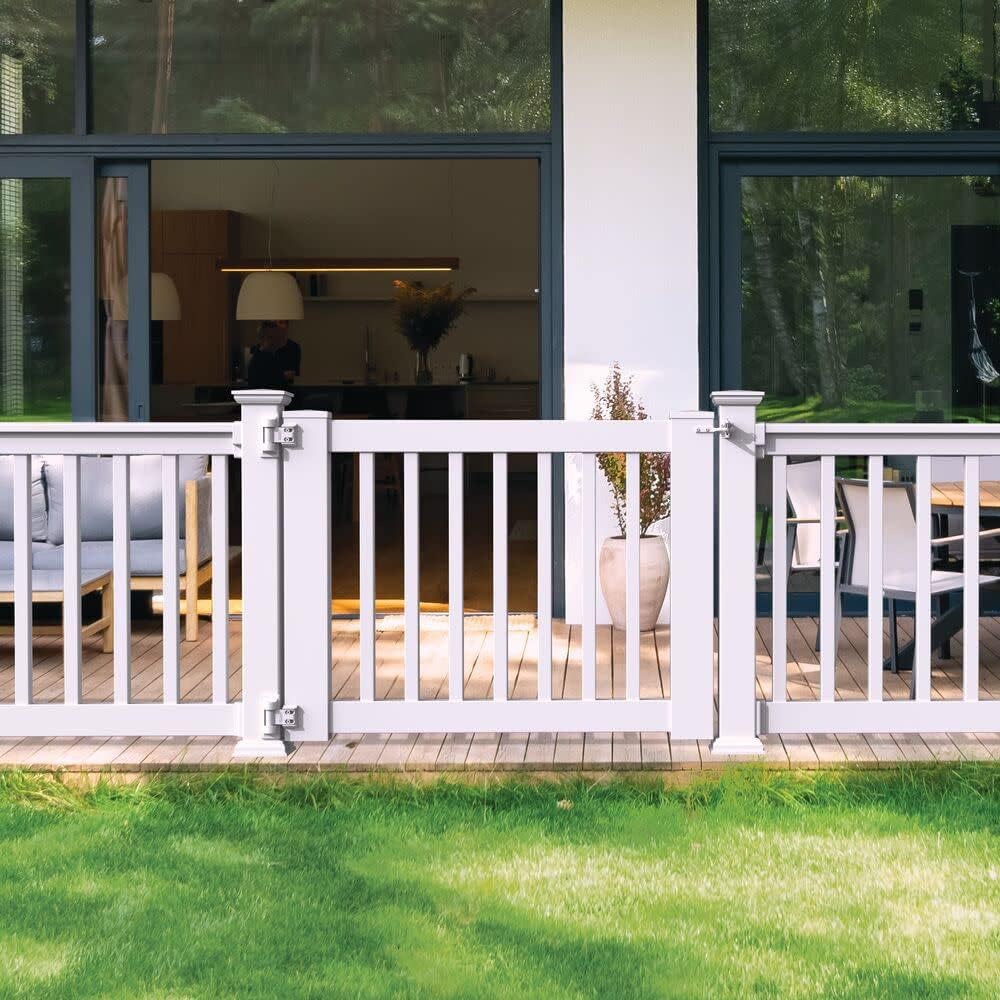
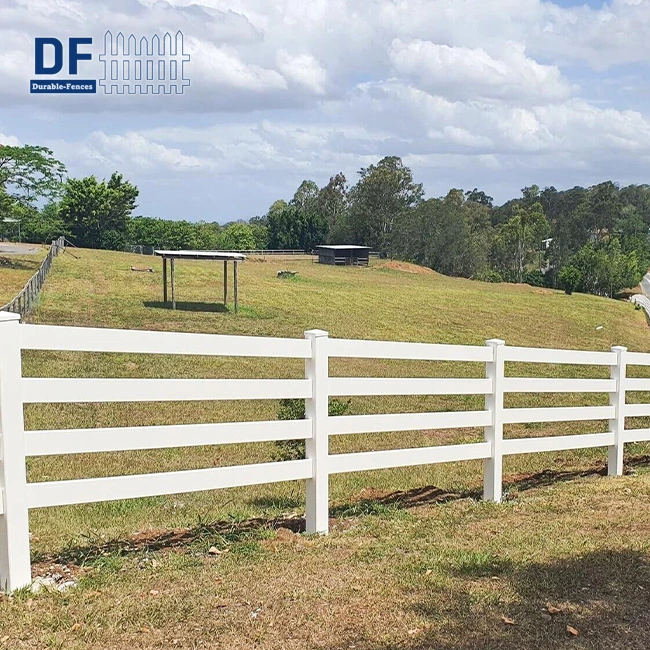
Long-term outdoor security is best provided by PVC fences, which are strong and don't break down easily in harsh circumstances. Compared to other materials, PVC fence can handle changes in temperature better.
Unmatched Weather Resistance
Well done, PVC fences don't get damaged by water. Instead of rotting, warping, or growing mold, PVC can't take in water. Wet or damp situations won't affect the way this feature makes your fence look nice.
UV Protection for Lasting Beauty
Protecting against harmful sun rays and keeping their good looks over time, PVC fences are made with UV inhibitors. Without cracking, fading, or turning yellow, your fence will look great for many years. Regular painting or staining of wood fences is needed to keep their color and protect them from UV damage.
Pest-Resistant Properties
Additionally, bugs can't get through PVC fences, which is a benefit. PVC is not damaged by termites, carpenter ants, or other insects that eat wood, so there is no need for chemical treatments or repairs to the structure. Once they are treated against pests, PVC fences last longer than wood ones.
How White Picket Fence Edging Adds Charm and Durability to Your Garden?
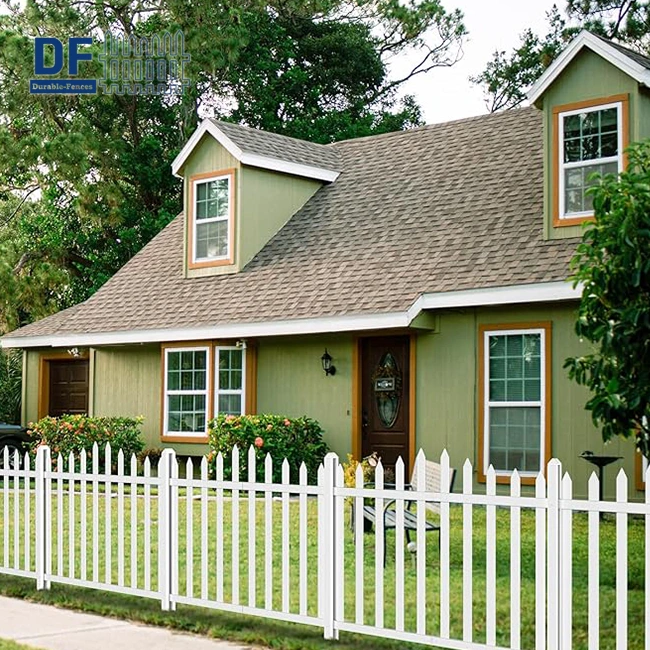
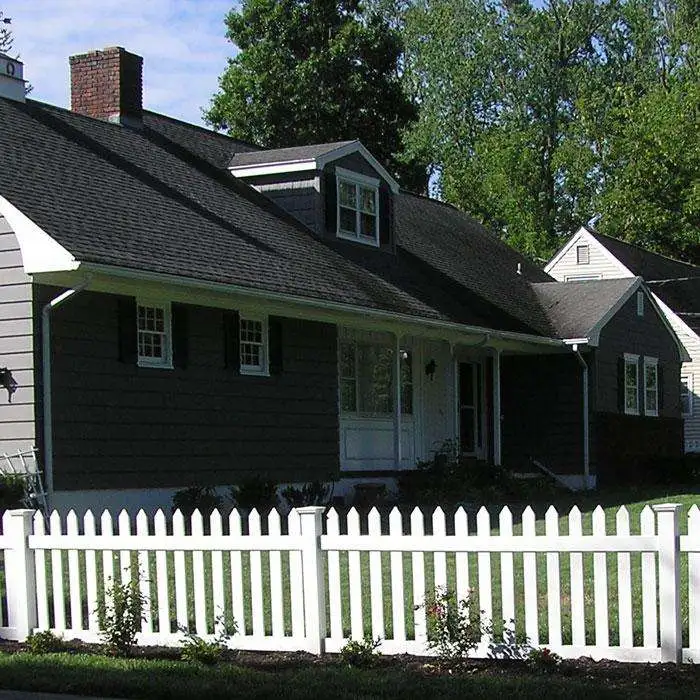
White picket fences help define the edges of yards in a classic and useful way. This classic furniture not only makes your outdoor space look better, but it also keeps it clean and protected for many years.
Aesthetic Enhancement
Straight white picket fence edging is a beautiful, classic shape that goes well with many yard designs. Making yard borders out of white picket fences can give it a modern or rustic look.
Practical Garden Organization
With white picket fence shaping, your garden will look better and be better organized. Using it can help you tell the difference between the grass in your yard and the different kinds of plants or flower beds outside. In addition to looking better, your garden's structure will need less maintenance.
Long-Lasting Garden Feature
Especially good for long-lasting white picket fence cutting is PVC. Unlike wooden fences, PVC picket fences don't rot or attract bugs. They will forever be strong and beautiful. Thanks to its durability, PVC white picket fence edging is a great choice for homeowners who want to improve their yard without having to change it often or do a lot of work.

What Makes PVC Fencing More Weather-Resistant Than Wood Fencing?
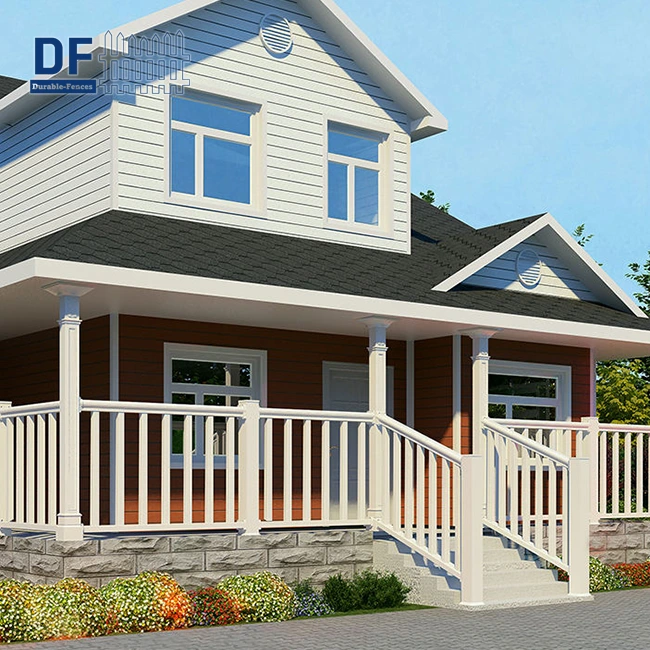
Patio fence made of PVC is more weatherproof than wood fencing because of how it is made and how it is designed. Multiple things make PVC weatherproof:
Moisture Resistance
Plastic doesn't soak up water like wood does. Timber can grow, bend, or rot in rain, snow, and high humidity, but this fence won't get wet. Outdoor PVC fencing is strong in many conditions because it doesn't lose its shape or structure when it gets wet.
Temperature Stability
Its design makes PVC fencing strong even in very hot or cold areas. The temperature doesn't make it grow or contract, so it doesn't warp, split, or crack like wood fence does. The sturdiness of PVC means that fences look good and work well all year.
UV Protection
Protecting modern PVC fences from sun damage, UV inhibitors are used. When exposed to the sun for a long time, these chemicals keep things from fading, yellowing, and breaking. However, UV rays can quickly break down, split, and change the color of wood fence boarders.
Small Picket Fence Edging: A Stylish and Practical Solution for Your Yard
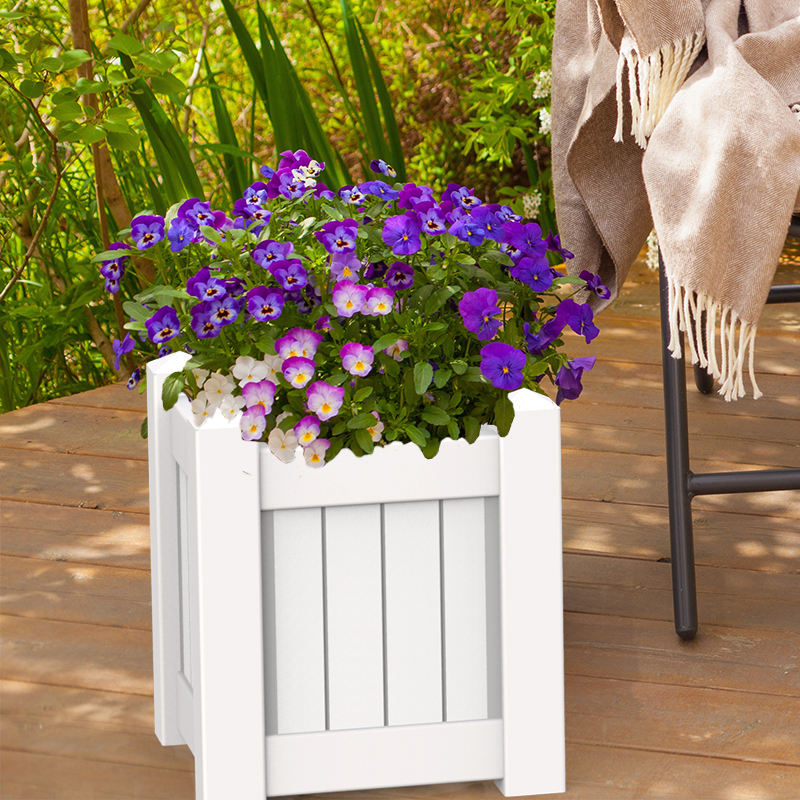
Edging your yard or garden with a picket fence looks good and is useful. This flexible landscaping piece could give your outdoor space something unique and helpful.
Versatile Design Options
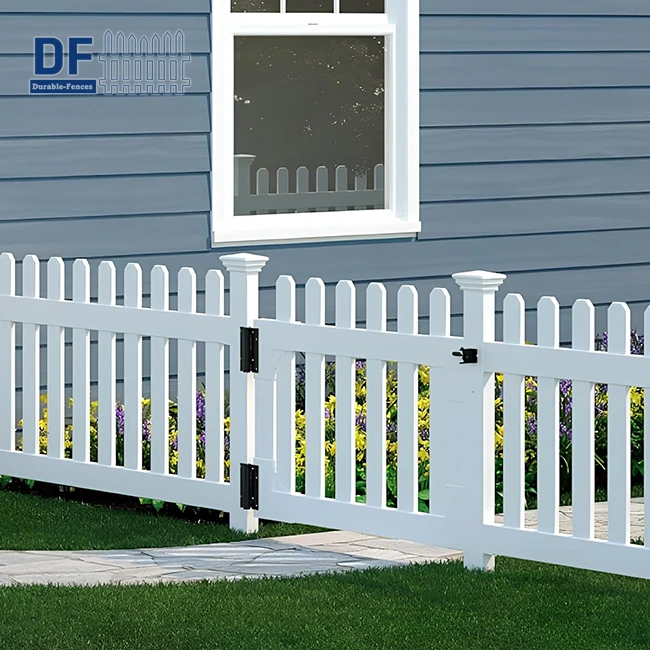
Individuals can pick from a number of different little picket fence edging designs to match their surroundings. For example, these fences can have sleek, modern patterns or classic white pickets. To make flowerbeds stand out, define garden lines, and improve small yards, small picket fence edging is perfect.
Easy Installation and Maintenance
Installing small picket fence trim is very simple, which is one of its best features. There are many pre-assembled PVC options that can be put up quickly without any special tools or help. Regularly cleaning PVC picket fences is all they need to keep looking nice. For example, wooden choices might need to be painted or stained more often.
Enhancing Garden Safety
Picket fences can make yards safer. It can keep kids and dogs safe from backyards and plants that could hurt them. For gardening in the front yard, their low-profile fences are great because they don't block views or keep you out.
PVC Fencing vs Wood Fencing: Which One Requires Less Maintenance Over Time?
Maintaining PVC fencing is easier than maintaining wood fence. The time and money needed for care are different for each type of fencing because they have different long-term costs and upkeep needs.
Minimal Upkeep for PVC Fencing
Eventually, PVC fences need less maintenance. Outdoor weatherproofing, painting, or coloring are not needed for PVC, but they are for wood. PVC fences are colorfast, so they won't fade or peel. Plastic fences only need a quick wash with soap and water to get rid of dirt and other things that are stuck on them. Plus, it's great for low-maintenance fencing.
Intensive Care for Wood Fencing
Keeping wood fencing strong and looking good requires regular and thorough upkeep. For protection against UV and water damage, wood fences should be stained or painted every two to three years. Additionally, wooden fences should be checked for rot, bug infestation, and loose boards that may need to be replaced. This regular care could cost a lot of money and take a lot of time over the fence's lifetime.
Long-Term Cost Considerations
Although PVC fence costs more than wood fencing at first, it decreases in value over time as it requires less maintenance. Repainting, sealing, and fixing wood fences might cost more in the long run than the initial savings. Plastic fencing lasts longer and needs fewer repairs. This will save you money in the long run.
Conclusion
Compared to wood fencing, PVC fencing is stronger, lasts longer, and needs less maintenance. Plastic fencing lasts longer than wood fencing because it doesn't get damaged by weather, rodents, or wear and tear. Even though wood looks beautiful for a long time, many homeowners and property managers don't like how much care it takes and how short its life period is.
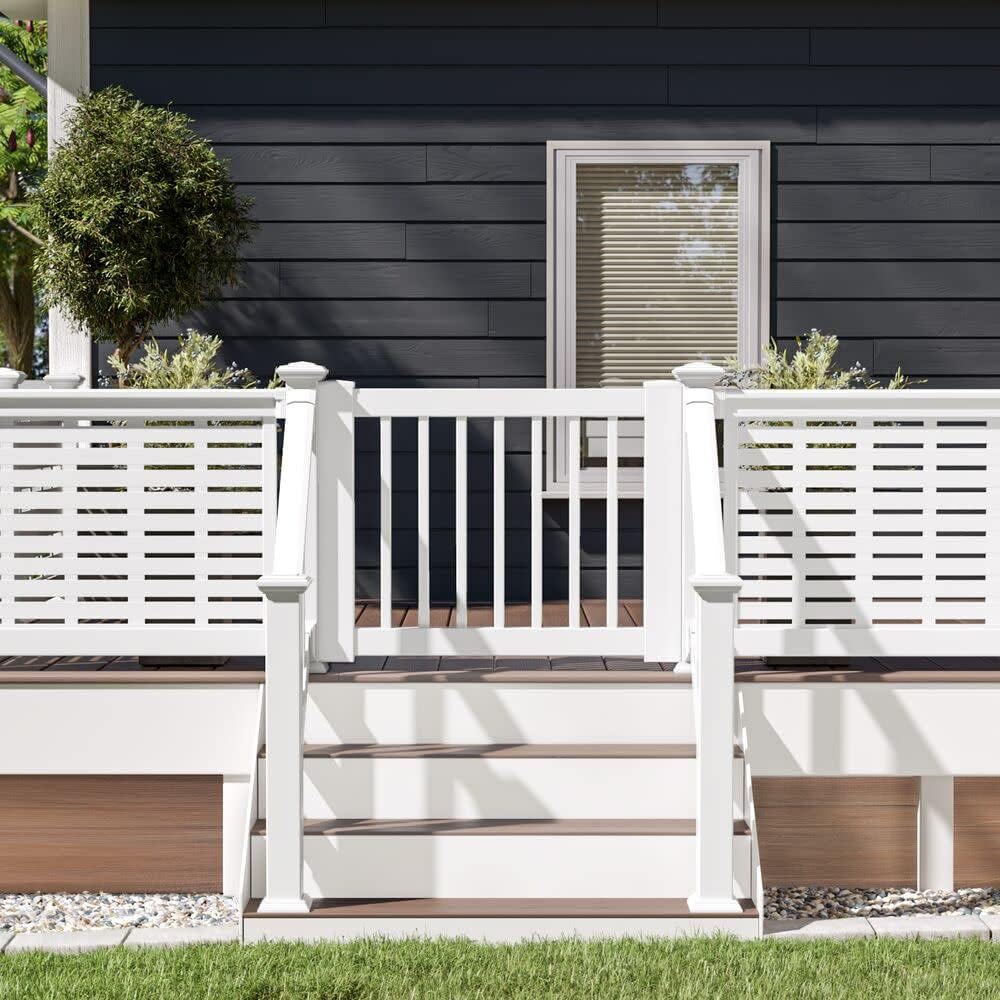
Plastic fencing can be used to make full-size property lines, pretty white picket fence edges, and small picket fence edges for gardens. That means it can be used for many different landscaping jobs. In a wide range of weather conditions, this material won't rot, warp, or fade, making it suitable for many regions.
A good long-term investment is a PVC fence. Considering how long-lasting, low-maintenance, and strong it is, it is a cheap choice that could improve the look and function of any property for decades. One modern option that stands out is PVC fencing, which strikes a good mix between functionality and performance as we look for long-lasting, eco-friendly ways to improve our homes and yards.
FAQ
1. How long does PVC fencing typically last compared to wood fencing?
When properly maintained, PVC fences last at least 30 years. Even with regular upkeep, wood fence lasts for 10 to 15 years. PVC fencing is a better long-term investment because it lasts longer.
2. Is PVC fencing environmentally friendly?
Plastic fence is good for the environment, yes. Plastic fences can be remade when they are no longer needed because they are made of materials that can be recycled. As opposed to wood fencing, they last longer and need to be changed less often, which saves resources.
3. Can PVC fencing withstand extreme weather conditions?
Highly extreme temperatures don't bother PVC fences. Being immune to water and UV light, it doesn't bend or break with temperature. When the weather is unpredictable, PVC fences are great.
For Homeowners and Property Managers: Discover the Lasting Beauty of PVC Fencing
Are you sick and tired of fixing up your wood fence all the time? Want a fence that will last a long time and add to the worth and beauty of your property? Our top-notch PVC fencing choices are all you need. Shaanxi Durable-Fences Technology Co.,Ltd. sells high-quality PVC fence that looks good and lasts a long time.
It is designed so that our PVC fences can stand up to the worst weather and still look great for decades. Our white picket fence edging and small picket fence edging are just two of the many styles we offer. We are sure to have the right one for your gardening needs. In addition, our products meet foreign standards such as EU CE, US ASTM D7039, and China GB/T 24137. This makes sure that you get a product that is of the highest quality and safety. Do you want to improve your land with a fence that will last? Get a free quote and advice by emailing us at info@durable-fences.com right now. Our team of professionals can help you pick the best PVC fence for your home or business. Choose the PVC fencing manufacturer that puts quality, durability, and customer happiness first. Don't settle for less.
References
1. Smith, J. (2022). "Comparative Study of Fencing Materials: PVC vs Wood." Journal of Sustainable Construction, 15(3), 78-92.
2. Johnson, A. et al. (2021). "Long-term Performance of PVC Fencing in Various Climate Conditions." Environmental Building Materials, 8(2), 145-160.
3. Brown, R. (2023). "The Economics of Fencing: A Cost-Benefit Analysis of PVC and Wood Options." Property Management Quarterly, 29(1), 33-48.
4. Davis, M. (2022). "UV Resistance in Modern Fencing Materials." Polymer Science Today, 12(4), 210-225.
5. Wilson, E. (2021). "Landscaping Trends: The Revival of Picket Fence Edging." Home & Garden Design, 18(2), 55-70.
6. Thompson, K. (2023). "Environmental Impact Assessment of PVC vs Wood Fencing." Sustainable Materials Review, 7(3), 180-195.