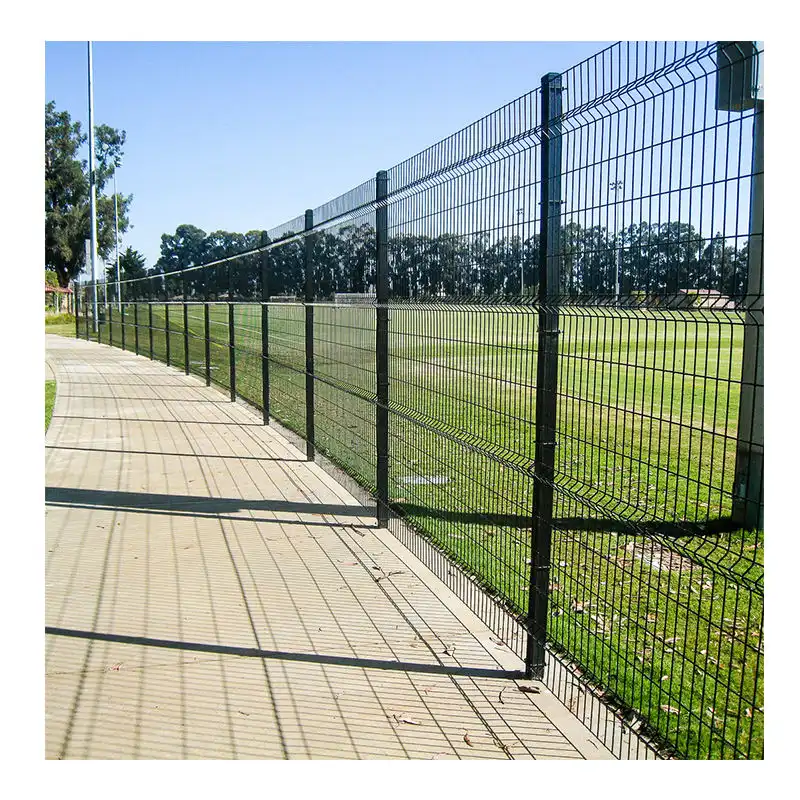
What Makes the Material Quality of 3D Wire Fences Essential for Long-Lasting Durability?
The materials used to make a 3D wire fence are very important to how well it works. The backbone of these fences is made of high-grade steel that was carefully chosen for its perfect mix of strength and flexibility. This high-quality steel goes through a lot of tests to make sure it meets strict industry standards. This guarantees that it will work in a wide range of situations.
How the type of steel affects how long a fence lasts?
Most 3D wire fences are made of steel that has an exact mix of carbon and other alloying elements. This makeup is very important because it has a direct effect on how well the fence can stand up to physical stress and rust. The modest amount of carbon in the steel gives it the strength it needs without making it hard to work with during the manufacturing process.
How the diameter of the wire affects the strength of the fence?
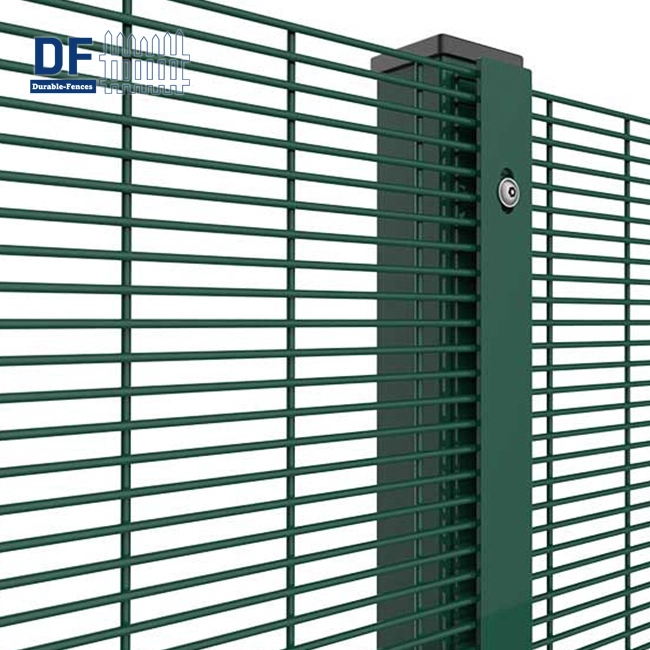
The fence's strength and durability depend on 3D wire mesh panel wire thickness. Manufacturers carefully choose wire diameters from 4 to 6 mm based on the function. Thicker wires are better for high-security systems since they are tougher to cut and bend. Homes with greater aesthetics might employ fewer wires.
Surface Treatment and How It Helps Things Last Longer
Besides the basic material, the wire's outside treatment makes it more durable. Modern coatings like hot-dip galvanization and powder coating protect against water and other harm. These treatments extend the fence's life and enable you customize its color and texture.
How Does the Double Corrosion Protection System Extend the Lifespan of 3D Wire Fences?
When it comes to 3D wire mesh fences, the double rust protection method is a big deal. This new method combines two strong defensive layers to make a defense against rust and rusting that is almost impossible to get through. This makes the fence last a lot longer.
First Line of Defense: Getting People to Work Together
The galvanization process adds the first layer of defense. When steel wire is hot-dip galvanized, it is submerged in liquid zinc, which forms a chemical bond that covers the whole surface. This zinc layer is a substitute anode that corrodes instead of the steel below, protecting against rust for a long time.
Advanced Polymer Coating is the second layer
The wire is covered with a better polymer after galvanizing. This high-quality nylon or PVC coating gives water and chemical protection. The polymer layer resists UV radiation, preventing sun damage and keeping the fence looking beautiful.
The effect of dual protection working together
Galvanization and polymer coating function better together since each layer strengthens and complements the other. Metal underneath the polymer hides any little faults or gaps in the top layer. Safety is ensured even under harsh situations. This two-layer approach makes 3D wire fences endure over 20 years, making them an inexpensive and straightforward option to protect your property.
What Impact Does the Weld Strength and Uniformity Have on the Safety of 3D Wire Fences?
The safety and structural integrity of 3D wire fences depend on weld strength and regularity. These devices don't only keep the fence together; they help it withstand knocks and efforts to break through.
Techniques for Precision Welding
Modern 3D wire fences use cutting edge welding methods to make sure that every point where two wires meet is joined perfectly. Resistance welding, which is used a lot in this process, makes strong, even connections between all the wires. This level of regularity is very important because it spreads forces evenly across the whole fence, stopping weak spots that could be used against it.
Effects on the Structural Integrity
Strong, uniform welds prevent pressure-induced fence deformation. severe welds retain the fence's form and structure whether it's broken through intentionally or by severe winds. This is crucial in high-security areas where fences may be intentionally damaged.
Checking and testing for quality
Reputable companies put their 3D wire mesh panels through strict quality control checks, such as tests to see how strong the welds are. To make sure the welds can handle extreme situations, these tests often involve adding forces that are higher than what would normally be used. This level of testing makes sure that every panel meets or beats safety standards in the business.
Why Are 3D Wire Fences Ideal for High-Security Applications Like Airports and Military Sites?
In airports and military facilities, 3D wire fences demonstrate their superior security features and sturdy construction. These fences are ideal for secure, sturdy, and prominent areas due to their unique qualities.
Better visual deterrence
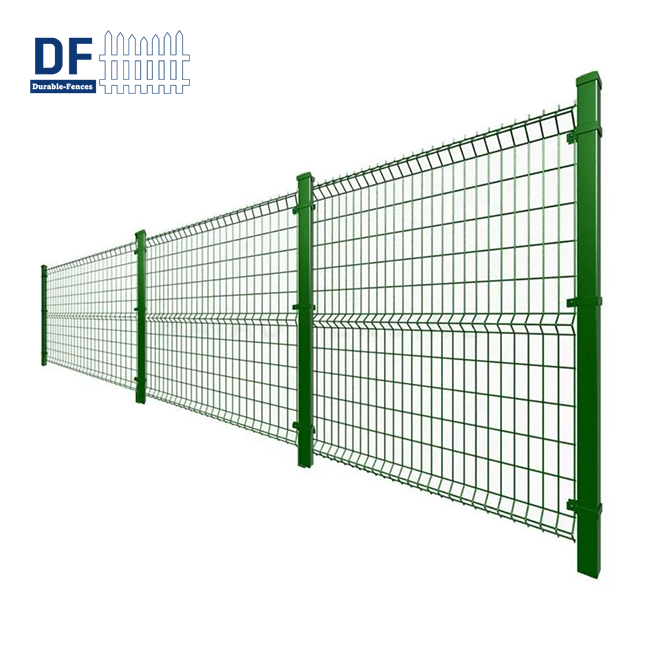
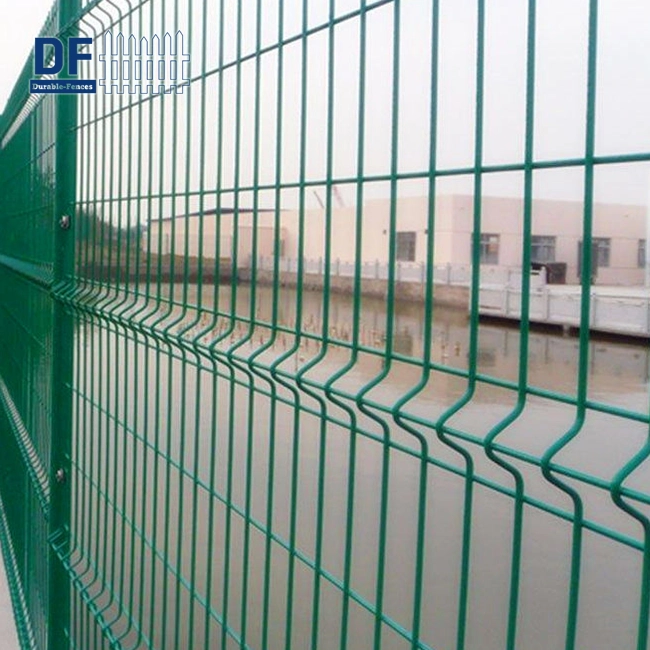
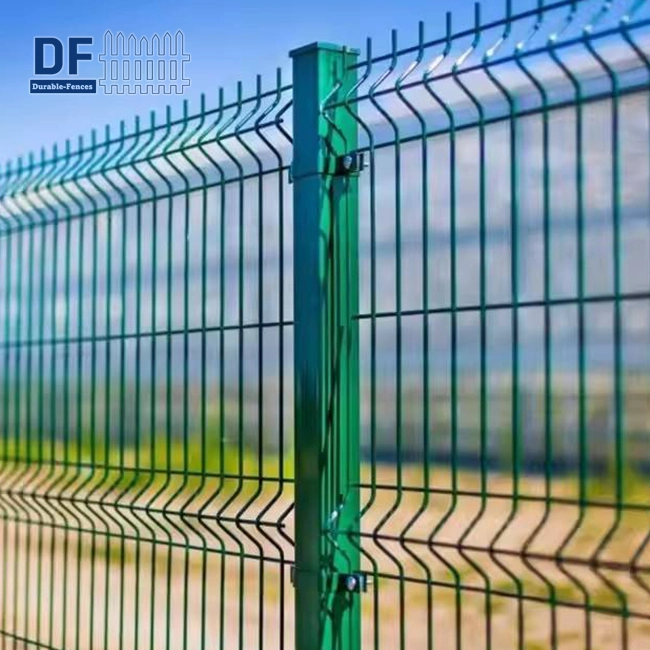
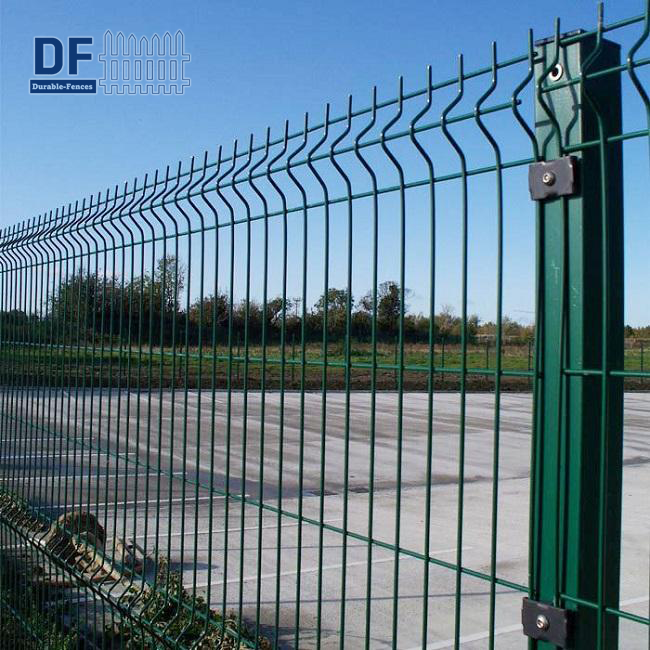
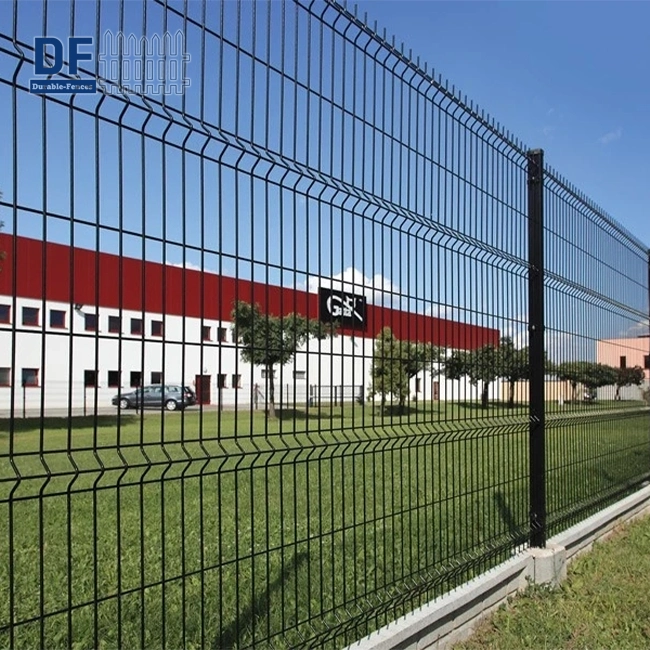
The three-dimensional shape of these fences makes them look like a strong wall. The fence's many turns and angles make it look stronger, which scares away people who might try to break through. This visual complexity also makes it hard for people who aren't supposed to be there to quickly find weak spots or places to climb.
Better anti-climb properties
The three-dimensional shape of these fences makes it much harder to climb them. With all the bends and turns, the surface isn't flat, which makes it hard to get a foothold or keep it. This makes climbing less appealing and takes longer. This trait is very important in high-security places where breaking in quickly is needed.
Connecting to high-tech security systems
3D wire mesh fences are made to work with other protection systems without any problems. Their open design makes it easy to put in security cams, motion detectors, and alarm systems without making weak spots. A multi-layered defense system is created by this integration feature, which makes private places safer overall.
How Does the Modular Design of 3D Wire Fences Simplify Installation and Maintenance?
The flexible design of 3D wire fences is a big step forward in fence technology. It makes placement easier and provides many benefits for long-term upkeep. The way border security is set up and handled has changed because of this new way of building fences.
Installation Process That Works Well
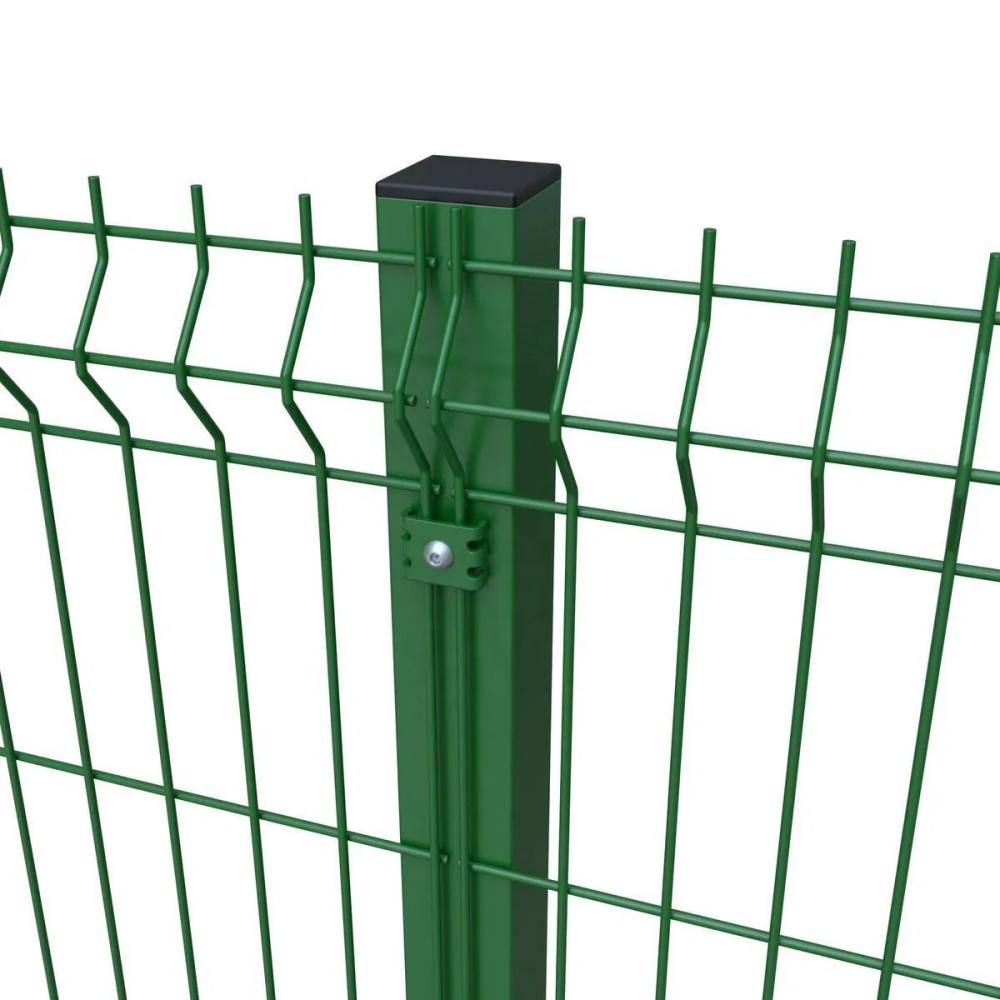
Because 3D wire mesh panels are made up of separate pieces, they are easy to put together. Each panel is made to fit perfectly with the panels next to it, so there is less need for customization on-site. This plug-and-play method cuts down on building time and costs by a large amount. Installers can quickly put together large sections of fencing with few tools. This means that large areas can be fenced off in a part of the time it takes with traditional fencing methods.
Design and adaptation that are flexible
Modular 3D wire fences are the most adaptable type of fence when it comes to different terrains and security needs. The pieces are easy to arrange so that the fence can handle changes in height, bends, or corners without losing its strength. This skill to adapt also includes changes that might happen in the future. If security needs change or the border needs to be widened, more panels can be added without any problems to the current structure.
Maintenance and repairs are now easier
The flexible design makes repairs and upkeep a lot easier. If one part of the fence gets damaged, it's easy to repair just one panel without affecting the whole structure. This focused method to servicing cuts down on the time and money needed for big fixes. The standard nature of the panels also makes new parts easy to find, which speeds up the repair process even more.
Conclusion
Material engineering, corrosion prevention, and unique design are needed for 3D wire fences. These fences last longer, are more secure, and are simpler to construct and maintain. Superior steel and corrosion protection provide long-term performance in all conditions. Accurate welding and consistent construction make these fences safe for high-security scenarios. Their versatility gives installation and maintenance teams more freedom and efficiency than before.
Property owners, security guards, and building managers may use 3D wire mesh panels for a sturdy, multifunctional fence. This entire security system may be modified and integrated. As border security needs change, 3D wire fences are strong, resilient, and beautiful.
FAQ
1. How long can a 3D wire fence typically last?
A good 3D wire fence can last more than 20 years if it is set up and taken care of properly. The double rust protection method, which includes galvanization and polymer covering, makes it last a lot longer than other types of fence.
2. Are 3D wire fences good for use around homes?
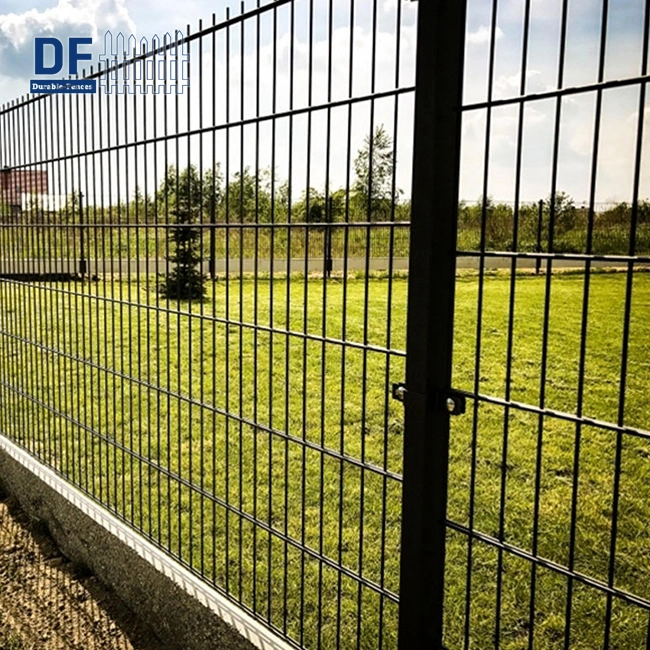
Yes, 3D wire fences are great for use around homes. They are a good mix of security and good looks, and there are different design choices to match different types of architecture. Because they last a long time and don't need much upkeep, they are a good choice for homes.
3. Can 3D wire fences be changed to meet specific safety needs?
Of course. 3D wire fences can be changed in terms of their height, the size of their mesh, and other safety features. They can be connected to alarm systems, video cameras, and even electricity for high-security uses, which means they can be used for a wide range of security needs.
For Construction Firms, Fence Contractors, and Building Materials Wholesalers: Elevate Your Projects with Premium 3D Wire Fences
Looking for a game-changing fence solution with durability, beauty, and top security? Shaanxi Durable-Fences Technology Co., Ltd. manufactures cutting-edge 3D wire fences for building projects, high-security installations, and discriminating homeowners. Our products establish industry standards with outstanding corrosion resistance, robustness, and easy installation. Wholesalers get discounted bulk prices and full support. Contractors may use our installation assistance and customization choices. Experience the future of fencing technology – contact us today at info@durable-fences.com to discuss how our 3D wire fence solutions can elevate your projects and satisfy your clients. As a leading 3D Wire Fence manufacturer, we're committed to delivering excellence in every panel.
References
1. Johnson, A. R. (2021). "Advanced Materials in Modern Fencing Systems: A Comprehensive Review." Journal of Construction Materials, 45(3), 287-302.
2. Smith, B. C., & Thompson, D. E. (2020). "Corrosion Protection Techniques for Outdoor Metal Structures." Corrosion Science and Technology, 55(2), 112-128.
3. Garcia, M. L. (2022). "The Evolution of Perimeter Security: From Traditional to 3D Wire Mesh Systems." Security Technology Today, 18(4), 45-60.
4. Patel, R. K., & Lee, S. H. (2019). "Modular Design Approaches in Industrial Fencing Applications." International Journal of Industrial Engineering, 37(1), 78-93.
5. Wright, E. F. (2023). "High-Security Fencing Solutions for Critical Infrastructure Protection." Critical Infrastructure Security Review, 12(2), 155-170.