2026 Buyer’s Guide: The Rot-Proof Garden Fencing for Your Garden Beds
In 2026, garden fencing will have come a long way, and rot-proof choices are here that will make your garden beds last longer and look great. The hybrid garden fence is one idea that is really helpful for home owners and gardeners. This guide has all the information you need to choose the best rot-proof fence, like WPC Garden Fence(composite garden fence), for your flower beds that will last a long time. It will go over why wood fencing doesn't work well, look at different fence materials, and talk about the good and bad things about each one.
Why does conventional wood fail when it's near dirt and water?
For hundreds of years, gardens have used wood fence, but it often breaks down early because it isn't protected from dirt and wetness. To understand the benefits of new options like WPC fence, it is important to know why wood does not work in these situations.
How Wood Breaks Down
Because wood is made of living materials, it can start to break down in different ways when it gets wet or is in the ground. The main things that cause wood to break in gardens are
1. Fungal Growth: Fungi like to grow in places that are very wet. The things that these creatures eat are cellulose and lignin, which they find in wood. Eating these compounds makes the wood weaker and causes it to rot.
2. Insect Infestation: Termites and other insects that dig into wood are drawn to it when it is wet. This makes the wood break down faster.
3. Absorbing Moisture: Wood can collect water because it is porous. The wood can grow, change shape, and break when it dries.
4. Earth Contact: When wood is touching the ground, it is always exposed to germs and moisture, which makes it rot faster.
The Effect of Environmental Conditions
Because garden fence is always exposed to the weather, it has to deal with a certain set of problems:
1. Changing Temperatures: When the temperature changes, wood fence can get holes and cracks from expanding and contracting.
2. UV Radiation: Over time, sunlight breaks down the strands in wood, changing its color and damaging its surface.
3. Freeze-Thaw Cycles: In places where it gets cold, water that is held in wood can freeze and expand, which makes cracks and splits.
Because of these things, old-fashioned wood fencing usually only lasts for 5 to 10 years before it needs to be replaced, especially in areas or places where there is a lot of wetness or harsh weather.


WPC vs. Wood, Vinyl & Metal: Material Breakdown
When it comes to choosing the right material for your garden fencing, it's essential to understand the pros and cons of each option. Let's break down the characteristics of WPC, wood, vinyl, and metal fencing to help you make an informed decision for your garden beds.
WPC Fencing: The Modern Solution
Engineers designed WPC Garden Fences to get around the problems that occur with using standard materials. They are usually made of a mix of reclaimed wood fibers and plastic, which gives you the best of both worlds:
Pros:
- Very strong and resistant to decay, bugs, and moisture
- Needs little care
- A good choice for the environment, frequently created from recycled materials
- Comes in a range of hues and textures that look like real wood
- Lasts a long time, frequently more than 25 years
Disadvantages:
- Costs more at first than wood
- Can fade a little with time, but not as much as wood
Traditional Wood Fencing: The Classic Choice
Wood fence has been the most popular choice for hundreds of years since it is beautiful and can be used in many ways:
Pros:
- Looks good in a natural way
- Initial cost is not too high
- Simple to paint and change
Cons:
- Can decay, get bugs, and be damaged by moisture
- Needs frequent upkeep (staining, sealing, and fixing)
- Shorter life duration, particularly under tough conditions
Vinyl Fencing: The Low-Maintenance Alternative
Vinyl fence is becoming more popular since it lasts a long time and doesn't need much care:
Pros:
- Insects and dampness can't get through it
- Simple to keep clean and in good shape
- Comes in a range of designs and colors
Cons:
- Can break easily in really cold weather
- Could seem fake next to wood or wpc
- Not as many color choices as painted wood or wpc
Metal Fencing: The Sturdy Option
Metal fencing, including aluminum and steel, offers strength and longevity:
Pros:
- Extremely durable and long-lasting
- Resistant to pests and rot
- Low maintenance requirements
Cons:
- Can be expensive, especially for high-quality options
- May rust if not properly treated or maintained
- Limited design options compared to other materials
When comparing these materials, wpc fencing emerges as a superior choice for garden beds due to its combination of durability, low maintenance, and aesthetic appeal. Its resistance to rot and moisture makes it particularly well-suited for the challenges faced by garden fencing.
Choosing Styles That Complement Your Plants & Landscape
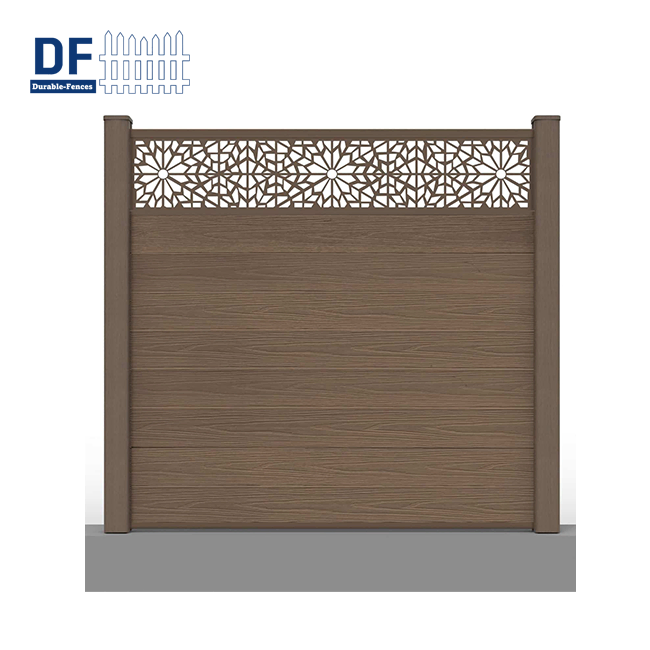
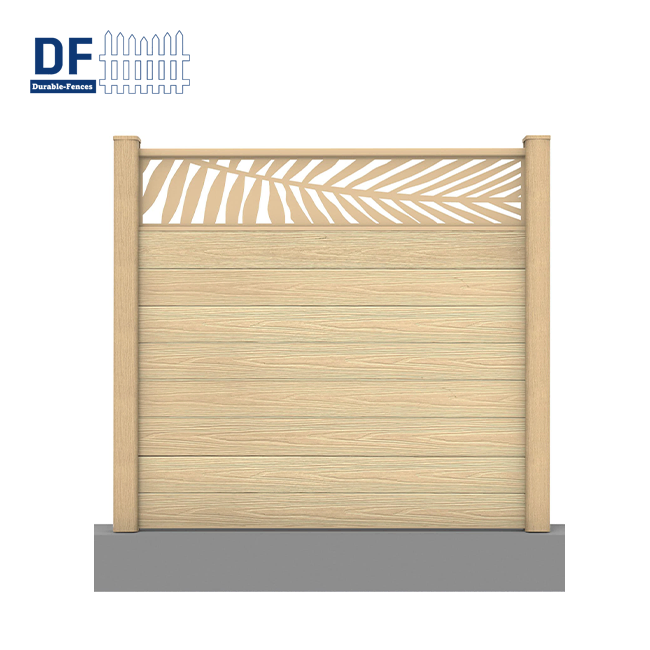
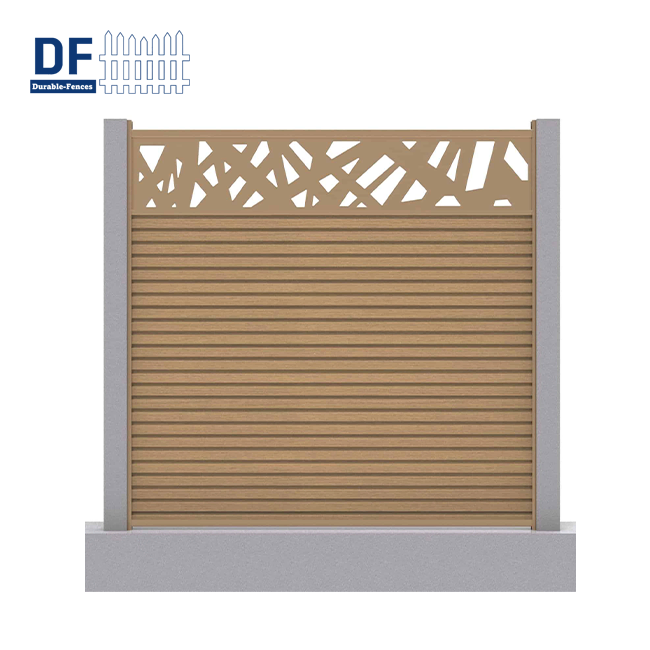
Choosing the right kind of WPC Garden Fence is important not just for how it works, but also for how it looks with your yard as a whole. The fence should go well with your plants and yard, making the whole outdoor space look finished and nice. When picking a style for your wpc fence, take a look at these things:
Color Matching
WPC fence is available in a lot of different colors, including bright ones and natural wood tones. When picking a color, think about this:
- Fit in with what's already there: Pick a color that looks good with your home's outside and other parts of the yard.
- Plants: Choose a color for your fence that looks good against your plants. For instance, a dark fence can make green leaves and bright flowers stand out more.
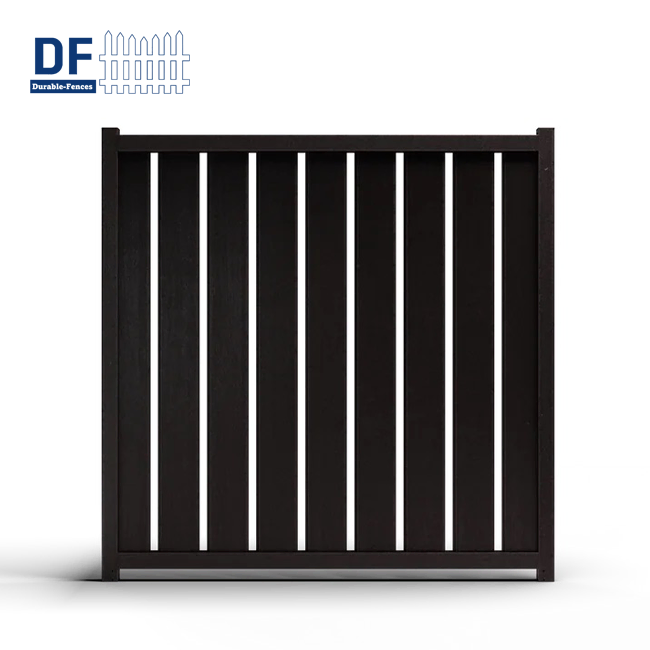
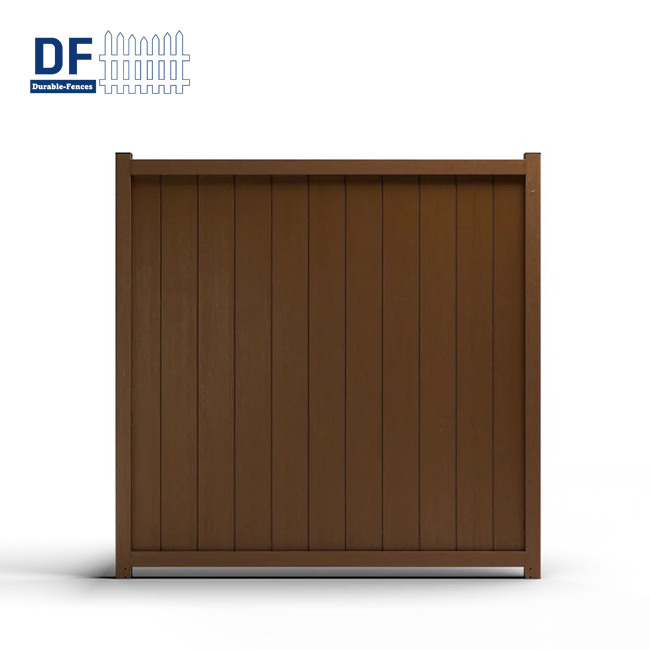
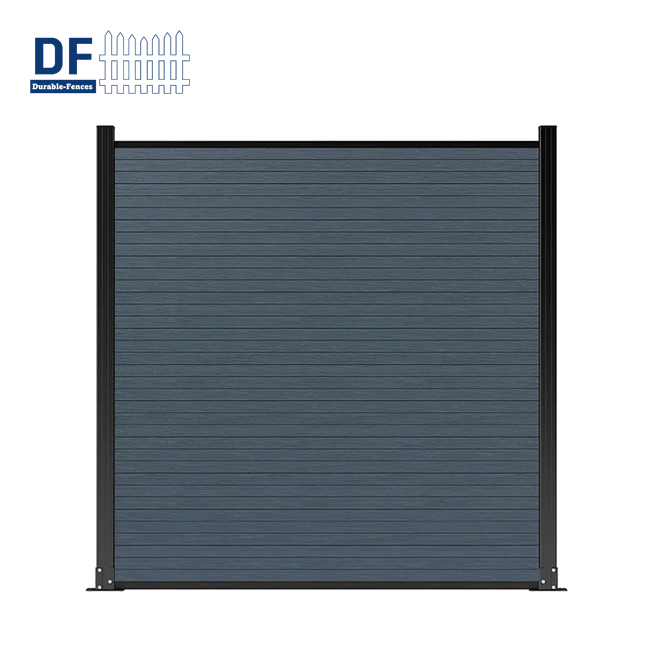
- Think about how you want your garden to look: If your garden is modern, you might use smooth grays or blacks; if your garden is more classic, warm browns will make it look better.
How It Feels and How It Looks
WPC fence comes in a range of designs and styles that can make your yard more interesting and give it more depth:
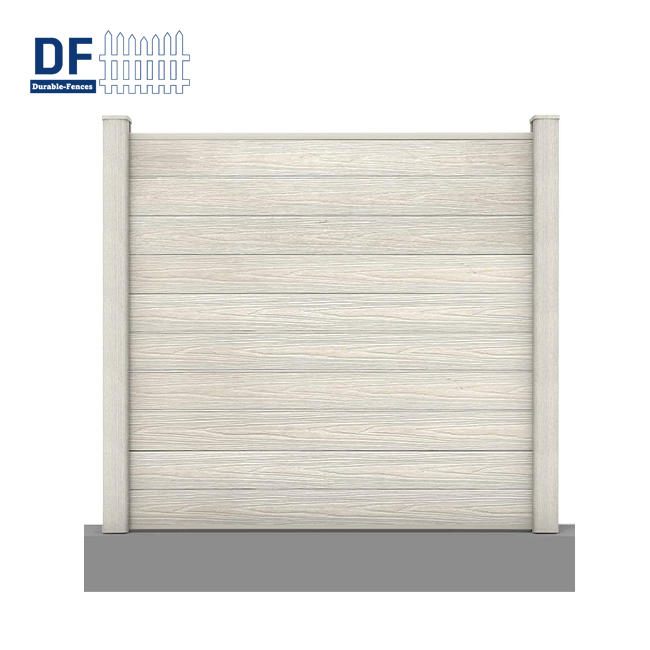
- Wood grain textures: These give a natural look that goes well with most types of gardens.
- Smooth finishes: Great for modern yard styles or settings that are simple and uncluttered.
- Patterns that are embossed: They can make your fence look more interesting and one-of-a-kind.
Height and Style
The way your fence is built and how tall it is can have a big effect on the feel of your yard.
- Short fences (2–3 feet): Great for marking the edges of a flower bed while still letting people see past them.
- Medium-height fences (4–6 feet): These will give you space without blocking sunshine from hitting your plants.
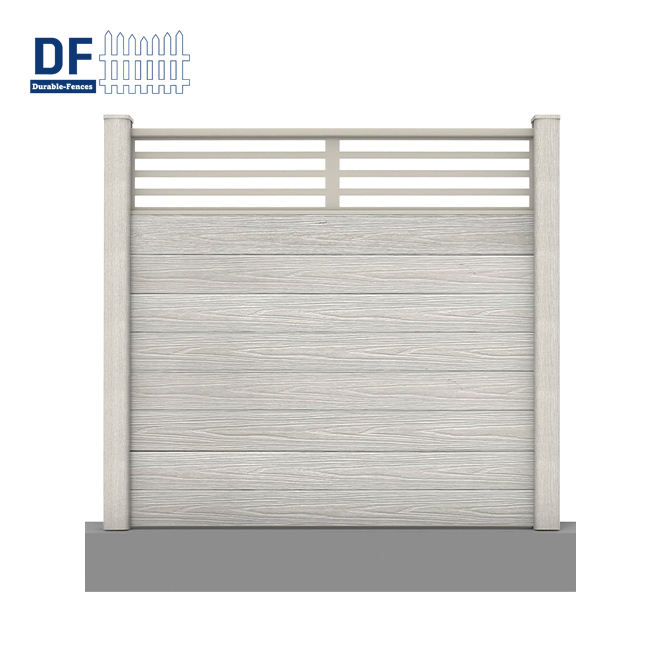
- Lattice tops: make the structure look nicer and give growing plants a place to grow.
- Horizontal boards vs. vertical boards: Horizontal boards can give the impression that a room is bigger, and vertical boards can give the impression that it is higher.
Taking these things into account will help you pick a WPC fence style that both protects your yard and makes your outdoor space more beautiful.
Is It Safe for Edible Gardens & Pet-Friendly Yards?
In places where food is produced or dogs are permitted to go about, safety is particularly essential. WPC fencing is a terrific choice for yards where dogs may wander and vegetable fields since it has so many advantages.
Keeping Edible Gardens Safe
WPC fences are perfect for fields where you cultivate fruits, vegetables, and plants.
- Safe materials: Good WPC fences are built of materials that don't let harmful chemicals into the ground.
- No preservatives: Unlike treated wood, WPC fence doesn't require chemical preservatives, so your plants won't go bad.
- Mold and mildew resistant: This feature helps maintain the area where your food plants grow healthy.
Things That Are Good for Pets
People who have pets may benefit from WPC fences in a variety of ways:
- No splinters: WPC fence won't splinter as wood would, so cats that are curious won't be as likely to be wounded.
- Nibble-resistant: WPC materials don't feel or taste good to most cats, so they are less inclined to nibble on the fence.
- Simple to clean: You can clean WPC fence with soap and water, which makes it simple to fix any messes your dogs generate.
A decent hybrid fence will protect your pets and food plants without losing style or strength.
Cost Analysis & Lifespan: Calculating Your Long-Term Value
You should consider about both the cost and the long-term benefit when you purchase a yard fence. WPC fence may cost more up front than other older materials, but it is frequently cheaper in the long term since it lasts a long time and doesn't require much upkeep.
Costs Up Front vs. Savings Over Time
Let's take a closer look at the costs:
1. Upfront Cost: WPC fences normally cost more than wood fences but less than metal fences, which are more costly.
2. expenditures of maintenance: WPC fences don't require a lot of care, so they don't have the annual expenditures of painting, cleaning, or replacing wood fences.
3. How Often to Replace It: WPC fences last 25 to 30 years or more, which is 2 to 3 times longer than wood fences. This means they are cheaper to replace.
Lifespan and Durability
The long life of WPC fence is a significant reason why it is worth so much.
1. Weather Resistance: WPC fences won't bend, shatter, or fade in poor weather.
2. Pest Resistance: Termites and other bugs that eat wood don't like WPC materials, therefore they don't hurt them as they do wood.
3. Structural Integrity: A decent wood fence will last for many years and look excellent.
A WPC fence is better than a wood fence in the long term since it may last 25 to 30 years or more with very little maintenance. A wood fence may need to be replaced every 10 to 15 years. In the long run, WPC fence is frequently the best choice since it lasts a long time and doesn't cost much to keep up.
Conclusion
As we look forward to 2026 and beyond, garden fences will be even more important for beauty and use outside. WPC Garden Fences are the finest choice since they last a long time, don't need much upkeep, and come in a wide range of styles. A WPC fence that won't decay is a long-lasting, environmentally responsible choice for your garden beds that will protect and enrich your garden for years to come. WPC fencing is wonderful for modern gardeners since it doesn't get wet, pests can't get through it, and UV rays can't hurt it. It's also safe for dogs and food plants. When you want to make improvements to your garden in the future, think about how a high-quality WPC fence will add value and provide you peace of mind in the long run. A fence that can stand up to the elements can keep your garden beds healthy for years.
FAQ
1. How long do WPC Garden Fences usually last?
With the right maintenance, a good wpc garden fence may last 25 to 30 years or longer. This lasts far longer than regular wood fence, which usually has to be replaced every 10 to 15 years.
2. Is wpc fence good for the environment?
Yes, a lot of wpc fences are manufactured from recycled materials, which makes them good for the environment. Also, they last a long time, so you don't have to replace them as often, which is better for the environment.
3. Is it possible to change the look of wpc fence to fit my garden?
Of course! wpc fence is available in many different colors, textures, and designs. You may pick solutions that seem like natural wood grain or go for more contemporary, sleek designs that will go well with the style of your yard.
For wholesalers: Provide affordable options for garden fences
Are you ready to improve your yard with beautiful, strong, and easy-to-care-for fencing? Shaanxi Durable New Material Technology Co., Ltd. sells WPC Garden Fences. Our wpc fence is of excellent quality and fulfills the standards set by the EU CE, US ASTM D7039, and China GB/T 24137. Our Recycled Content certification and E0 environmental standard provide you eco-friendly options. We provide building material wholesalers attractive discounts and free samples to help them build up their stock. Customers may get free design help and professional installation. To keep your garden healthy for years, choose a fence that won't decay and will endure a long time.
Email us at info@durable-fences.com now to find out more about our wpc garden fence alternatives and how we can help you make your dream garden a reality. You can trust the WPC Garden Fence supplier that puts quality, longevity, and customer happiness first!
References
- Smith, J. (2025). "The Future of Garden Fencing: Trends and Innovations for 2026." Gardening Technology Review, 18(3), 45-52.
- Johnson, A. et al. (2024). "Comparative Analysis of Fencing Materials for Long-Term Durability." Journal of Sustainable Landscaping, 9(2), 112-128.
- Green, T. (2023). "Eco-Friendly Gardening: The Role of WPC Materials in Sustainable Landscaping." Environmental Horticulture Quarterly, 7(4), 89-103.
- Brown, L. (2025). "Cost-Benefit Analysis of Modern Fencing Materials for Residential Gardens." Home and Garden Economics, 12(1), 67-82.
- Davis, M. (2024). "The Impact of Fencing Materials on Edible Garden Safety and Yield." Urban Agriculture Studies, 15(3), 201-215.
- Wilson, K. (2025). "Pet-Safe Landscaping: A Comprehensive Guide to Garden Fencing for Animal Owners." Veterinary Horticulture Magazine, 6(2), 34-49.





Get a Quote for Your Fencing Project Today