How does Garden Fence Composite resist fading caused by UV rays?
How does Garden Fence Composite resist fading caused by UV rays?
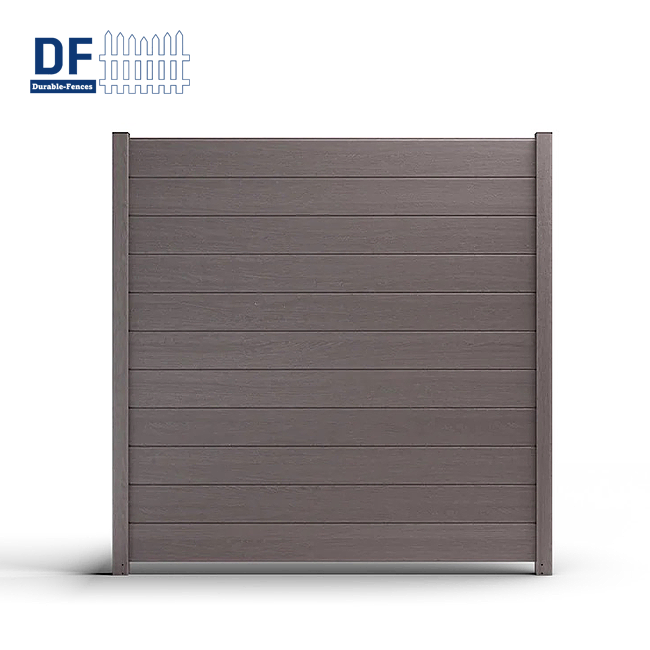
The question of how WPC Garden Fence (garden fence composite) withstands UV exposure is answered through its carefully engineered composition. Unlike timber, which often bleaches or cracks under prolonged sunlight, WPC fencing combines recycled wood fibers, polyethylene plastic, and specialized additives to ensure long-lasting color stability. A high-density anti-UV layer stops ultraviolet rays from breaking down surface colors. This means that even in direct sunlight, the risk of fading is lower. With this design, fences can keep their natural wood-like look while being stronger and easier to maintain. The mixture keeps its tones over years of contact without needing to be painted, stained, or oiled again. In addition to not losing its color, the surface is also safe from breaking or twisting caused by changes in temperature. Because it lasts so long, it's a popular choice for homes, businesses, and investors who want a fence that looks good, stays stable, and doesn't need much maintenance. The end result is a modern, eco-friendly fence that will keep outdoor areas looking good for years to come.
What UV Protection Technology is Built into WPC Garden Fences?
Specialized UV Inhibitors and Stabilizers
One of the most common concerns with outdoor fencing materials is the effect of constant sun exposure. Natural wood tends to fade, dry out, and lose its original charm after a few seasons under harsh sunlight. By contrast, a garden fence WPC is engineered with advanced UV protection technology that minimizes fading and surface deterioration. This is achieved by adding specialized UV inhibitors and stabilizers during the production process. These additives form an invisible barrier within the material, reducing the penetration of ultraviolet rays and protecting the integrity of the fence's color and texture.
Co-Extrusion Protective Layer
The manufacturing process also involves co-extrusion techniques, where a protective layer is applied on the outer surface of the boards. This layer enhances the resistance against fading, cracking, and warping caused by direct exposure to sunlight. Unlike traditional fences that demand frequent repainting or staining, WPC Garden Fence (garden fence composite) retains its appearance with minimal care.
Dense Material Structure for Heat Resistance
Furthermore, the use of polyethylene plastics and reclaimed hardwood fibers guarantees that the boards possess a solid, sturdy structure, which precludes them from becoming brittle when exposed to extended periods of heat. For outdoor projects for both residential and commercial purposes, the fence continues to be attractive for many years, even in areas that are exposed to high levels of ultraviolet radiation, as a result of these combined efforts. It provides both durability and long-lasting beauty.
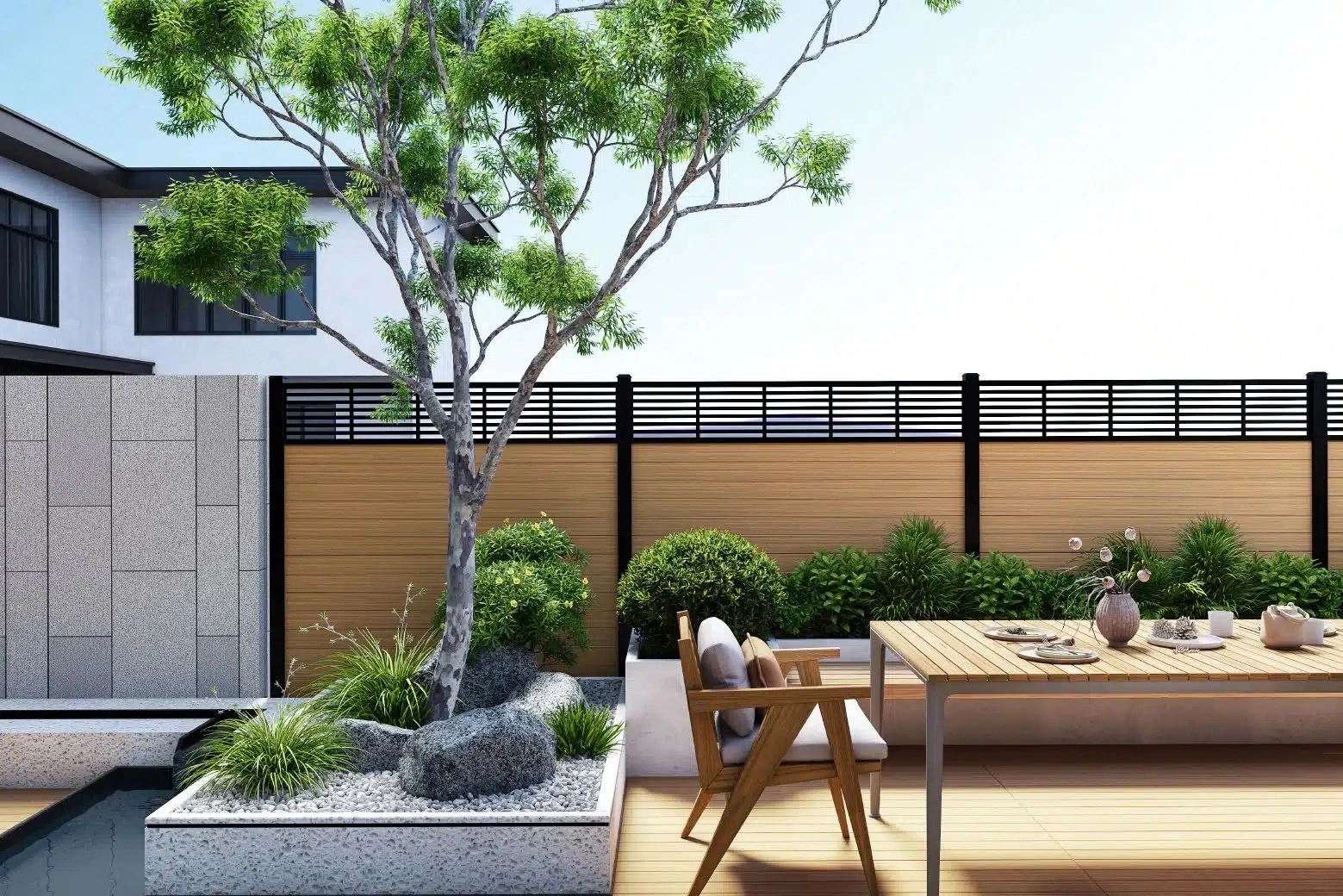
The importance of Garden Fence aesthetics in residential areas
Enhancing Curb Appeal and Property Value
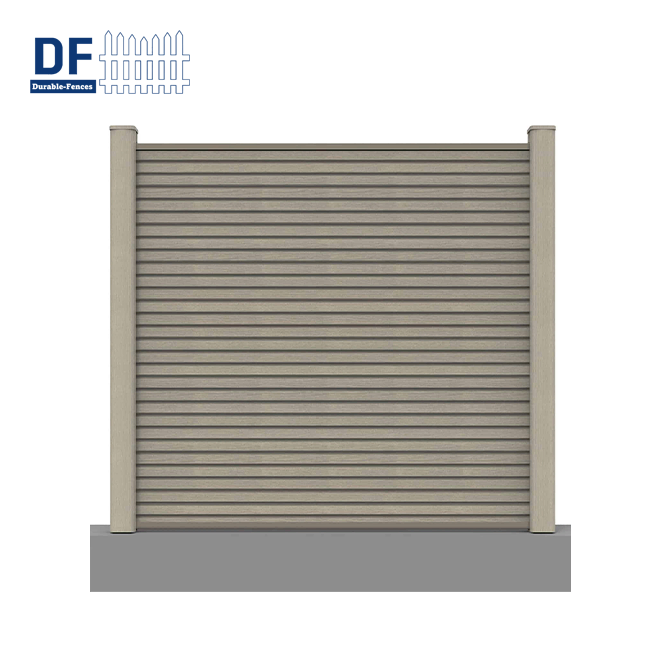
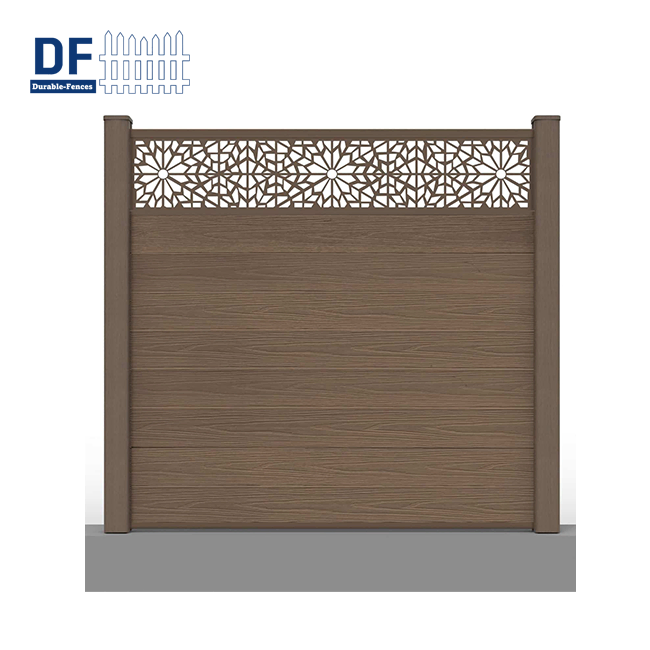
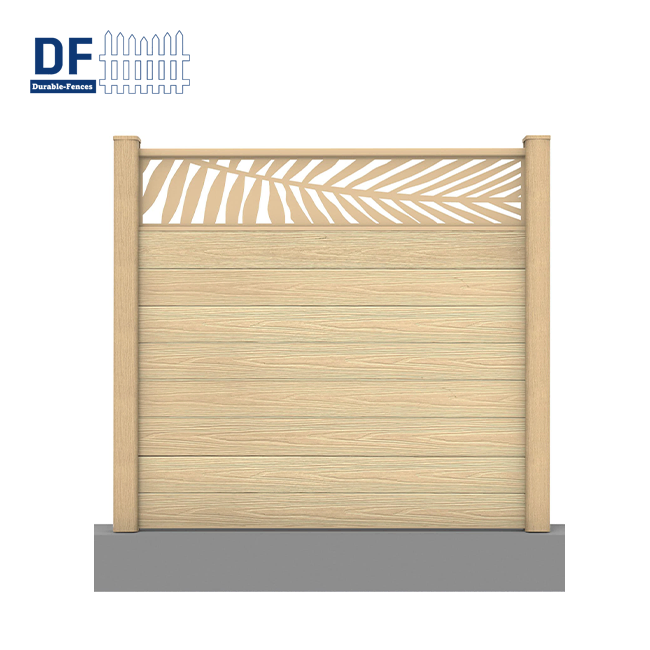
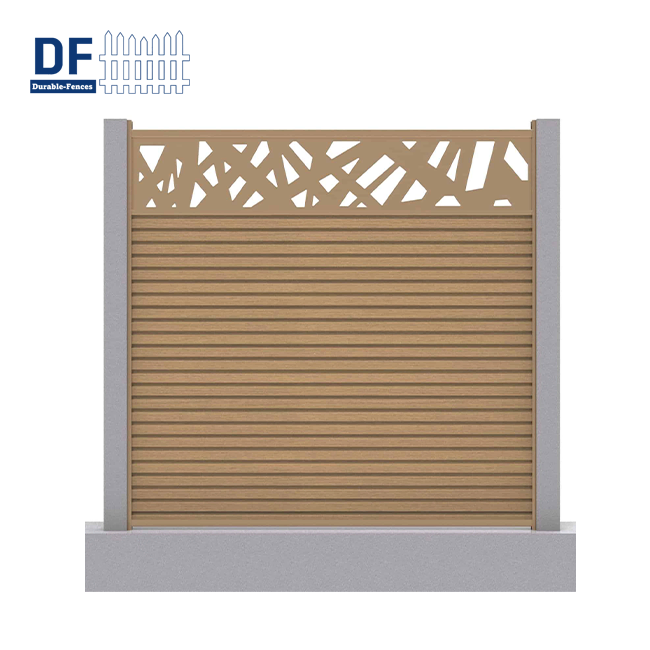
A wpc garden fence plays a crucial role in defining the visual character of a residential property. Beyond simply marking boundaries, the fence contributes to overall curb appeal, creating a cohesive and attractive appearance for gardens, yards, and outdoor spaces. Its natural wood-like texture and variety of colors—from neutral tans to rich wood grains—allow homeowners to match the fence to landscaping, architectural style, or personal taste. By maintaining a visually pleasing exterior, homeowners can also positively influence property value, as prospective buyers often consider the condition and aesthetics of outdoor features when evaluating a home.
Blending Functionality with Style
You can't forget about utility, even if looks are crucial. WPC fence is both beautiful and useful since it is strong, long-lasting, and resistant to pests and harm from the environment. This keeps the fence looking and feeling how it was meant to, even when it gets wet, gets hit by anything, or gets too much sun. In residential areas, where fences serve both ornamental and defensive objectives, design and usefulness are especially crucial. Fences keep people safe and make outdoor spaces more attractive.
Customization Options for Personalized Outdoor Spaces
WPC materials provide a plethora of customizing choices, which is a crucial component of garden fence aesthetics. Size, texture, finish, and color options allow homeowners to create a one-of-a-kind aesthetic for their homes. A variety of post styles and caps provide further ornamental accents, while brushed, embossed, or co-extruded finishes give the fence character and realism. Because of its adaptability, the fence may harmonize with the home's design while also adding to a pleasant outside space for individual relaxation and gatherings with friends and family.
Maintenance-Free Beauty: How to Preserve Your Fence's Appearance Without Staining or Painting
Low-Maintenance Surface Properties
A significant advantage of WPC Garden Fence (garden fence composite) is its ability to maintain appearance with minimal upkeep. Unlike traditional wood, which requires regular staining, painting, or sealing, WPC fencing has inherent resistance to moisture, fading, and insect damage. The thick structure of the material and UV-resistant chemicals keep the surface in good shape even after being in the sun, rain, and different temperatures for a long time. This means that residents can get a natural, colorful wood-like look without having to pay a lot for upkeep.
Simple Cleaning Techniques
Maintaining the beauty of WPC fencing requires only basic cleaning techniques. A light rinse with a garden hose or occasional use of mild soap and water removes dust, dirt, and environmental residue. In shaded or humid areas where algae or mold could develop, a soft brush or diluted vinegar solution can safely eliminate buildup without damaging the fence surface. These straightforward methods save both time and money, making WPC fencing an ideal solution for busy homeowners who want long-lasting beauty with minimal effort.
Durability and Long-Term Cost-Effectiveness
Beyond its visual appeal, WPC Garden Fence is durable. Because it is able to withstand cracking, warping, and fading, the fence is able to avoid having to undergo numerous repairs or replacements, which ultimately minimizes the total expenses of its lifetime. The combination of esthetic beauty, structural stability, and minimum care provides advantages to homeowners and property managers. This leads to substantial savings over the course of many decades in comparison to conventional fence materials that need to be chemically treated, painted, or stained repeatedly, making composite fencing a practical and aesthetically satisfying investment.
Conclusion
Garden fence WPC is resistant to UV fading because it is made of recycled wood fibers mixed with polyethylene, UV stabilizers added to make it stronger, and advanced coats applied to keep it safe. This makes sure that the color stays true, the structure stays strong, and the appeal lasts for a long time, even in harsh conditions. It gives property owners and investors a beautiful, eco-friendly way to fence in their land that doesn't need much care and will last for decades.
Choose a Reliable WPC Garden Fence (garden fence composite) Manufacturer
A reliable WPC Garden Fence (garden fence composite)manufacturer, Shaanxi Durable New Material Technology Co., Ltd. provides sustainable and long-lasting fencing options. Our products look good and are resistant to termites, vermin, and UV fading, so they are great for homes, businesses, and public spaces. We provide great value and reliable assistance, with quick installation, sizes that may be changed, and factory-direct prices. Please email us at info@durable-fences.com to talk about your project requirements and take advantage of our knowledge of eco-friendly outdoor fencing options.
References
1. European Committee for Standardization (CEN) Guidelines on WPC Outdoor Materials.
2. International Organization for Standardization (ISO) Reports on UV Resistance in Building Materials.
3. Construction Industry Technical Report: Durability of WPC vs. Wood Fencing.
4. Environmental Product Declaration: Recycled Materials in WPC Fencing.
5. American Society for Testing and Materials (ASTM) Standards for WPC Fence Products.
6. Technical White Paper: UV Stabilizers and Their Role in Outdoor WPC Applications.





Get a Quote for Your Fencing Project Today