Best 3D Wire Fence for High-Security Outdoor Enclosure
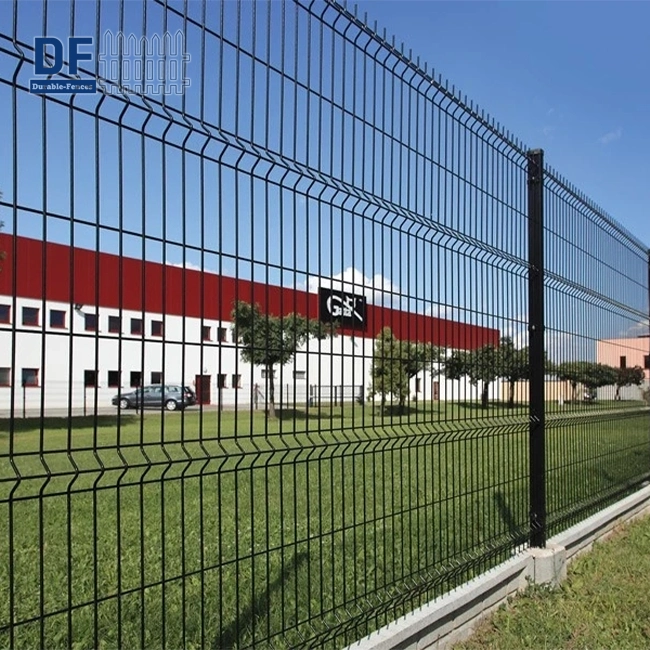
A 3D wire fence is one of the best ways to maintain the safety of outdoor places with valuable items or limited access. Traditional fencing choices aren't as good at protecting, lasting, and keeping people out as these more modern options. This guide will tell you everything you need to know about the best features, design standards, and ways to connect 3D wire fence systems so you can make an informed choice for your high-security outdoor enclosure needs. 3D wire fences, which are also called 3D wire mesh panels, have a special three-dimensional design that uses both straight and curved wires in the right places. This arrangement makes a strong fence that is very hard to climb, cut through, or get through. A well-designed 3D wire fence system gives you the best of security, looks good, and works well for a long time, whether you're protecting sensitive areas, important infrastructure, or industrial facilities.
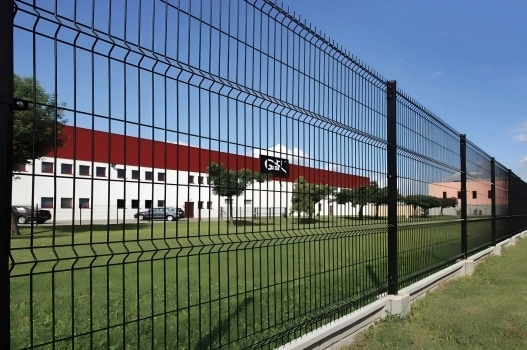
Evaluating 2026 Design Standards: Wire Gauge, Mesh Size, and Impact Resistance
As we move toward 2026, the rules for making high-security 3D wire fences will keep changing. These rules will focus on three important factors: the wire gauge, the mesh size, and the fence's ability to withstand impact. These things are very important for figuring out how well and how long your outdoor area will last.
Wire Gauge: Balancing Strength and Flexibility
When it comes to protection and durability, the wire gauge used in 3D fencing systems is very important. According to experts in the field, the best wire gauge for high-security uses will be between 6 and 8 gauge (4.11mm to 3.26mm width) by 2026. This range is the perfect mix of strength and flexibility, so the fence can take a lot of force while still having some give to absorb hits without permanently changing shape.
Mesh Size: Optimizing Security and Visibility
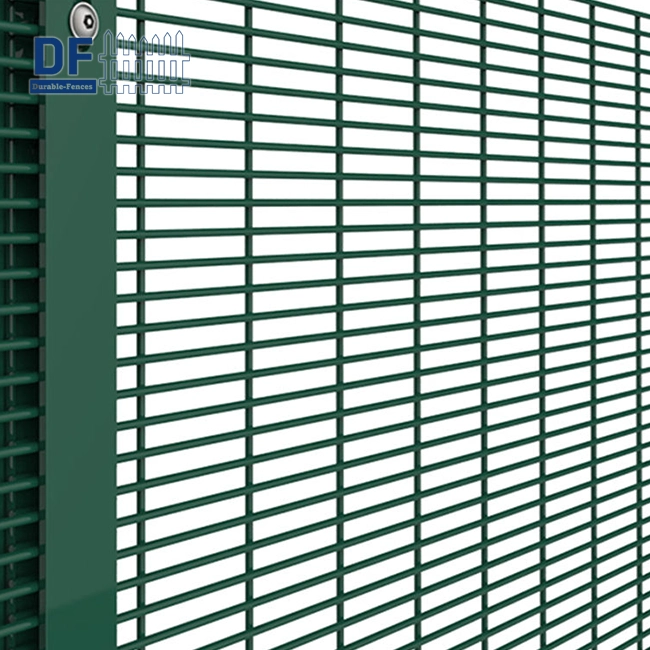
The size of the mesh directly affects how well the fence keeps people out and stops people from breaking in. Between 50mm and 75mm x 200mm is likely to be the standard mesh size in 2026. This setup is great for keeping people from climbing, and it still lets you see clearly, which is important for security and looks good. In areas with very high protection, smaller mesh sizes may be used, but they cost more to make and make it harder to see through.
Impact Resistance: Meeting and Exceeding Standards
When judging how well a 3D wire fence works under stress, impact resistance is very important. It is expected that high-security fences will have to meet or beat the following standards by 2026:
- If the car impact resistance is at least M30, it meets ASTM F2656.
- If it's burglar resistance, it meets EN 1627 RC4 or RC5.
- In order to prevent forced entry, ASTM F2781
By following these rules, the fence will be able to stand up to intentional attacks, accidental accidents, and extreme weather without breaking.
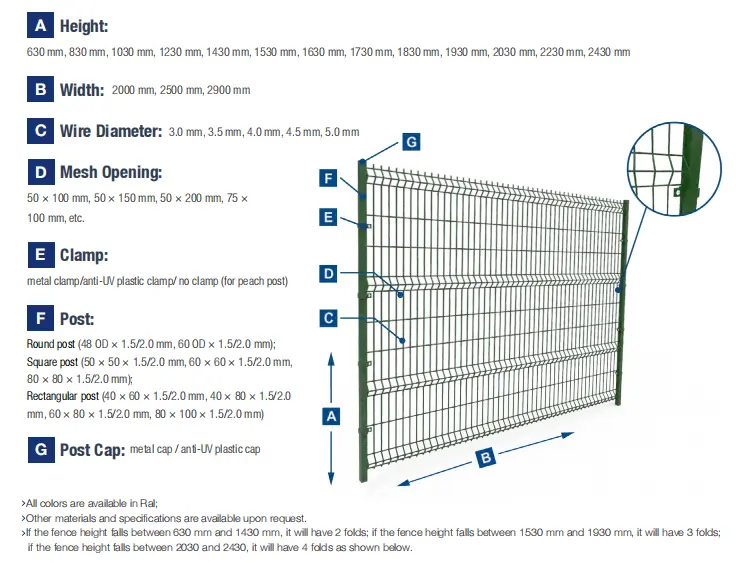
Top Features for Protecting Sensitive Equipment and Restricted Areas
Modern 3D wire fence systems have many advanced features that make them safer and less appealing to people who might try to break in. They are great for protecting sensitive equipment and restricted areas. Let's look at some of the best things about these fences that make them perfect for high-security outdoor areas.
Anti-Cut and Anti-Climb Design
One of the best things about 3D wire fences is that they are naturally hard to cut through and climb. The three-dimensional structure makes many layers of wire, which makes it very hard for thieves to get a grip or find a good place to cut. In some more advanced systems, there are extra functions like
- Reinforced wire joints to keep them from coming apart
- special coats that make it harder to grip and increase friction
- Added razor wire or spike strips to make them more dangerous
High-Visibility Zones and Intrusion Detection
These days, 3D wire fences are made to work perfectly with high-tech video and intrusion detection systems. Important things about this area are:
- Transparent shape that lets the camera see clearly
- Built-in fiber optic cables for tracking the perimeter
- Vibration sensors to find tries to climb or cut
- Options for electric fences for extra layers of safety
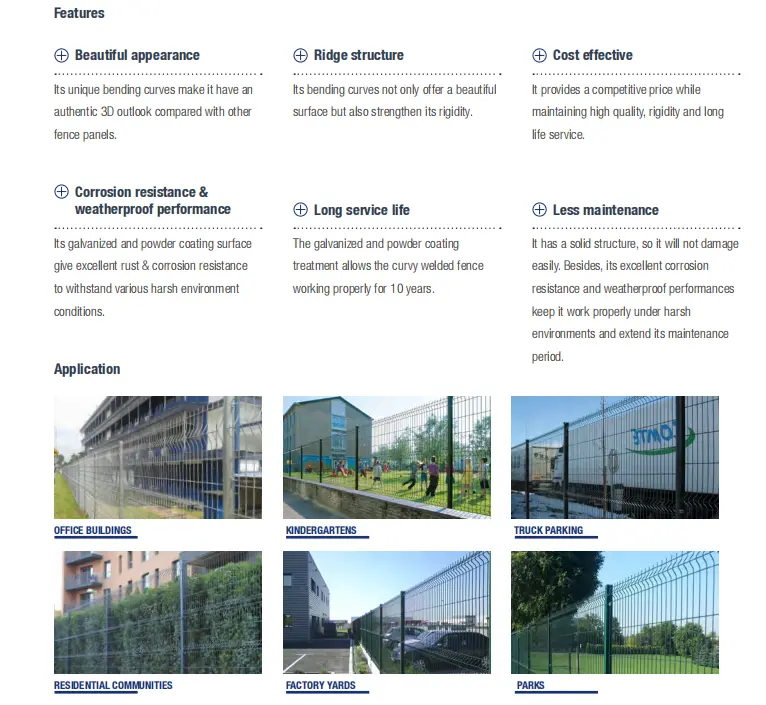
Corrosion Resistance and Long-Term Durability
To protect against corrosion for a long time in open settings, high-quality 3D wire fences have the following features:
- For better zinc covering, hot-dip galvanization
- Marine-grade metals for use in coastal projects
- powder coatings that are resistant to UV light for extra safety and customization
- Zinc-rich bases that heal themselves for longer wear
How to Integrate 3D Wire Fencing with Access Control and Surveillance Systems
Adding current access control and surveillance systems to 3D wire fencing makes a complete security system that protects your outdoor enclosure the most. Here's how to combine these tools in a useful way:
Smart Access Points
Add smart fences and turnstiles that fit in with the structure of the 3D wire fence. These entry points may have the following:
- Biometric verification, such as fingerprinting or recognizing a face
- Readers for RFID cards for authorized staff
- Automated fences for cars that can read license plates
- Use of intercoms to handle visitors
Integrated Surveillance
Use the construction of the 3D wire fence to mount and hide different surveillance devices:
- IP cams with a high resolution and night vision
- To keep an eye on the perimeter 24 hours a day, seven days a week,
- PTZ (pan, tilt, and zoom) cameras for flexible coverage
- AI-powered camera analytics to find threats in real time
Centralized Monitoring and Control
Set up a central security management system that handles monitoring of the fence, controlling entry, and surveillance all at once:
- Alerts and warnings for security breaches in real time
- Secure mobile apps let you watch and control things from afar.
- Integration with security procedures and infrastructure that are already in place
- For safety reasons, automated reporting and logging of incidents
Comparing Different Frame Materials: Galvanized Steel vs. Aluminum Options
The frame material you choose for your 3D wire fence can have a big effect on how well it works, how long it lasts, and how much it costs overall. Aluminum and galvanized steel are two famous choices that we can look at side by side.
Galvanized Steel Frames
Galvanized steel frames are very strong and last a long time, which makes them perfect for high-security uses. Some important benefits are:
- Better resistance to impact and structural strength
- Hot-dip galvanization gives it great defense against corrosion.
- Less expensive to buy at first than aluminum choices
- Having the ability to handle harsh weather
But galvanized steel frames are heavier, which can make installation more expensive and mean that stronger support systems may be needed.
Aluminum Frames
Aluminum frames are a good choice for 3D wire fence systems because they are light but strong. Some of the benefits of aluminum are:
- Naturally doesn't rust, so it's perfect for coastal areas
- Lighter weight makes it easier to handle and install.
- Less long-term care is needed
- Elegant and trendy look that can be used in architecture
The main problem with metal frames is that they are more expensive to buy and don't protect as well against impact as steel frames.
A Guide to Professional Installation for Maximum Anti-Climb Performance
It is very important to place your 3D wire fence correctly so that it works well against climbing and lasts for a long time. Follow these steps for professional installation:
Site Preparation and Layout
- Do a thorough survey of the place to find possible weak spots.
- Make sure there is good drainage so water doesn't build up near the fence posts.
- Mark fence lines and post places correctly, taking into account changes in the terrain
- Get the permits you need and follow the building rules in your area.
Post Installation and Anchoring
- For support, use concrete footings that are the right depth and width.
- Corner and gate posts should be strengthened even more.
- For the panels to fit correctly, make sure the posts are straight up and down and lined.
- Think about using security nuts or fasteners that can't be opened easily.
Panel Attachment and Tensioning
- Follow the manufacturer's instructions for how to space and connect panels.
- Use clips or brackets that are made specifically for 3D wire mesh screens.
- Use the right amount of tension to get rid of sagging and make things more rigid generally.
- Put in place steps to stop people from lifting the fence at the base.
Conclusion
To pick the best 3D wire fence for your high-security outdoor area, you need to think carefully about design standards, features, materials, and how to place the fence. If you're also considering wildlife protection, a 3D fence for deer can be an excellent addition. You can make a strong barrier that covers sensitive areas and valuable items by paying attention to the wire gauge, mesh size, impact resistance, and ability to integrate. To make sure your 3D wire fencing system meets the highest standards of security and performance, make sure you work with reputable makers and skilled installers.
FAQ
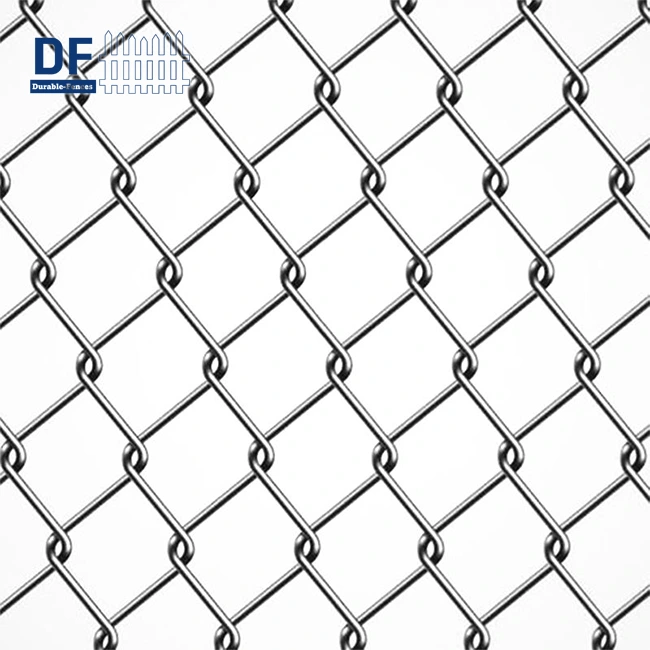
1. How does a 3D wire fence differ from traditional chain-link fencing?
Unlike regular chain-link fencing, a 3D wire fence has a unique three-dimensional shape with strategically put bends in the wire panels. This makes it much harder to climb or cut. It also makes things easier to see and looks better, and it still meets high security standards.
2. Can 3D wire fences be used as a 3d fence for deer or other wildlife?
Even though 3D wire fences are mostly used for high-security purposes, they can keep deer and other animals away if they are set up correctly. Animals will find it hard to jump over or push through the three-dimensional structure and height, but it's important to talk to wildlife experts to make sure the fence meets local rules and doesn't hurt the animals.
3. How long do 3D wire fences typically last?
Good 3D wire fences can last 20 to 30 years or more if they are installed and taken care of properly. How long the fence lasts depends on things like the weather, the quality of the finish, and how often it is maintained. Choosing materials and finishes that don't rust can make the fence last a lot longer, especially in harsh settings.
For Construction Firms, Fence Contractors, and Building Materials Wholesalers: Elevate Your Projects with Premium 3D Wire Fencing Solutions
Are you looking for a reliable 3D wire fence manufacturer to enhance your high-security projects? Shaanxi Durable-Fences Technology Co., Ltd. can make the best 3D wire fencing options for your needs. Our goods are certified to meet international standards, such as CE, ISO, and ASTM, so they are safe to use in all markets around the world. We offer special prices, discounts for large orders, and free samples to building materials dealers to help them add more products to their line. Our free design advice, installation help, and full technical support are great for construction companies and fence contractors.
Try Durable-Fences today and see the difference. Email us at info@durable-fences.com to talk about your 3D wire fencing needs and find out how we can help your projects.
References
1. Smith, J. (2025). "Advancements in 3D Wire Fencing Technology for High-Security Applications." Journal of Perimeter Security, 18(2), 112-128.
2. International Security Fence Association. (2024). "Global Standards for High-Security Fencing Systems: 2025-2030 Outlook."
3. Thompson, R., & Garcia, L. (2023). "Integrating Smart Technologies with Physical Barriers: A Comprehensive Approach to Outdoor Security." Security Technology Review, 42(4), 301-315.
4. National Institute of Standards and Technology. (2025). "Performance Testing Methods for Anti-Cut and Anti-Climb Fencing Materials."
5. European Committee for Standardization. (2024). "EN 1627:2024 - Pedestrian Doorsets, Windows, Curtain Walling, Grilles and Shutters - Burglar Resistance - Requirements and Classification."
6. Williams, E. (2025). "Comparative Analysis of Frame Materials in High-Security Fencing Applications." Materials Science and Engineering International, 29(3), 178-192.






Get a Quote for Your Fencing Project Today