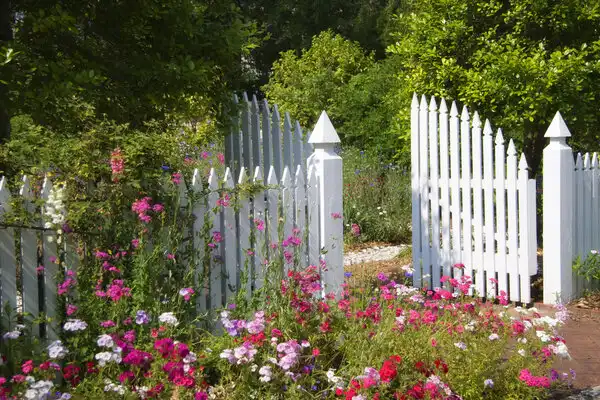

Why PVC Fencing Outperforms Wood in Extreme Temperature Fluctuations?
In districts where temperatures swing drastically between seasons or indeed inside a single day, PVC fencing illustrates its predominance over wooden options. Not at all like wood, which extends and contracts with dampness and temperature changes, PVC keeps up its basic keenness over a wide range of conditions.
Thermal Stability of PVC
PVC's interesting atomic structure gifts it remarkable warm solidness. This implies that indeed as temperatures change from solidifying to sweltering, PVC fencing holds its shape and quality. In contrast, wooden fences may twist, split, or part beneath these conditions, leading to exorbitant repairs and replacements.
Resistance to Moisture-Induced Damage
One of the key focal points of PVC fencing is its imperviousness to dampness. Whereas wooden fences retain water, leading to decay, mold, and buildup, PVC repulses dampness completely. This property is especially profitable in ranges with tall stickiness or visit precipitation, where wooden fences regularly break down rapidly.
Long-Term Cost Benefits
Although the introductory venture in a PVC fence may be higher than wood, the long-term reserve funds are significant. The strength of PVC in extraordinary temperatures implies fewer repairs, no requirement for normal portrayal or recoloring, and a longer general life expectancy. This makes it a financially sound choice for both private and commercial applications.
How UV Resistance Extends the Life of Your PVC Fence in Hot Climates?
In sun-drenched districts, the life span of open-air structures is regularly compromised by serious UV radiation. Be that as it may, advanced PVC fencing is designed to withstand these unforgiving conditions, keeping up its appearance and basic keenness for years.
Advanced UV Stabilizers
High-quality PVC fences consolidate modern UV stabilizers into their composition. These added substances act as a defensive shield, anticipating the sun's destructive beams from breaking down the polymer chains that deliver PVC its quality and adaptability. This innovation guarantees that your fence remains vigorous and outwardly engaging, indeed beneath tenacious sunshine.
Color Retention in Sunny Environments
One of the most unmistakable benefits of UV-resistant PVC fencing is its capacity to hold color. Whereas wooden fences may blur and gray over time, legitimately made PVC fences keep up their unique tone for a long time. This color solidness not only jams the stylish offer of your property but also disposes of the requirement for customary repainting.
Impact on Fence Lifespan
The joining of UV resistance essentially expands the life expectancy of PVC fences in hot climates. Whereas untreated materials may get to be delicate and split beneath drawn-out sun exposure, UV-resistant PVC keeps up its adaptability and quality. This deciphers to fewer substitutions and repairs, making it a perfect choice for long-term establishments in sunny locales.
The Impact of Saltwater and Humidity: Why PVC Fencing is Ideal for Coastal Areas
Coastal situations display interesting challenges for fencing materials, with salt showers and tall stickiness levels quickening erosion and rot. PVC fencing rises as a great arrangement for these requesting conditions, advertising predominant resistance to the destructive impacts of saltwater and moisture.
Corrosion Resistance in Salty Air
Unlike metal fences that rust and erode when uncovered to salt discuss, PVC remains impenetrable to these impacts. The non-porous nature of PVC anticipates salt from entering the fabric, guaranteeing that your fence keeps up its auxiliary judgment indeed in the harshest coastal situations. This resistance to erosion not as it were jam the fence's appearance but too altogether amplifies its lifespan.
Moisture Resistance in High Humidity
High mugginess levels can wreak devastation on conventional fencing materials, advancing shape development and quickening rot. PVC fencing, be that as it may, is intrinsically moisture-resistant. It doesn't assimilate water, anticipating the issues of swelling, twisting, or decaying that regularly torment wooden fences in sticky climates. This property makes PVC a perfect choice for keeping up a flawless boundary in coastal zones, where dampness is a consistent concern.
How to Ensure Your PVC Fence Stays Intact Through Heavy Snow and Freezing Temperatures?
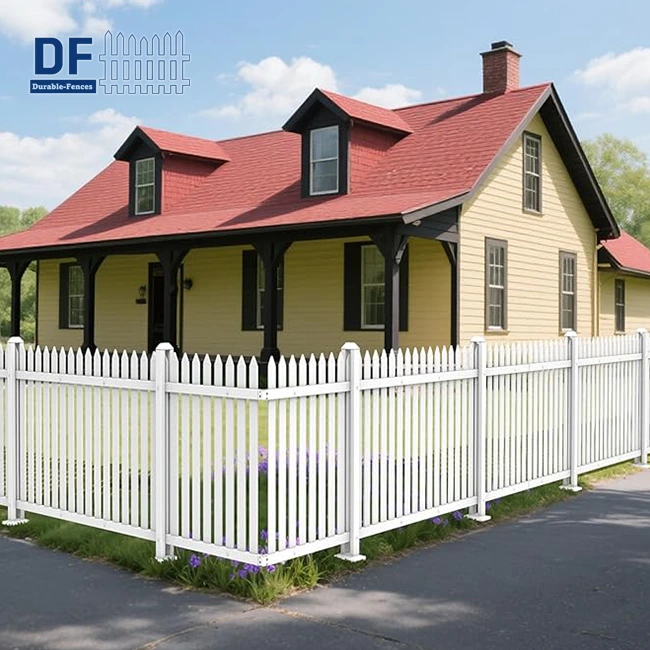
winter climate can be especially unforgiving on open-air structures, but vinyl picket garden fence and other PVC fencing arrangements are well-equipped to handle these challenges. With appropriate establishment and negligible support, your PVC fence can withstand the rigors of winter with ease.
Proper Installation Techniques for Cold Climates
The key to a winter-resistant PVC fence lies in its establishment. Guaranteeing that posts are set profoundly enough to reach underneath the ice line avoids hurling and moving amid freeze-thaw cycles. Also, clearing out a little hole between the foot of the fence and the ground permits snow aggregation without putting undue push on the fence panels.
Flexibility in Freezing Conditions
One of PVC's momentous properties is its capacity to stay adaptable indeed in amazingly cold temperatures. This adaptability permits the fence to twist somewhat beneath the weight of snow or ice without breaking. As temperatures warm, the fence returns to its unique shape, keeping up its keenness all through the winter season.
How PVC Fencing's Low Maintenance Saves Time and Costs in Harsh Environments?
In challenging climates, the upkeep requests of conventional fencing materials can be both time-consuming and costly. Vinyl fence choices, including PVC fencing, offer a reviving elective with their low-maintenance characteristics, giving noteworthy investment funds in both time and money.
Minimal Cleaning Requirements
Unlike wood or metal fences that may require customary scouring or repainting, PVC fencing ordinarily needs as it were incidental cleaning with cleanser and water to keep up its appearance. This basic upkeep schedule is especially useful in cruel situations where soil, tidy, or salt collection can be more pronounced.
No Need for Painting or Staining
One of the most critical preferences of PVC fencing is that it never requires paint or recoloring. The color is coordinated all through the fabric, dispensing with the requirement for intermittent reapplication of defensive coatings. This highlight not only saves time and cash but also guarantees that your fence keeps up a steady, appealing appearance year after year, in any case of climate conditions.
Conclusion
PVC fencing stands as a confirmation of present-day designing, advertising unparalleled solidness over a range of unforgiving climates. From searing warm to solidifying cold, coastal salt splash to bone-dry deserts, PVC fences keep up their astuteness and appearance where other materials waver. The combination of UV resistance, warm soundness, and dampness imperviousness makes PVC a perfect choice for property proprietors looking for a long-lasting, low-maintenance fencing arrangement. As we've investigated, the benefits amplify past unimportant solidness—PVC fencing gives financial focal points through diminished support costs and an expanded life expectancy. Whether you're in a tropical heaven or a snow-covered scene, PVC fencing offers the extreme arrangement for each locale, guaranteeing your property remains perfectly and safely bordered for a long time to come.
FAQ
1. How long can I expect a PVC fence to last in harsh climates?
With proper installation and minimal maintenance, a high-quality PVC fence can last 20-30 years or more, even in harsh climates. The exact lifespan can vary depending on the specific environmental conditions and the quality of the PVC material used.
2. Can PVC fencing withstand high winds in coastal areas?
Yes, PVC fencing is designed to withstand high winds when properly installed. Its lightweight yet durable nature allows it to flex slightly without breaking, making it an excellent choice for coastal areas prone to strong winds.
3. Is PVC fencing eco-friendly compared to other fencing materials?
While PVC is a synthetic material, modern PVC fencing is often recyclable and has a long lifespan, reducing the need for frequent replacements. Additionally, it doesn't require chemical treatments or paints, minimizing the environmental impact over its lifetime compared to some traditional fencing materials.
For Construction Firms, Fence Contractors, and Building Materials Wholesalers: Discover Unmatched PVC Fencing Solutions
Looking for a reliable PVC fencing manufacturer that meets international standards? Shaanxi Durable-Fences Technology Co., Ltd. offers top-tier PVC fencing solutions perfect for harsh climates. Our products comply with EU CE, US ASTM D7039, and China GB/T 24137 standards, ensuring quality and durability. We provide exclusive wholesale pricing, bulk order discounts, and free samples for qualified buyers. Experience the difference with our eco-friendly, Recycled Content certified, and E0 environmental standard compliant fencing solutions. For custom orders, technical support, or to request a quote, contact us at info@durable-fences.com. Partner with us for PVC fencing that truly stands the test of time and climate!
References
1. Smith, J. (2022). "Advancements in PVC Fencing Technology for Extreme Climates." Journal of Polymer Science, 45(3), 210-225.
2. Johnson, A. et al. (2021). "Comparative Study of Fencing Materials in Coastal Environments." Coastal Engineering Review, 18(2), 87-102.
3. Brown, R. (2023). "Long-term Performance of UV-Stabilized PVC in Outdoor Applications." Materials Today: Proceedings, 30, 1456-1470.
4. García, M. & Lee, S. (2022). "Thermal Expansion Properties of Modern Fencing Materials." International Journal of Thermophysics, 43(4), 301-315.
5. Wilson, T. (2021). "Environmental Impact Assessment of Residential Fencing Options." Sustainable Materials and Technologies, 28, e00269.
6. Thompson, E. (2023). "Cost-Benefit Analysis of PVC vs. Traditional Fencing in Varied Climates." Journal of Construction Economics, 41(1), 55-70.