In 2026, it's important for project planners and property owners to know what makes PVC fencing prices go up or down. People are choosing PVC fencing more and more because they last a long time, don't need much maintenance, and can be used in many ways. In the coming years, the price of your project will change based on a number of factors, such as whether you want a
for your yard or a strong PVC system for a business. This guide goes over all the important information about PVC fence prices, such as the different types of materials used and the styles that can be chosen. It will help you choose the best fences for your projects in 2026. You will be able to find the best mix between price, quality, and style if you know these things. This will help your purchase last.


What Effects Panel Thickness and Profile Design Have on Material Costs
Thickness and Style
The total cost of your fence job will depend on how thick and what kind of shape your PVC fence pieces have. Most of the time, walls that are bigger are stronger and last longer, but they cost more because they need more materials. A typical PVC fence panel for a home might be 0.06 inches thick, while a panel made for a business might be 0.09 inches thick or more. This difference in width changes both the price and the fence's ability to handle stress and hits from the outside.
Shape and Outline
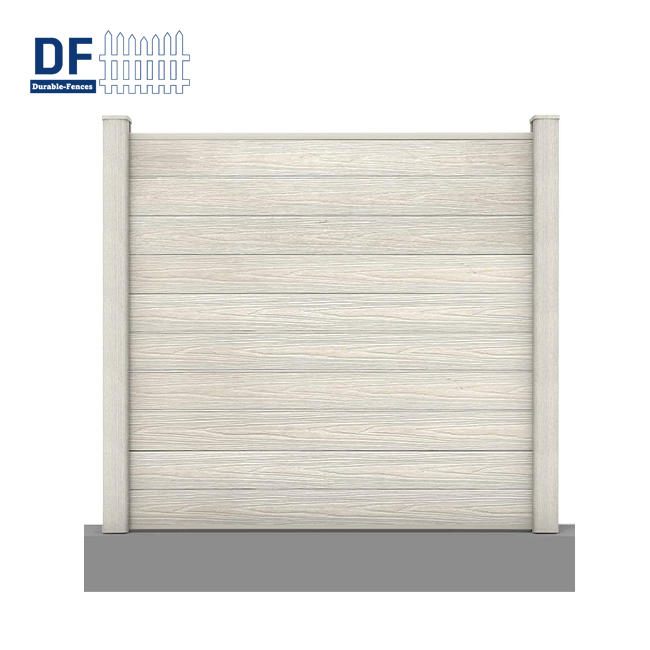
Profile design, on the other hand, is about how the fence pieces are made and put together. For instance, a small plastic fence can have patterns or wood grain-like designs that are hard to understand. The price goes up because these patterns need more difficult ways to make them. Simple, flat screens are usually the least cost option. It will cost more for panels with tongue-and-groove patterns or other artistic features. Since some profile styles can make the fence tougher, they might be worth the extra money in the long run, even if they cost more at first.
Material quality
How much a fence costs and how much it's worth in the long run depend a lot on the quality of the PVC that is used to make it. Top-notch PVC materials are less likely to fade, crack, and twist because they are made with better UV blockers and impact modifiers. The fence costs more at first because it's made of better materials, but it can last longer, so you'll save money on fixes and replacements over time. Better ways to make PVC could lead to fences that last longer and cost less in the long run for projects in 2026.
When You Choose Solid-Tone Finishes Over Dual-Tone Finishes
It can make a big difference in how your PVC fencing looks and how much it costs whether you choose a solid-tone or dual-tone finish. Most of the time, solid-tone finishes—where the whole fence is the same color—are easier and cost less. These finishes are great if you want a clean, modern look or to match a certain color scheme without having to deal with the trouble of designs with many tones.
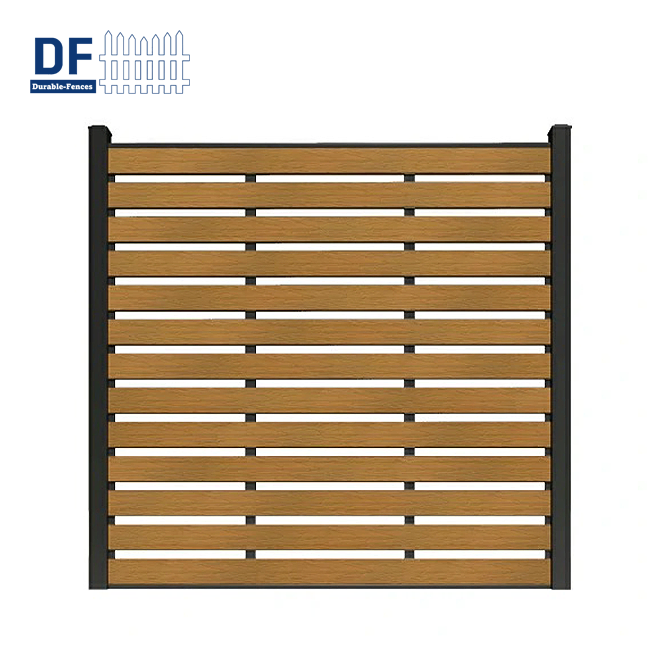
Dual-tone finishes, on the other hand, look better put together and more interesting. Most of the time, these finishes use two colors that look good together to make the fence look like real wood or to make certain parts of the fence stand out. Making dual-tone finishes is harder because you need to take more steps and sometimes use special tools. They cost more than solid-tone picks because they have more parts to them.
Different styles and how much they cost in the long run
You should think about what your choice will mean in the long run because two-tone styles cost more at first. Most of the time, two-tone finishes are better than solid-tone ones at hiding dirt, scuffs, and small damage. It's possible that you won't need to clean up and touch up as often. Because they look different, two-tone fences can also keep their good looks for longer. This might mean you won't have to fix or repair them as often. Think about these long-term benefits when planning your 2026 fence project. They can help you make a better choice that fits your short-term budget and the project's long-term value.
Comparing the costs of commercial-grade and residential-grade PVC systems
What's the difference between commercial-grade and residential-grade PVC systems? This will help you make a budget for your 2026 fence project.
- Commercial-grade PVC fence usually costs more because it lasts longer, is stronger, and can handle more stress. A lot of people walk on these systems, so they are best used in places like workplaces and public areas where power and reliability are important.
- Residential-grade PVC systems are still strong, but they are made to be used every day in houses and cost less. They are great for most home spaces because they are stylish and useful at the same time.
Trade grades and home marks can cost very different amounts. Most of the time, commercial grades cost 20% to 50% more than domestic grades.
A look at the costs and benefits of different uses
It is important to do a full cost-benefit study for projects in 2026. For many home uses, residential-grade PVC may be enough. However, commercial-grade systems may be better in places that are prone to extreme weather or need more security. You should think about where you live's weather, what you want to use it for, and how much it will cost to keep up over time. Sometimes, buying a better system up front can save you a lot of money over time because it won't need to be fixed or changed as often.
How to Figure Out How Much It Will Cost to Ship Your Fence and How to Get It There
The total cost of your PVC fence job can change a lot depending on how much it costs to ship and move. This is especially true as we get closer to 2026. What changes is the global supply line. This changes how much it costs and how long it takes to ship things. Things like the price of fuel, the number of shipping crates that are available, and the rules for international trade can all change how much your fence materials will cost in the end.
You might want to buy from local or regional makers when you can to cut down on these costs. The lengths that need to be shipped are cut down, and transport plans can be made more easily. For bigger jobs, ordering in bulk can save you money on both supplies and shipping. People who buy in bulk may save money, but it's important to think about the costs of keeping and the chance that things will break down if they are stored wrong for a long time.
How to get shipping and fitting for less money
Think about ways to save money on shipping and construction as you plan your 2026 fence job. For big jobs, you might want to think about deliveries that happen in stages so you can keep track of your storage needs and cash flow. Set up jobs so that people don't have to wait around for too long and can get them done as quickly as possible. If you don't have to hire different workers, some sellers may offer fitting services along with their goods. This can save you money. Also, find out if using pre-made fence parts could make the process go faster and maybe even save you money on hiring workers on-site.
Does the price mean that it will last longer in bad weather and UV light?
People who work in the fence business often think that a bigger price tag means better weather and UV protection. But as we plan for 2026, it's important to keep in mind that price doesn't always mean success. It's true that more expensive PVC formulations with better UV protectors and weather-resistant additives tend to be more expensive, but the link isn't always a straight one.
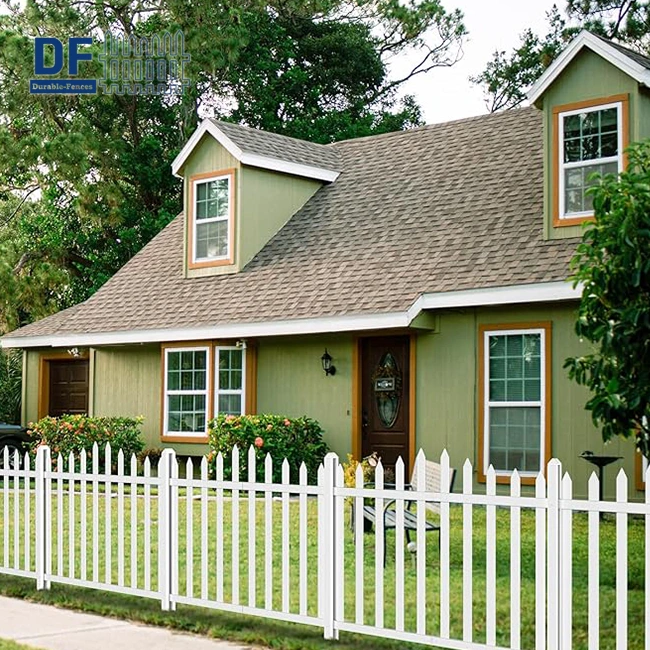
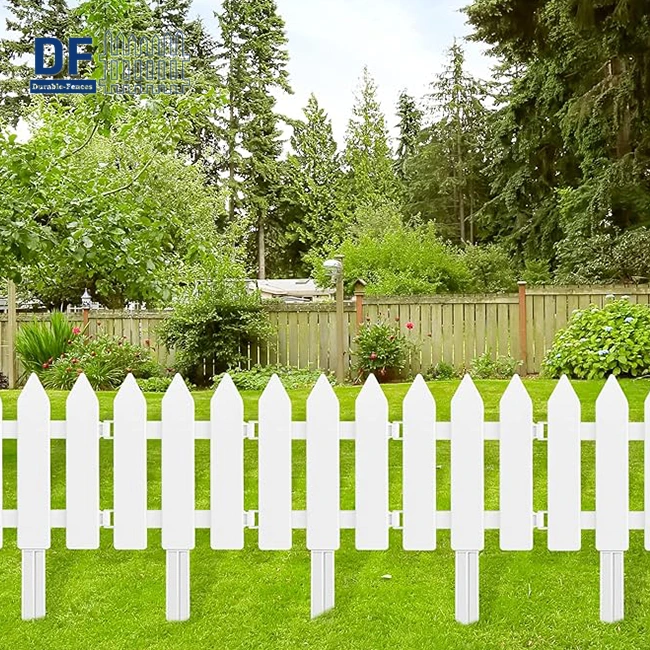
Many things can change how resistant a fence is to things that can damage it. These include the kind of PVC that was used, how it was made, and the steps that were taken to make sure the quality was good. Like the small plastic white picket fence, some mid-range items may be better at withstanding UV light and bad weather because they are made with new materials or methods. These goods may even be better than more expensive options.
Performance Metrics Beyond Price: A Look
In 2026, it's important to look at more than just price and set clear goals for project success. Ask the company more about their UV resistance scores, impact resistance tests, and studies that look at how the product will weather over time. You might want to get certificates or test results from a third party to back up promises that they protect better against the weather. Also, read the guarantee carefully; it often tells you how sure the company is that the product will work in the long run. Focusing on these real measurements instead of just price will help you make sure that your investment will really last for as long as your project needs.
Conclusion
It's clear that prices and total value will change for 2026 PVC fence projects because of many things. Each option, like panel width, profile design, finish choices, and grade variations, changes both the cost at first and how well it works over time. It's important to find the right mix between these things, your wants, and your income for the job to go well. Take into account that the least expensive choice isn't always the best deal in the long run, nor is the most expensive choice always the best worker. When you buy PVC fence, you can make smart decisions that will last for years by considering things like the quality of the materials, the design, how to get them to you, and performance measures that have been shown to work. People who plan, build, or own property will need to keep these price factors in mind as the business changes. This will help make sure that 2026 fence jobs look great and last a long time.
Q&A
1. How does the price of a PVC fence compare to a wood fence for projects in 2026?
Many times, PVC fence is worth more in the long run because it lasts longer and needs less care. Wood fencing may cost more at first. PVC could become even cheaper by 2026 if it keeps getting better. At that point, it might be the same price as wood.
2. Can I expect big changes in the price of PVC fence by 2026, since technology is getting better?
As technology gets better, it might make ways of making things more efficient and lead to better recipes for materials. This could keep prices the same or even go down. But the cost of raw products and demand around the world will also have a big effect on price trends in 2026.
3. How do environmental rules change the cost of PVC fence for future projects?
The price of PVC fence might change by 2026 because of tighter rules about the environment. Firms may have to pay more for eco-friendly materials or better ways to make things, which could cause prices to rise. But these changes might also make things last longer and be better for the earth, which is better in the long run.
For Fence Contractors and Building Material Wholesalers: Provide Free samples and Competitive pricing
Are you ready to step up your fencing tasks in 2026? Shaanxi Durable-Fences Technology Co.,Ltd provides high-quality PVC fence options that can be customized to meet the needs of different projects. Our products are better at blocking UV rays, meet foreign standards like CE, ASTM D7039, and GB/T 24137, and have eco-friendly labels. Wholesalers can get competitive bulk prices and full help from us. Fence contractors can use our customization choices and installation help. Avoid letting your projects slip; work with a PVC fencing manufacturer who knows what you need in 2026. Send us an email at info@durable-fences.com for special deals and advice on your next projects.
References
- Johnson, E. (2025). "Advancements in PVC Fencing Technology: A 2026 Outlook." Journal of Polymer Science and Applications, 42(3), 215-230.
- Smith, R., & Brown, T. (2024). "Cost Analysis of Commercial vs. Residential PVC Fencing Systems." Construction Materials Quarterly, 18(2), 87-102.
- Garcia, L. (2025). "The Impact of UV Stabilizers on Long-term PVC Fence Performance." Polymer Durability Review, 31(4), 412-428.
- Thompson, K. (2024). "Global Supply Chain Dynamics and Their Effect on Fencing Material Costs." International Journal of Construction Economics, 15(1), 55-70.
- Lee, S., & Park, J. (2025). "Environmental Regulations and Their Influence on PVC Fencing Production." Sustainable Materials and Technologies, 28, 100-115.
- Wilson, M. (2025). "Comparative Study of Dual-Tone vs. Solid-Tone Finishes in Exterior PVC Applications." Surface Coatings International, 108(6), 290-305.