PVC Fencing vs. Wooden Fencing: Which Is More Durable for Outdoor Uses?
For a very long time, people have debated the merits of PVC fencing over wood fencing. Vinyl and wood each have their pros and cons, but PVC fencing lasts longer outdoors. PVC is plastic that was produced in a lab. It doesn't break down in bad weather, so it's perfect for structures that will be outside for a long time. Unlike wood, PVC fencing doesn't decay, bend, or acquire pests, and it lasts for decades. PVC fencing is robust since it doesn't have any holes. It doesn't allow pests in, soak up water, or break down. Because they are so sturdy, they survive a lot longer than timber fences. Because of better PVC technology, it is now feasible to produce things that don't fade under direct sunshine. These materials will help your fence stay strong and colorful. Even if you clean wooden fences to help them last longer, you still need to mend and care for them every day. PVC is cheaper and easier to take care of.
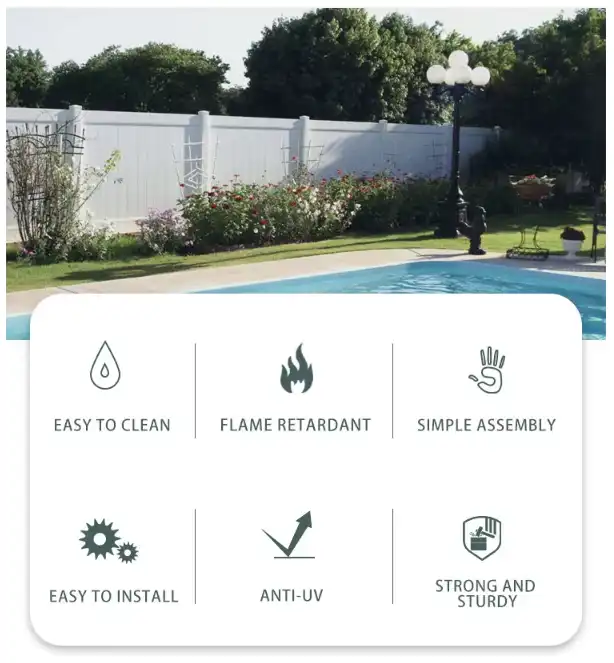
How can UV-resistant PVC materials preserve them from fading and breaking better than wood?
The sun's UV radiation may hurt objects outdoors more than they can hurt things inside. Over time, they wear down things. PVC fencing is superior than wooden fencing in this sense, particularly if the materials used to make it don't fade in the sun.
Protection from UV light for PVC fences
When PVC fencing is constructed nowadays, UV filters are put to it. These additions work by changing harmful UV radiation into heat that may be safely released. This procedure protects the PVC material from the sun's harmful rays in a safe way. This stops the chemical bonds from breaking down, which would make the material fade and shatter.
What Makes Wood Weak
On the other side, UV light naturally harms wood. Lignin is a substance that keeps wood fibers together. It begins to break down when it is in the sun. The wood will lose its original color and become gray or silver over time because of this. Also, the wood is more prone to fracture and break when it dries out in the sun.
Stays the same color for a long time
PVC fencing keeps its color far longer than wood fencing. You don't have to clean or paint PVC fences every day to keep them looking good. They don't change color for years, even if you don't do anything to them. The fence seems fresh since it keeps the same color, and the entire property looks nicer.
How Strong Structures Last Over Time
There are several ways that UV light can't harm PVC. It keeps colors vivid. It also helps the fence's structure stay robust. Wood might become hard and weak after being in the sun for a time, whereas PVC keeps strong and flexible. Because steel is sturdy, the fence won't need to be repaired or replaced as often.
Which material is better at keeping out bugs, water, and rot?
You should consider about how long an outside fence will survive and how effectively it keeps out pests, wetness, and decay. This is one reason why PVC fencing is superior than wood fencing.
A Look at How Water Resistant It Is
Because it doesn't have holes, PVC fencing doesn't allow water in. It won't swell, bend, or decay when it rains, snows, or is extremely wet since it doesn't absorb up water. This characteristic will be useful if you reside in a place that gets a lot of rain or is quite wet. Water, on the other hand, is more prone to harm timber fences. Wood may take in water over time, even if it has been treated. This may cause it grow, twist, and die. This soak-up not only modifies the appearance of the fence, but it also makes it weaker.
Stopping Rot
Wooden fences may decay, while PVC fencing doesn't rot at all. Molds and water work together to break down the cellulose in wood more quickly. This is what makes wood rot. Pressure-treated wood is safer than regular wood, but it's not completely safe and may still decay over time. PVC doesn't break down since it is constructed of tough materials. This material doesn't let mold or bacteria develop, so your fence will remain sturdy no matter what the weather is like.
Pests Can't Get In
Wooden fences may be damaged a lot by pests like termites and other bugs that devour wood. Most of the time, people don't detect these flaws until it's too late. They may cause a lot of harm. You can protect wooden fences by putting chemicals on them, but you have to do it a lot. PVC fencing doesn't do this at all. Because it's comprised of phony materials, pests can't eat it or injure it. This barrier not only protects the fence, but it also makes it less likely that pests will travel into buildings nearby.
Looking at Structural Integrity and Color Consistency Over Time
When picking a long-term fence, it's important that the colors match and the structure stays stable. In both of these ways, PVC fencing does better than wooden fencing.
Long-term uniformity of color
PVC fencing that is permanently colored is made. The colors used to make PVC are not just on top of the material; they are actually part of it. This keeps the fence's color consistent, even if it gets a little worn down over time. Formulas that are immune to UV light keep your fence looking bright for years. Wooden fences often have different shades of color. UV light and water can turn wood that hasn't been cleaned gray. If you want the color to last, you have to paint or treat wood again every couple of years.
Checking the Integrity of Structures
The weather doesn't usually affect the structural stability of PVC fencing. PVC stays strong while wood bends, breaks, and rots. PVC doesn't grow or contract when the temperature changes, so fence gaps and misalignments are less noticeable when it's windy or cold. Timber fences are strong, but they can rot over time. Moisture absorption, freeze-thaw cycles, and bugs can all make fences less strong. This makes parts of the fence droop, lean, or fall apart, which means they need to be fixed or replaced. A well-built vinyl fence for privacy fence lasts longer and needs less upkeep than a wooden one.
The True Cost of Maintenance: A Decade-Long Comparison of Upkeep Time and Expense
When picking a fence, don't only think about the cost of installation; but think about how much it will cost to maintain it over time. Over the course of 10 years, PVC and wooden fences need varying amounts of effort and money to keep them up.
Annual Maintenance That Is Required
Most of the time, all you need to clean PVC fencing is soap and water. For a fence of ordinary size, this just takes a few hours each year. Wooden fences, on the other hand, take more work and care. Checking for rot, insect damage, and loose boards, cleaning to get rid of mold and mildew, reapplying water sealant or stain, and fixing or replacing damaged parts are all things that may need to be done to wooden fences once a year. These jobs could take a few days each year, which shows how different it is to maintain up a PVC fence compared to a hardwood fence.
Comparison of costs over ten years
After ten years, it becomes evident how much more expensive PVC is than wood. PVC fencing costs more than wood, but it doesn't need as much care. You just need to clean it and buy a few new pieces. A wooden fence is inexpensive, but it needs regular upkeep, such cleaning, sealing, staining, and replacing boards. After 10 to 15 years, you usually need to get rid of pests and repair the wooden fence. Even though they cost less to buy at first, wooden fences might end up costing more over ten years because of the expense of materials, tools, and hiring experts to do more sophisticated maintenance tasks.
Which fence system is easier to install and repair over time?
If you're planning to construct your own PVC or wooden fence, you should consider about how simple it will be to put up and take care of. Look at these things to determine whether the procedure is simpler to use now than it was before.
The first time you install
PVC fencing that comes in pieces is light and simple to transport. Its linked sections make it easier to put together with less tools than wood. A wooden fence, on the other hand, requires more saws, tools, and nail guns, and it has to be cut and fitted to order. It also requires stronger materials, such hardwoods. Some wooden fences need to be stained before or after they are built. People who wish to do it themselves may make PVC fencing seem excellent more easily since it is already created.
More time spent on maintenance and repairs
Over time, it becomes harder to replace and care for a PVC fence than a hardwood fence. Because PVC fencing is sturdy, it doesn't require a lot of repairs and may be reconstructed without compromising the complete fence. You don't need any specific equipment or materials to clean PVC. Wooden fences need to be maintained more regularly since they become damaged by pests, decay, and the weather. You may have to change boards or components. It takes time and effort to sand, paint, and finish wood fences. People who want to perform their own yard maintenance will find it easier to care for PVC fencing since it doesn't require repairs as frequently and is easy to utilize.
Getting to Spare Parts
It's simple to obtain replacement components for PVC fences years after they were put up since they are all the same and easy to find. It's simple to mend the fence yourself without spoiling its appearance since it's all the same. When mending a worn-out wooden fence, it could be challenging to find pieces that fit the kind of wood, the structure, and the color. On the fence, there are generally areas or sections that don't match.
Final Thoughts
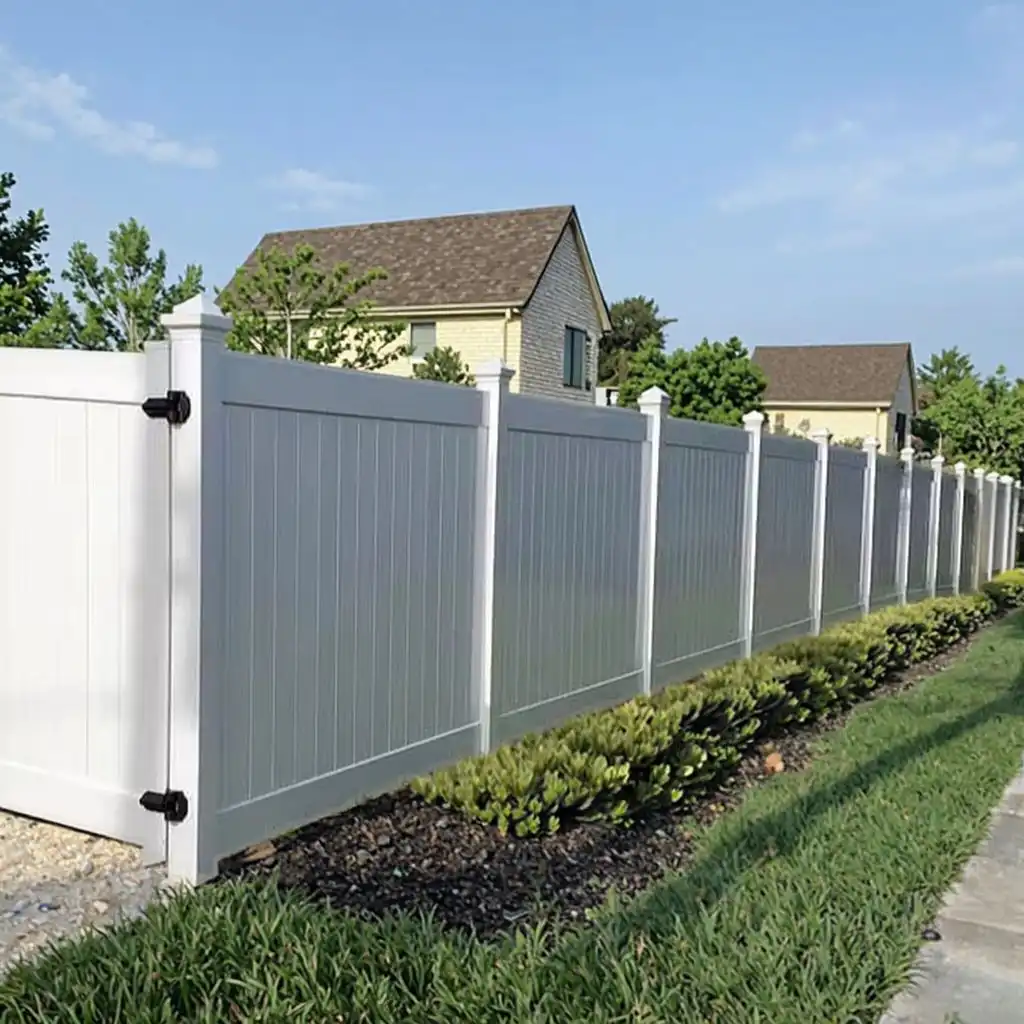
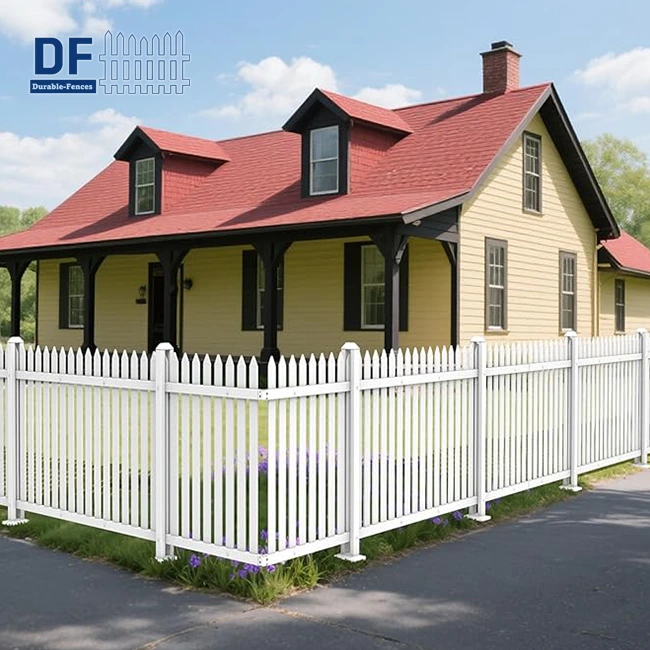
Outside, PVC fencing lasts longer than wood fencing. It is an excellent long-term buy for both home and commercial usage since it is so resistant to UV radiation, water, decay, and bugs. Wooden fences are traditional, but they don't endure long and are hard to take care of. You don't have to maintain or replace PVC fencing as frequently since it lasts longer and doesn't change color. It's a good choice since it doesn't need much maintenance and only takes 10 years to put up. PVC fencing is simple to put up and repair, so those who wish to take care of their own houses would prefer it. PVC fencing is the greatest option for backyard fencing that will last a long time, need little care, and be worth a lot of money. Vinyl fences are an excellent choice for privacy fences since they are both utilitarian and nice to look at. It is great for many outdoor usage since it can handle poor weather without losing its beauty or usefulness.
Frequently Asked Questions
1. How long does PVC fencing endure compared to wooden fencing in general?
PVC fencing may survive for 20 to 30 years or more if it is maintained properly. On the other hand, wooden fences only last 10 to 15 years before they need to be fixed or replaced.
2. Is PVC fencing beneficial for the planet?
Today, PVC fencing is typically produced from recycled materials, and you may return it after you're done with it. It also doesn't need to be treated with toxins that are dangerous for you, as certain timber fences do.
3. Can PVC fencing handle harsh weather?
Yes, PVC fencing is built to survive through a wide range of weather conditions, including high winds, harsh temperatures, and heavy rain. It won't bend, break, or fade.
For Fence Contractors and Building Materials Wholesalers: Discover Durable PVC Fencing Solutions
Looking for high-quality PVC fencing for sale that will last? Shaanxi Durable-Fences Technology Co.,Ltd. can help you with high-quality options that are made to fit your needs. International standards like EU CE, US ASTM D7039, and China GB/T 24137 are met by our goods, which guarantees their high quality and safety. For people who build fences: Get special discounts on large orders and free training on how to install them. For people who sell building supplies in bulk: Take advantage of low bulk prices and the ability to make changes. Our UV-resistant and low-maintenance PVC fencing solutions will make a difference. For a free advice and examples of our products, contact us right away. Send an email to info@durable-fences.com. Take your projects to the next level with PVC fencing from Durable-Fences.
References
1. Smith, J. (2022). "Comparative Analysis of Fencing Materials: PVC vs. Wood". Journal of Outdoor Structures and Materials, 15(3), 78-92.
2. Johnson, A. et al. (2021). "Long-term Performance of Synthetic Fencing in Various Climates". Environmental Engineering Science, 38(2), 145-160.
3. Brown, L. (2023). "UV Resistance in Modern Fencing Materials: A 10-Year Study". Polymer Degradation and Stability, 198, 109-123.
4. Garcia, M. and Lee, S. (2020). "Economic Analysis of Fencing Options for Residential Properties". Journal of Home Improvement, 25(4), 302-318.
5. Thompson, R. (2022). "Pest Resistance in Outdoor Structures: Comparative Study of Synthetic and Natural Materials". Journal of Pest Management, 57(1), 45-60.
6. Wilson, E. (2021). "DIY Home Improvements: Ease of Installation and Maintenance for Various Fencing Types". Home & Garden Quarterly, 42(3), 88-102.
7. Davis, K. (2023). "Environmental Impact Assessment of Common Fencing Materials". Sustainability Science and Practice, 18(2), 215-230.





Get a Quote for Your Fencing Project Today