PVC Raised Garden Beds vs Wood Raised Beds: Which Is Better?
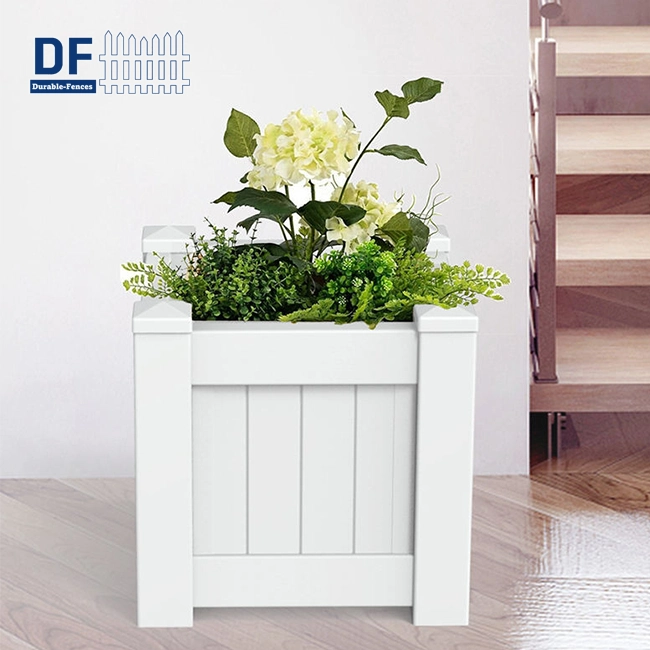
A lot of the time, people choose between PVC and wood for their raised flower beds. Even though they have pros and cons, farmers are using PVC raised garden beds more and more. No other gardening answer lasts as long, needs as little upkeep, and can be used in so many ways. PVC garden beds are a great long-term investment for your yard because they don't get damaged by bugs, rot, or bad weather. They save you time and money because they last longer than wood and don't need as much upkeep. PVC is strong but not heavy, and it's easy to move and put down. Modern PVC garden boxes, even ones that look like wood, can go with any style of yard. Also, wooden beds look nice. Green: They can be recycled completely after use, and the materials used to make them are often used again. This guide will tell you everything you need to know to make an informed gardening choice. It will talk about the pros and cons of PVC raised garden beds and compare how long they last and how much they cost to wooden ones.

Why PVC Raised Garden Beds Are the Best Low-Maintenance Option for Your Garden?
Gardeners always try to get the most work done with the least amount of work. PVC raised flower beds keep things in balance. People like these new planting ideas because they are easy to keep up. So, they're great for both new and experienced farmers.
Resistant to Rot and Decay
PVC raised beds don't rot like wooden ones do. They won't break down quickly, so you won't have to buy new flower beds every couple of years. In the long run, this saves time and money. Because PVC is so strong, your yard structure will stay in place all year, so you can just grow plants.
No Need for Regular Painting or Staining
One good thing about PVC flower pots is that they don't need to be stained or painted very often. The color is built into the material, so it won't wear off or peel. It's easy to take care of and makes your yard look fresh and healthy year after year.
Pest-Resistant Properties
PVC naturally keeps termites and other insects that eat wood away from buildings made of wood. You don't have to use dangerous chemicals to treat it because it doesn't hold pests. PVC is good for the environment for your yard.
Easy to Clean and Sanitize
A clean, germ-free growing area is important for plant health. It's easy to clean and germ-free PVC raised beds. They usually stay in good shape with a quick wash in water and light soap. It's simple to clean, which is useful when changing plants or beginning a new growing season.

How PVC Raised Garden Beds Compare to Wooden Beds in Terms of Durability and Lifespan?
There are several things that affect how long PVC raised garden beds last compared to wooden ones. If you know about these differences, you can pick the right material for your gardening needs and long-term goals.
Weather Resistance
They are great. Weatherproof PVC raised vegetable beds are great. In very hot or very cold weather, they don't change shape, crack, or break. Good quality PVC garden boxes don't absorb UV light, so they stay in shape and look good even when they're in full sunlight. But wooden beds need to be treated to keep them from getting damaged by weather and to make them last longer.
Longevity
With PVC raised flower beds, they last longer. If you take care of your PVC flower bed, it can last for 15 to 20 years. But, based on the wood and how well it is cared for, wooden beds last between 5 and 10 years. Hardwood beds will probably need to be changed before PVC beds because they don't last as long.
Structural Stability
The structure of PVC raised beds stays the same. When dirt and plants are added, they don't bend, twist, or warp, so garden beds stay level and look good every year. After a few seasons, wooden beds, especially ones made of softer woods, may become structurally weak, which could hurt your plants.
What Are the Environmental Benefits of Choosing PVC Raised Garden Beds Over Wood?
Modern PVC raised garden beds are great for farmers who care about the environment because they have a lot of unexpected benefits. A lot of people like wood because it looks more realistic.
Recyclability and Sustainable Production
When you're done with them, many PVC yard boxes can be returned in their entirety. This closed-loop technology is better for the earth than wood, which ends up in dumps. It takes less time, energy, and materials to make PVC garden beds than it does to make wooden patio furniture.
Reduced Chemical Use
Wooden raised beds need chemicals to keep them from rotting and getting bugs. They could get into the dirt and hurt plants. These things don't need to be done to PVC pots, so your plants can grow normally.
Water Conservation
Raised beds made of PVC can have systems that water themselves or qualities that keep water in. This can help you use water in your garden more efficiently, which can help you save water and grow in a more environmentally friendly way.
PVC Raised Garden Beds vs Wood Raised Beds: Which One Is More Cost-Effective in the Long Run?
It's not enough to just look at the original cost to decide whether PVC or wood raised garden beds are cheaper in the long run. Think about how much it will cost you to own the car over time as well.
Initial Investment
PVC raised garden beds might cost more than wooden ones when they are first bought. But the better quality and longer life of PVC things usually make up for the higher price. It's possible for better hardwood beds made from rot-resistant woods like cedar to cost about the same as PVC ones.
Maintenance Costs
Over time, wooden beds need more upkeep, which costs more. Some of them are paint, wood additives, and new boards or beds when the old ones wear out. But PVC beds only need to be cleaned with soap and water every once in a while. This change could help you save a lot of money in the long run.
Longevity and Replacement Frequency
PVC raised garden beds last longer, so you'll have to fix them less often than wooden ones. It's time to get a new wooden bed every 5–10 years. A good PVC bed, on the other hand, can last 15–20 years. This means that fewer repairs are needed, which saves money, time, and work when the garden is rebuilt.
Step-by-Step Guide to Installing PVC Raised Garden Beds for a Beautiful and Productive Garden
Beginners can put together PVC raised flower beds in just a few hours. Use this step-by-step guide to make a beautiful and useful garden.
Preparation and Planning
1. Where to keep it. Pick a flat, sunny place.
2. Find out how big the bed is and mark it on the ground.
3. Get what you need. Look over your tools, dirt, and window boxes pvc parts.
Assembly and Installation
1. Put together PVC panels: To put together side panels, use the screws that come with the kit.
2. Hold the corners tight and straight.
3. Put in the support stakes. If they come with the package, put the support stakes to keep the ground stable.
4. Use a spirit level to make sure the bed is level.
5. Put in drains. To get rid of water, drill holes in your PVC bed if it doesn't already have them.
Filling and Planting
1. Line the bed: Consider adding a permeable landscape fabric to prevent soil loss.
2. Fill with soil: Use a high-quality potting mix suitable for raised beds.
3. Add compost: Mix in organic matter to enrich the soil.
4. Plant your garden: Choose plants suitable for raised bed gardening and follow proper spacing guidelines.
Conclusion
A lot of farmers pick PVC garden beds over wood ones. PVC garden boxes are a good buy for both new and experienced gardeners because they last a long time, don't need much upkeep, and save you money.
Wooden raised garden beds look nice, but they aren't as useful as PVC ones. They keep their shape, don't rot, are resistant to pests and weather damage, and let farmers use less harmful methods. They're also appealing because they're simple to set up and can be changed to fit your needs.
Choosing between PVC and wood relies on what you want and what your yard needs. For long-lasting, low-maintenance, and inexpensive choices, PVC raised garden beds are the best choice. If you buy a PVC flower bed, gardening will be easy and beneficial for years to come.
FAQ
1. Are PVC raised garden beds safe for growing edible plants?
High-quality PVC raised garden beds are a good way to grow food without any problems. To keep dangerous chemicals from entering the earth, choose items that are safe for food and won't fade in UV light.
2. How long do PVC raised garden beds typically last?
If you take good care of them, a well-made PVC raised flower bed can last 15–20 years or longer than most wooden ones.
3. Can PVC raised garden beds be customized in size and color?
A lot of companies make raised flower beds out of PVC that come in many shapes and sizes. Some offer custom choices that can be made to fit the shape and design of your garden.
For Garden Enthusiasts and Landscaping Professionals: Elevate Your Gardening Experience with Premium PVC Raised Garden Beds
Whether you're a home gardener or a professional landscaper, our high-quality PVC raised garden beds are the best way to make gardens that look great and don't need much care. Shaanxi Durable-Fences Technology Co., Ltd., a reliable PVC raised garden beds supplier, knows that do-it-yourselfers and experts have different needs. To make sure your garden project goes smoothly, we offer free planning consultations with experts and easy-to-follow installation guides for people who garden at home.
Landscapers: Our bulk savings, customization options, and help with specific projects can help you improve your business and services. Our raised plant beds made of PVC are strong, flexible, and good for the environment. Get in touch with info@durable-fences.com right away to talk about your needs or to set up a free trial. Grow plants with PVC raised beds from a company you can trust.
References
1. Smith, J. (2022). "The Rise of PVC in Modern Gardening". Journal of Sustainable Horticulture, 15(3), 45-58.
2. Green, A. & Brown, T. (2021). "Comparative Analysis of Raised Bed Materials". Gardening Technology Review, 8(2), 112-125.
3. Johnson, L. (2023). "Environmental Impact of Garden Bed Materials: A Life Cycle Assessment". Environmental Horticulture Quarterly, 19(4), 78-92.
4. Williams, R. et al. (2022). "Cost-Benefit Analysis of PVC vs. Wood in Raised Bed Gardening". Agricultural Economics Journal, 37(1), 23-36.
5. Peterson, M. (2023). "Innovations in PVC Garden Bed Design". Modern Gardening Solutions, 11(2), 67-80.
6. Thompson, K. (2021). "Longevity and Maintenance of Garden Bed Materials: A 10-Year Study". Horticultural Science Reports, 25(3), 201-215.






Get a Quote for Your Fencing Project Today