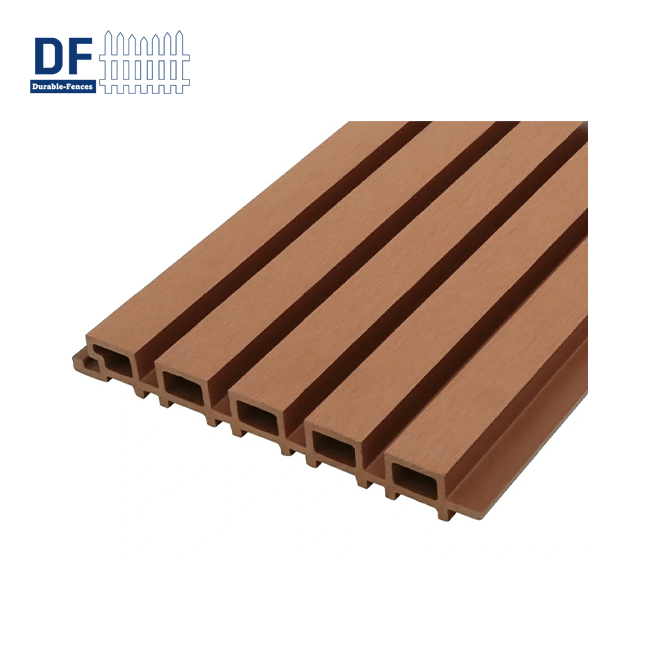
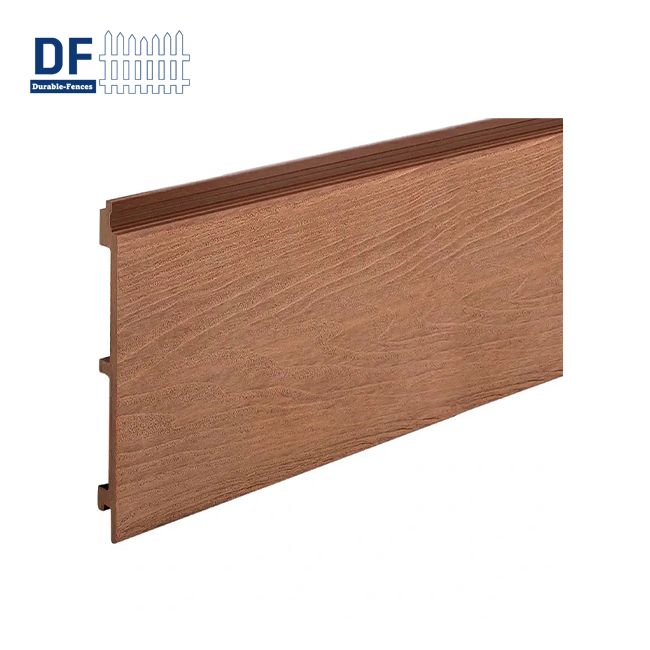
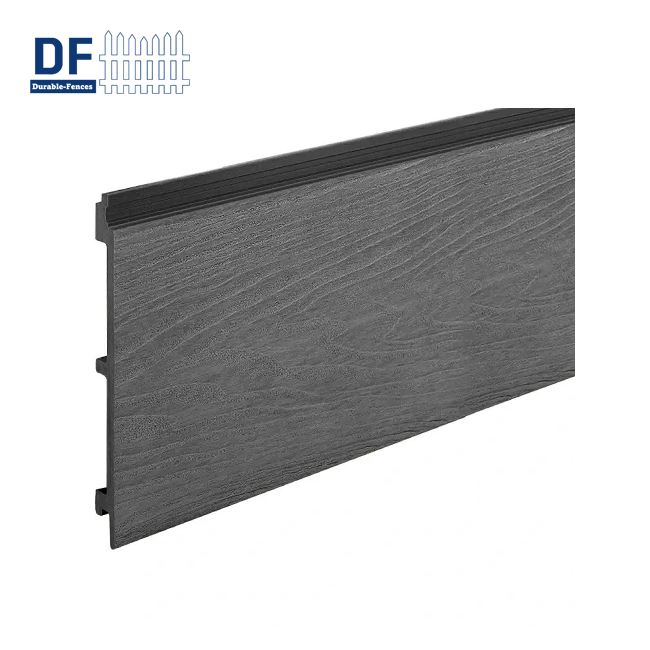
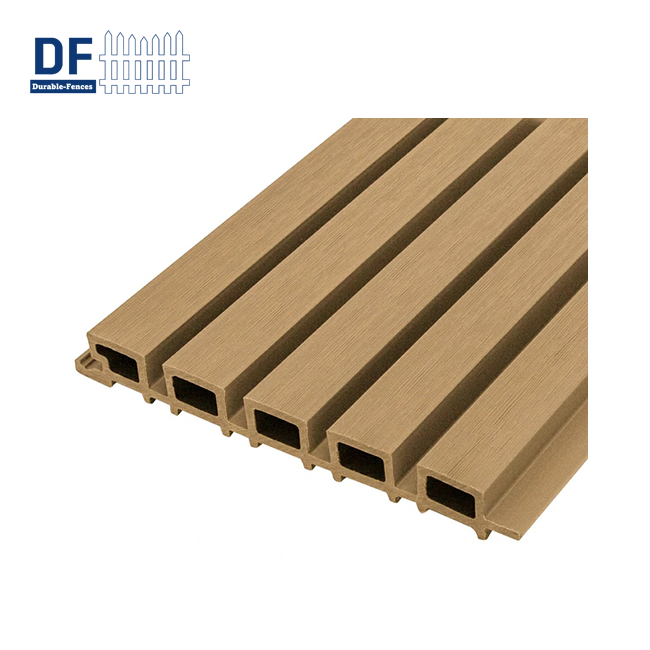
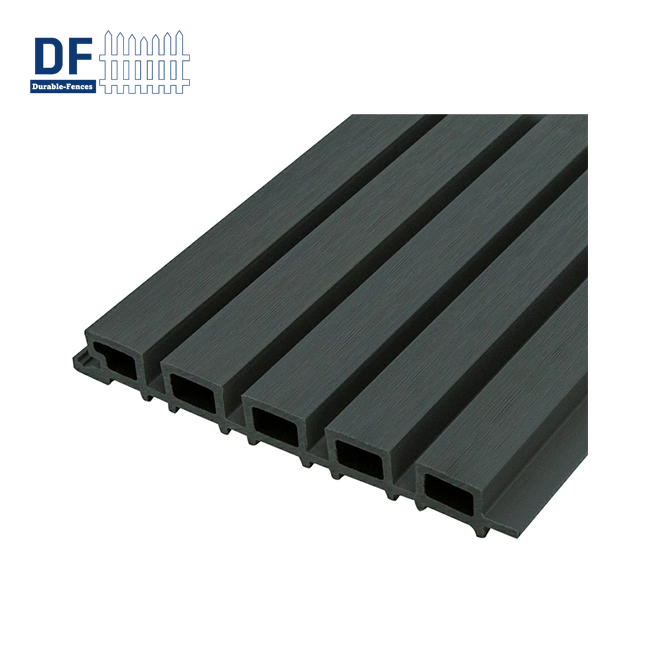
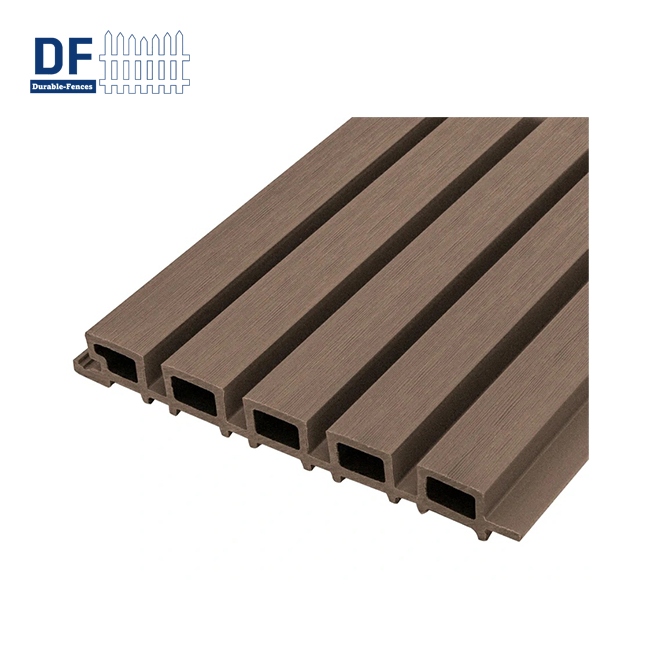
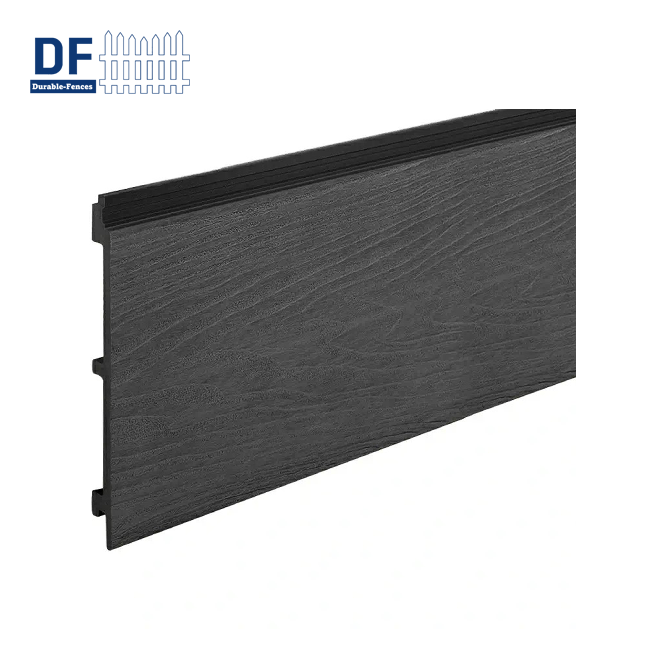
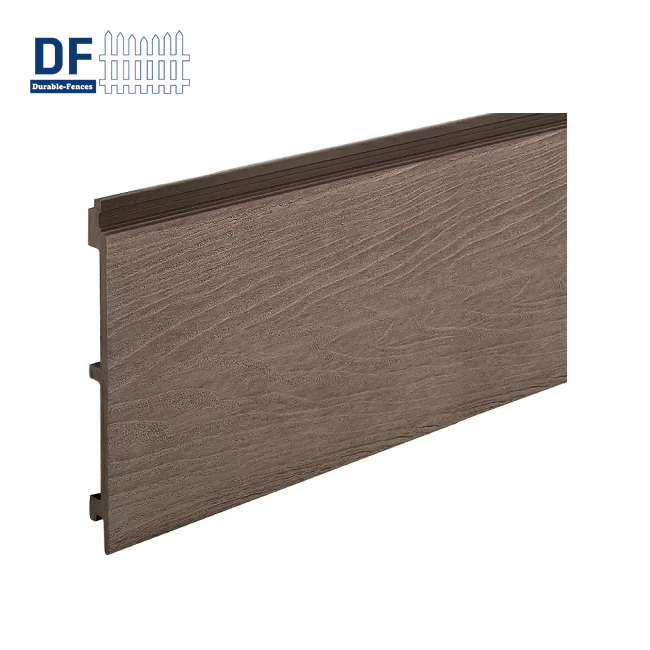
Why WPC Cladding Is the Ideal Choice for Long-Lasting Outdoor Exteriors?
WPC siding is the ideal option to go with if you want your outside to withstand the test of time and look excellent for a long time. Although wood does not deteriorate, shatter, or bend over time, WPC flooring does all of these things. It will continue to look good for a very long time as a result of this. Additionally, options like 3D wood panel walls enhance the aesthetic appeal. Because it is constructed out of a variety of materials, it is robust enough to withstand extreme temperatures without breaking.
One of the many advantages of WPC flooring is that it does not alter its color or shape over time. Although wood-polymer composite (WPC) siding does not deteriorate as quickly as wood paneling does, it does require periodic painting or staining. When the colors of the building remain the same, the amount of time and money spent on maintenance is reduced. The beauty of it is also preserved.
Superior Resistance to Environmental Factors
As a result of the construction process, WPC flooring is able to withstand conditions that might otherwise cause harm to wood. Due to the fact that it does not absorb water, it prevents the wood covering from becoming swelled, twisted, and moldy. Because it is not damaged by water, WPC flooring is an excellent choice for locations that are moist or humid.
When it comes to shielding ultraviolet radiation, WPC flooring is superior to wood. In order to prevent the wood veneer from deteriorating or fading while exposed to the sun, new resins have been developed. Even in areas that receive a great deal of sunlight, the siding's color and shape are preserved because it is able to block ultraviolet light.

How WPC Cladding Compares to Wood in Terms of Weather Resistance and Maintenance?
It's not at all the same when it comes to how well they weather and how easy they are to keep up. Wood may look nice, but the weather can hurt it. When the air is wet, things can get bigger, bend, and rot. No matter what the weather is like, WPC flooring is made to stay in shape and not get wet.
Wet-formed plastic (WPC) siding is easier to clean than wood. You need to paint or polish real wood floors every two years, keep them from getting wet, and fix them if they crack or rot. WPC flooring doesn't need to be cleaned very often. This part that doesn't need much care saves you time and money when you paint the outside.
Long-Term Performance and Cost-Effectiveness
WPC flooring is worth the money because it lasts a long time. Wood siding costs less than WPC siding, but WPC siding works better and lasts longer, so it saves you money in the long run. A few years may be enough time to fix or replace wood siding, but WPC cladding should last for decades. This makes it a good choice for builders and houses.
It doesn't matter what weather WPC siding is in, it will still work the same way. Cladding made of wood-plastic composite (WPC) lasts a long time and looks good in places where the air is salty, humid, and cold and hot temperatures change quickly.
What Makes WPC Cladding a More Sustainable and Eco-Friendly Option Than Wood?
WPC siding is better for the earth and lasts longer than wood siding in many ways. WPC materials are made from plastics and wood fibers that have been used before. This means that less trash and things that can't be used again end up in dumps. When you recycle, you help protect natural resources and cut down on the carbon dioxide that is released when siding is made.
Because it lasts longer, WPC siding is better for the earth. Wood cladding needs to be changed more often, but WPC lasts longer and doesn't need to be replaced as often. Durable buildings last longer, which means they break down less and harm the earth less.
Reduced Deforestation and Chemical Usage
Wood paneling helps keep more trees from being cut down than WPC siding does. Waste and used items are put together to make WPC. This is good for the trees and makes less wood needed. It can be used instead of wood if you don't want to use chemicals to keep it from rotting and getting bugs. Cutting down on chemicals is good for the land and the people who live in buildings.
WPC Cladding vs Wood Cladding: Which Provides Better Protection Against Rot and Termites?
WPC siding is better than wood covering if you want to keep termites and rot away. Pests can easily eat wood because it breaks down quickly when it's wet. It costs a lot to fix or buy new wood covers when they break. Options like 3D Wood Textured Wall Panels provide an attractive alternative while also offering durability. It can stand up to bugs and wear and tear because it's made of two different materials: plastic and wood.
The WPC layer won't break down because water can't get into the plastic part. Also, termites don't like WPC flooring because it doesn't have any organic materials in it, like cellulose. The inside and outside of the building are both safe because of this pushback.
Long-Term Structural Integrity
The building will last a long time because the WPC siding doesn't break down or let bugs in. You don't have to treat or check WPC siding as often as you do wood cladding. It stays strong and lasts a long time. Building owners save money on upkeep costs and feel safe knowing that these common threats can't get to the outside of the building because it works.
Top Benefits of WPC Cladding for Modern Home Exteriors
For the outside of modern homes, WPC flooring is a great choice because it has so many good points. Because of its shape, you can use a lot of different styles and materials, from old-growth wood to current color schemes and everything in between. Because it is so flexible, anyone can use it to build any kind of house they want. It also lasts a long time and doesn't need much maintenance.
WPC flooring also keeps heat in, which is a good thing. It can be cheaper to heat and cool your home if you use insulation to keep the temperature stable. Putting WPC flooring all the way around a house makes it less likely for air to leak out and heat to move between rooms.
Enhanced Curb Appeal and Property Value
If you put WPC cladding on your house, it will look better for longer. This makes it more useful and interesting to look at. It can last for many years and doesn't need to be kept like wood cladding does. Putting WPC siding on your house will help you keep it and make it worth more. For a long time, it looks great. Because it could make people want to buy the house more, which would make it worth more.
Conclusion
The outside of modern homes looks better with WPC siding because it is more helpful, better for the environment, and lasts longer. You don't have to do much to keep it in good shape, and it's cheap in the long run. These are good options for people who want a replacement to siding that looks better and lasts longer. Wood cladding looks nice to many people, but wood plastic composite (WPC) is a better choice for homes because it doesn't rot or attract termites, is flexible, and is better for the environment. WPC siding is a new type of building material that can make the outside of a building look great and last a long time.
FAQ
1. How long does WPC cladding typically last compared to wood cladding?
If you take good care of it, WPC siding can last 25 to 30 years or even longer. Depending on the weather and how well you take care of your wood siding, you may need to repair it or fix it up a lot every 10 to 15 years.
2. Is WPC cladding more expensive than wood cladding?
At first, WPC siding may cost more than wood siding. In the long run, WPC siding generally costs less because it lasts longer and doesn't need as many repairs or keep up.
3. Can WPC cladding be painted or stained like wood cladding?
You don't have to paint or stain WPC siding, but you can if you want to. Wood-plastic composite (WPC) siding doesn't need to be finished or painted again before it can be used.
For Homeowners and Contractors: Experience the Durability of Premium WPC Cladding
Are you ready to improve your outdoor projects with WPC cladding? It will never end. Just let them know what you'd like to be changed about the good WPC siding from Shaanxi Durable-Fences Technology Co.,Ltd. The weather doesn't damage our products as much as wood panels does, and they still look good after a while. For people who own their own homes, you can get free help making changes to the outside of your home and have professionals make the changes.
Contractors can get more done when they buy in bulk, get help with their work, and finish quickly. Quality is always better than how long something lasts. Send us an email at info@durable-fences.com right now to talk about or see examples of WPC siding. If you hire a good WPC Cladding manufacturer for your next project, you will see a change.
References
1. Johnson, A. (2022). "Comparative Analysis of Exterior Cladding Materials: WPC vs. Traditional Wood." Journal of Sustainable Building Materials, 15(3), 78-92.
2. Smith, R. & Brown, T. (2021). "Long-term Performance Evaluation of Wood Plastic Composite Cladding in Various Climate Zones." Building and Environment, 182, 107018.
3. Environmental Protection Agency. (2023). "Life Cycle Assessment of Exterior Cladding Materials." EPA Technical Report Series.
4. Zhang, L., et al. (2020). "Weathering Resistance of Wood Plastic Composites: A Comprehensive Review." Composites Part B: Engineering, 192, 107990.
5. National Association of Home Builders. (2022). "Trends in Exterior Cladding Materials for Residential Construction." NAHB Research Center Report.
6. Green Building Council. (2023). "Sustainability Ratings for Exterior Building Materials." LEED Certification Guidelines.