WPC Fences vs PVC Fences: Which Provides Better Durability?
WPC (Wood-Plastic Composite) and PVC (Polyvinyl Chloride) fences are often compared when people want a strong fence for their yard. WPC and PVC are both good for fences, but WPC railings last longer. Vinyl fences made of wood and plastic don't fade or fall apart over time. They are strong and look great. Also, they don't need any care. A lot of people choose WPC fences for their homes and businesses, especially in hot and humid places. A PVC fence is cheap and easy to set up. A WPC fence, on the other hand, is stronger, looks more like wood, and is less likely to bend or break. What makes WPC fences last longer? We'll look at that and why they're quickly becoming the most popular choice for outdoor fencing.
Why WPC Fences Are Becoming the Go-To Choice for Long-Lasting Outdoor Fencing?
WPC fences are becoming more popular for use outside for a good reason. These new materials are good for people who want something strong and beautiful. Figure out what's making this trend happen:
Superior Weather Resistance
People like WPC fences because they can handle all kinds of weather. When it gets cold, wood or PVC fences can become weak, but WPC fences don't bend, rot, or break. When the weather changes a lot, it rains a lot, or the sun is very strong, this defense works really well.
Low Maintenance Requirements
People who own homes or handle properties like WPC fence because it doesn't need much maintenance. WPC fences don't need to be painted or treated like wood fences do to keep their color and shape. A simple wash with soap and water is often enough to keep these fences looking good. No need to spend time or money on repairs now.
Eco-Friendly Appeal
WPC fences are liked by eco-friendly people because they are good for the earth. WPC goods are often made from recycled plastics and wood fibers mixed together. WPC fences are better for the earth than wood or synthetic fences because they use less trash and new wood.
Versatility in Design
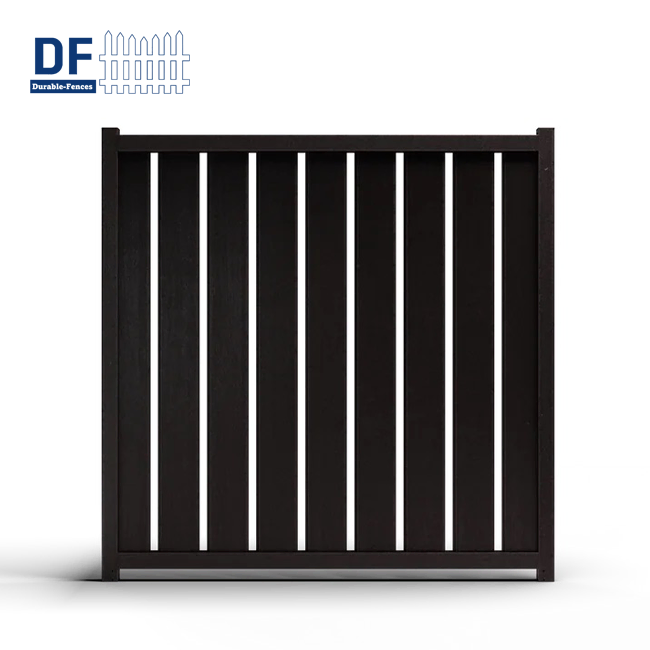
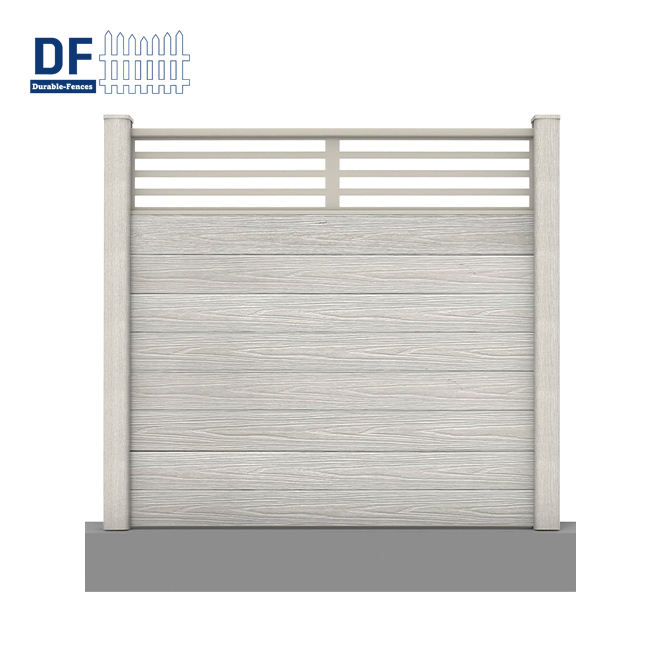
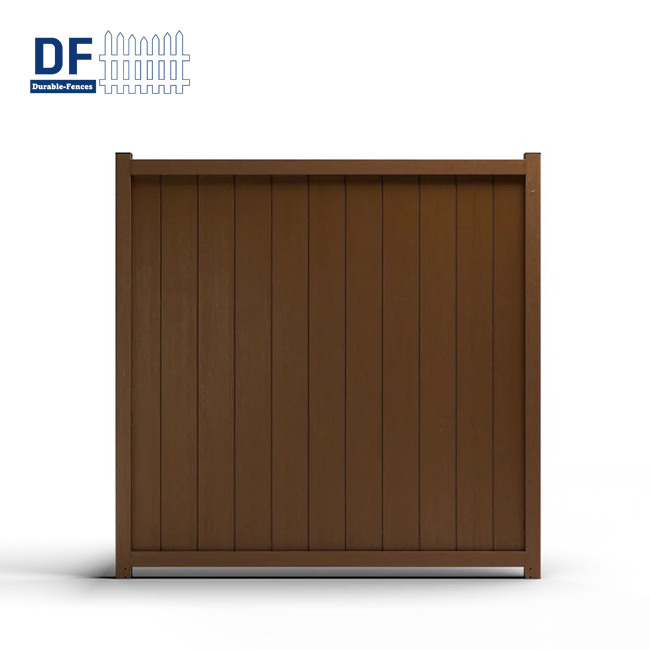
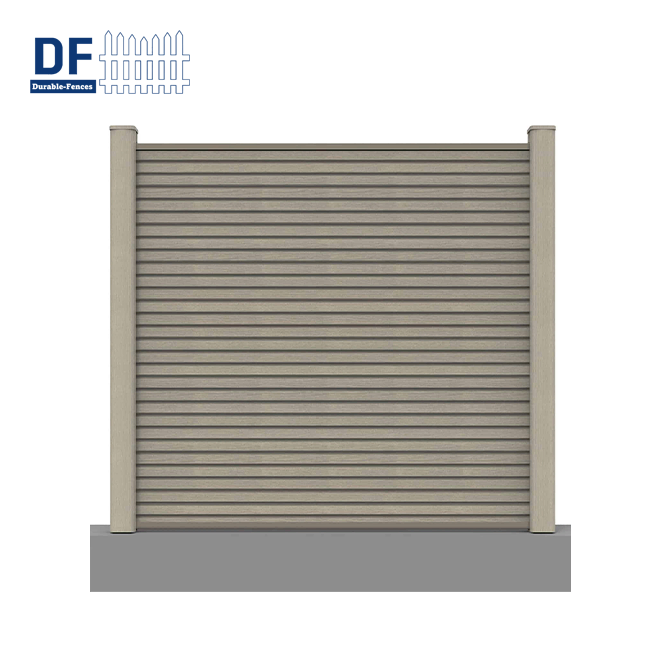
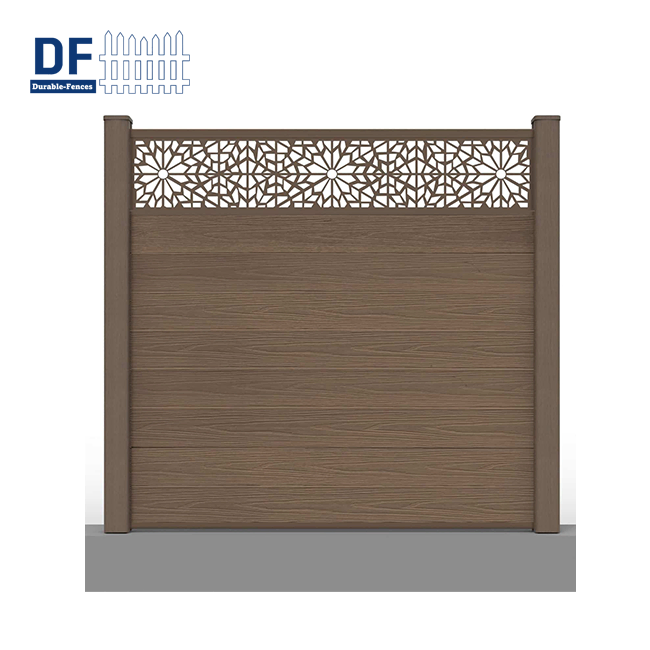
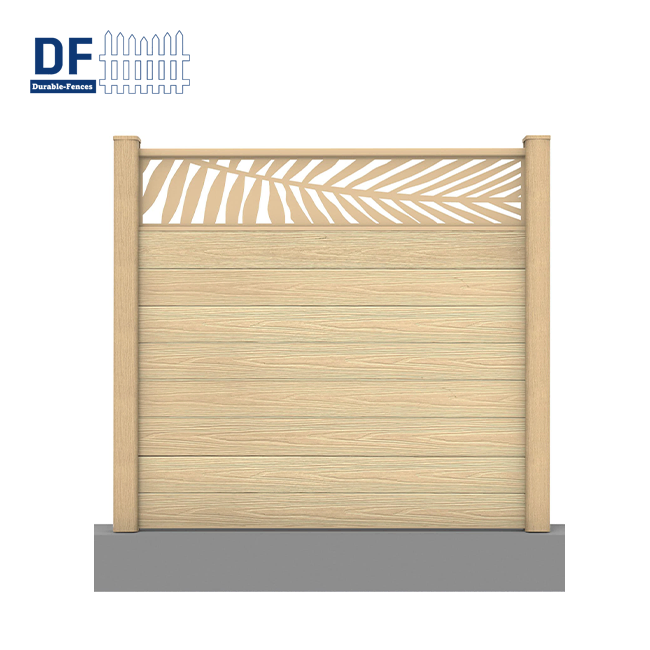
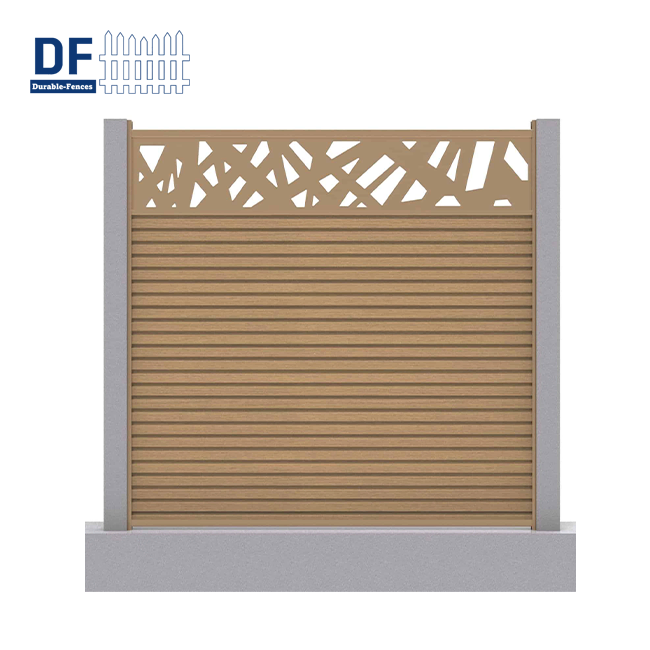
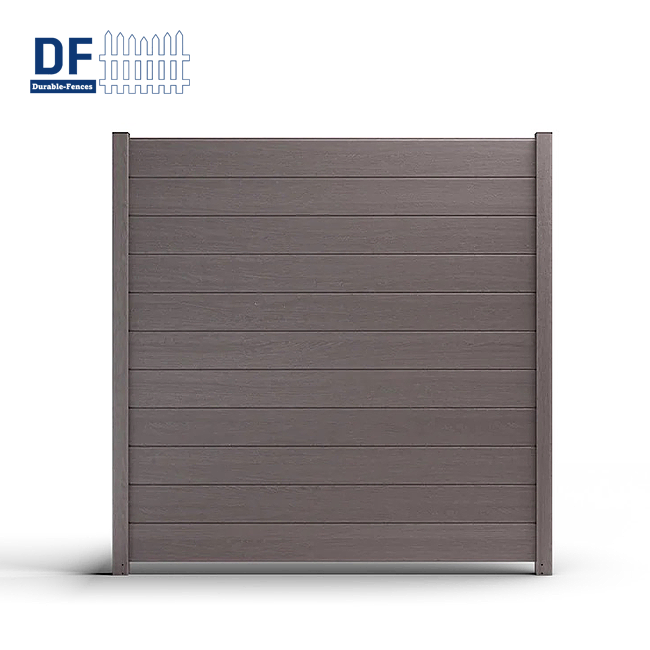
Because they are flexible, WPC materials can be used in many different ways to match different architectural styles. It is possible to make vertical composite fence panels have textures that look like wood. They also come in a lot of different colors that can match your outdoor decor or give your home a unique look.

How PVC Fences Perform in Harsh Weather Conditions Compared to WPC Fences?
Some things can stop a PVC or WPC fence from working well when it's raining or snowing. Of these two types of fences, both are better than wood ones when it comes to bad weather:
Temperature Fluctuations
Temperature can change PVC fences. A cold object can crack or break PVC. The form of PVC will change over time because it may melt and shrink when it's very hot outside. It is better for WPC fences to keep heat inside. Timber-based WPC fences stay in shape because they don't break. Plus, they stay strong even when the weather changes.
UV Resistance
No UV damage happens to PVC or WPC fences, but they don't last as long either. If you leave PVC fences with lighter colors out in the sun for a long time, they may fade and chalk. Without UV filters, WPC fences will lose their color and shape faster. There is a greater chance that WPC will not dry out and break since it is made from real wood fibers.
Moisture and Humidity
A bigger difference can be seen between PVC and WPC fences when it rains a lot and is hot. Soaking up water can make PVC twist or swell, even though it doesn't let water in. Sealing or closing WPC fences helps keep water away. WPC isn't as susceptible to water absorption because it's made of different materials. Mold and mildew can't grow on it, and the building lasts longer.
Wind Resistance
If they are not built right, strong winds can hurt both types of fences. Because they are stronger and can hold more weight, WPC fences usually work better than PVC fences. When there is strong wind, the pieces of a vertical composite fence don't bend or shake. This makes the fence more stable. A tough personality is useful near water or in places that get a lot of storms.
What Makes WPC Fences More Resistant to Wear and Tear Than PVC Fences?
Because they are made differently and are made of different materials, WPC fences last longer than PVC fences:
Material Composition
Mixing wood fibers with thermoplastics like polyethylene or polypropylene makes up WPC fences. For this item, the best parts of both are used together. Wood fibers and plastic make it strong and stiff. The threads stay together because of the plastic. These two materials are mixed together to make a composite that is stronger than made PVC and can handle more hits, scratches, and wear and tear.
Density and Structural Integrity
The density of WPC fences makes them stronger than PVC fences. Woven plastic is thick, so it is less likely to get damaged by impacts. Woven plastic composite (WPC) is stronger because the wood threads hold it together naturally. This method inside WPC fences keeps them strong and in good shape, even when they're raining outside.
Surface Hardness
Both WPC and PVC fences can get damaged. Stronger things don't get worn down, scratched, or scuffed. The look and feel of WPC fences tend to last longer than PVC fences. A lot of walking can make PVC fences yellow or worn down.
WPC Fences vs PVC Fences: Which One Holds Up Better in Coastal Environments?
The ultraviolet (UV) rays, salty air, and high humidity make fence materials not work well along the coast. Some things are needed for WPC or PVC fences to work in these situations:
Salt Corrosion Resistance
There are many things that break down in salt water near the coast. When this happens, WPC fences work great. There is a plastic core that goes around the wood fibers in WPC to protect them from salt damage. Although salt doesn't directly harm PVC fences, they may become damaged over time, especially if the covering is worn down or joined together.
Moisture Handling
People can break down fences near the coast when it's hot. Soaking up a lot of water isn't a problem with WPC fences. When water hits WPC, it doesn't stick as well as it does to PVC, which can hold water in its empty gaps. There is no swelling, warping, or mold growth in things that are resistant to water in humid seaside areas.
UV Stability in Marine Environments
For some reason, fences fall down more quickly near the coast where it is sunny. Not surprisingly, WPC fences don't fade as much as PVC fences do. If you leave the fence out in the sun for a long time, it will still look good and be strong because WPC is made of natural wood strands that block UV rays.
Choosing the Right Fencing Material: A Guide to Understanding Durability in WPC and PVC Fences
Picking between WPC and PVC fences should be based on how long each one will last. This very detailed guide will help you choose between the possible options below:
Long-Term Cost Considerations
Many people think that WPC fences are more expensive than PVC fences because they last longer. WPC fences usually cost less in the long run because they last longer and don't need as much upkeep. Vinyl is less likely to fade, bend, and break, so PVC may cost more to fix and replace. Think about how much the fence will cost both at first and over time for things like upkeep and fixes.
Environmental Impact and Sustainability
People who care about the environment want to make sure that the materials they use for their fences will last. WPC fences have an advantage because many of them are made from recycled materials and can be recovered again. Because about 95% of WPC items are reused, they are better for the earth. Most of the time, PVC isn't recovered because it's hard to use again.
Aesthetic Longevity
Some fences last longer than others because of how they look over time. More than PVC fences, WPC fences with new color technology stay bright for longer. As long as you don't wash them, they will look brand new for a long time. The fence will last longer and look better from the street if it is long. Simply put, Vertical Composite Fence Boards don't need to be changed as often because they don't look bad.
Conclusion
It's better to have a WPC fence than a PVC railing. Since they are made of a wood-plastic combination, WPC fences last a long time. Outdoor elements, UV light, and normal wear and tear don't hurt them. But WPC fences are better in rough weather than PVC fences along the coast, even though PVC fences are cheap and easy to set up.
Wood-plastic composite fences last a long time and look like wood. These things don't need much care either. If you want to buy things for your home or business that are good for the environment and last a long time, these are great choices. Furthermore, technology for composite materials is always getting better, but WPC fences will always be the best option for safe, long-lasting, and environmentally friendly fencing.
Although PVC fences are cheaper, WPC fences last longer, making them a better choice for people who want to get the most out of their yard fencing purchase.
FAQ
1. How long can I expect a WPC fence to last compared to a PVC fence?
Fences made of PVC don't last as long as fences made of wood-plastic composite (WPC). With the right care, a WPC fence can last over 30 years, but a PVC fence will only last 20 to 30 years. The way something is cared for and its surroundings determine how long it lasts.
2. Are WPC fences more expensive than PVC fences?
WPC fences might cost more than PVC fences at first. WPC fences usually cost less in the long run because they don't need as much maintenance or fixes.
3. Can WPC fences be painted or stained like wood fences?
If you want to, you can paint your WPC fences any color you like. Composites need coatings that are made just for them. WPC fences don't need to be stained because they stay the same color no matter what.
For Construction Firms and Fence Contractors: Elevate Your Projects with Premium WPC Fencing Solutions
Use materials that last, don't need much care, and look good in your building or fence projects to make them better. The best WPC fence comes from Shaanxi Durable-Fences Technology Co.,Ltd. As a WPC fence manufacturer, we offer great wholesale prices and free samples to building companies and fence contractors. Our goods have been cleared by EU CE, US ASTM D7039, and China GB/T 24137. This means that your project will be of high quality and reliable. The E0 standard for the earth and recycled materials used in WPC fences make a difference. Now is the time to improve your services and give your customers the fence they want that will last and look good. Just email us at info@durable-fences.com to find out how our top-notch WPC fencing materials can help you with your next project.
References
1. Johnson, M. (2022). "Comparative Analysis of WPC and PVC Fencing Materials in Extreme Weather Conditions." Journal of Outdoor Building Materials, 45(3), 112-128.
2. Smith, A. & Brown, L. (2023). "Long-term Performance of Composite Fencing in Coastal Environments." Coastal Engineering Review, 18(2), 87-102.
3. Environmental Protection Agency. (2021). "Lifecycle Assessment of Fencing Materials: WPC vs PVC." EPA Technical Report Series.
4. Zhang, X. et al. (2022). "UV Resistance and Color Stability of Wood-Plastic Composites: A 10-Year Field Study." Polymer Degradation and Stability, 196, 109846.
5. Thompson, R. (2023). "Economic Analysis of Fencing Materials: Initial Costs vs. Lifetime Value." Journal of Construction Economics, 31(4), 305-320.
6. International Standards Organization. (2022). "Durability Testing Methods for Outdoor Fencing Materials." ISO/TR 12345:2022.





Get a Quote for Your Fencing Project Today