WPC Cladding for Outdoor Walls: The Best Way to add Style and Durability
These days, WPC siding is a terrific way to improve the look of the outside of your home or business. The new material is the best of all worlds: it looks like wood and is as sturdy as modern plastics. As more individuals look for eco-friendly and low-maintenance ways to improve their outdoor areas, WPC siding is becoming more and more popular. It can tolerate bad weather and still seem sleek and modern, so it's a great choice for anybody who wants to enhance the front of their home. This detailed guide will cover all the great things about WPC siding, such as how it doesn't take up water and is healthy for the environment. We'll also talk about why WPC Cladding is becoming the best choice for picky builders and homeowners more and more.
How does WPC cladding protect against moisture damage, rot, and UV fading?
One of the best things about WPC siding is that it is very resistant to damage from water, rot, and UV light. WPC cladding is made to last in even the worst weather, while standard wood siding can bend, grow, or rot when it comes in contact with water. Structure-wise, the hybrid material successfully repels water, stopping it from going through the surface and hurting the structure below.
Moisture Resistance Technology
The way WPC siding is made makes it water resistant. The material is made out of wood fibers and high-quality polymers, which make it incredibly hard for water to get through. This special mix will keep the siding's shape and look even in places that get a lot of rain or are very wet. WPC siding is a great choice for places that get splashed or wet a lot, like at the sea or swimming pools, because it doesn't absorb water.
Rot Prevention Mechanisms
In moist areas, traditional timber coverings might deteriorate. In contrast, the new WPC covering design incorporates stabilizers and antifungal agents to prevent the growth of mold, mildew, and wood-decaying fungus. The cladding remains visually beautiful and structurally strong for a long time, even in extreme environments, because to its built-in safety. Due to the absence of biodegradable components, WPC siding outlasts timber cladding by a significant margin.
UV Resistance and Color Stability
UV resistance is key to WPC siding's lifespan. The material is UV-protected throughout production. It will fade, shrink, and break down less with extended sun exposure. WPC Fluted Wall designs need continuous coloring, therefore this feature is important for keeping their aesthetic appeal. Wood may require constant staining or painting to look good. WPC siding maintains its color and gloss with minimum upkeep, so your home won't lose its luster over time.
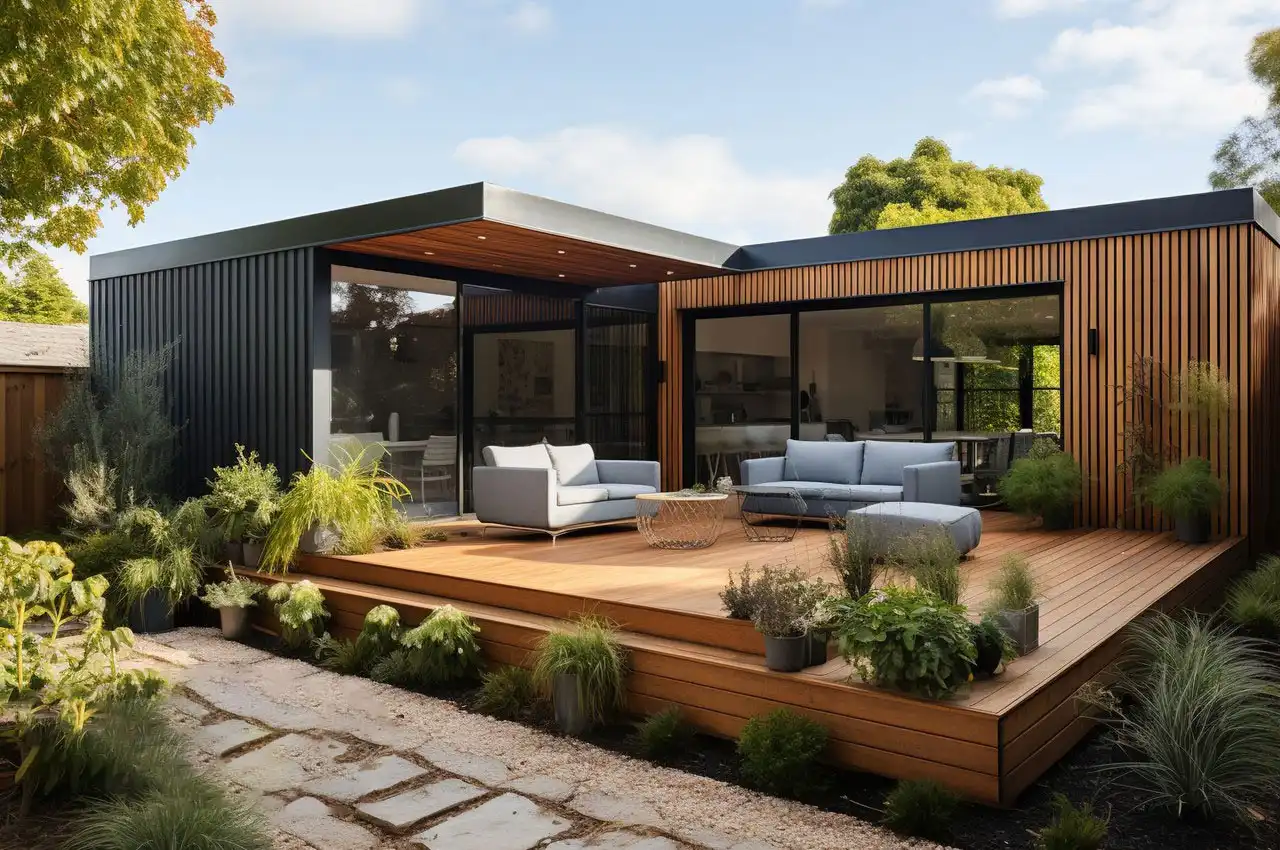
Creating modern, wood-like aesthetics without the constant maintenance of timber
The fact that WPC siding can look like real wood is one of its best features. It also lasts longer and needs less care than wood. This one-of-a-kind mix gives homes a stylish, modern look without the ongoing maintenance that comes with traditional wood siding.
Realistic Wood Grain Textures
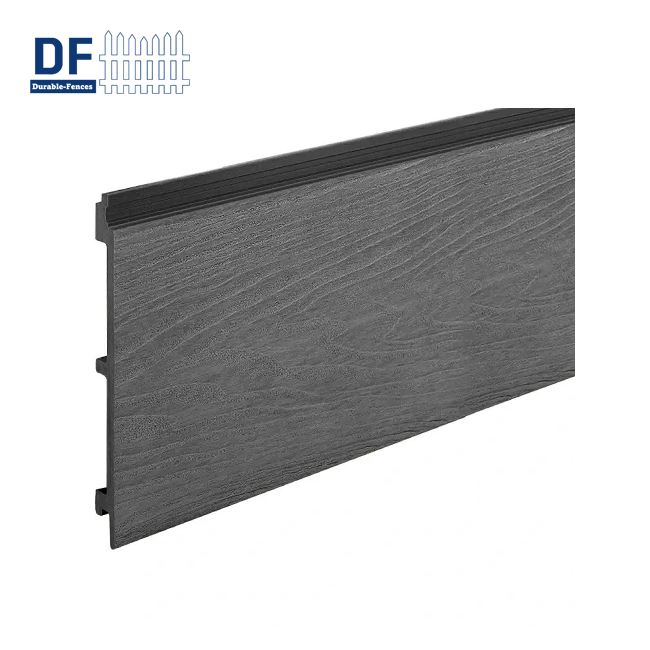
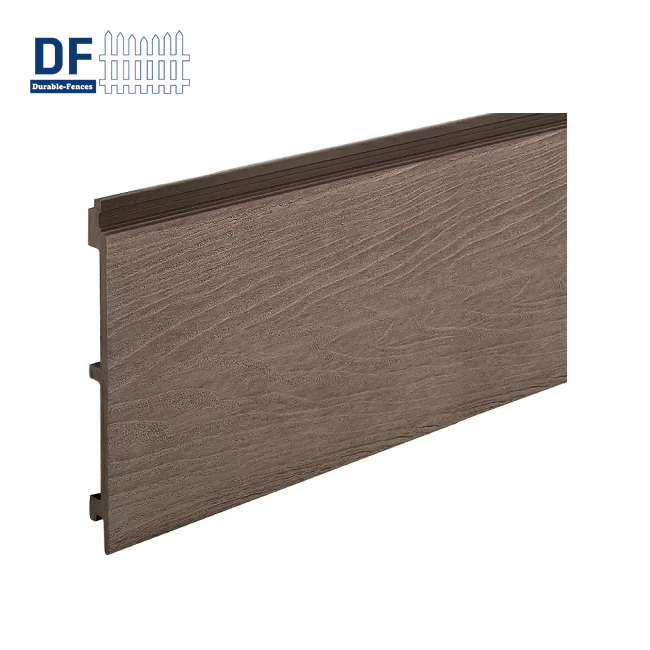
With today's production methods, WPC siding can very accurately copy the complex layers and grain patterns of different types of wood. You can get WPC siding that has the look you want, whether you like the natural beauty of oak or the clean lines of cedar. The WPC curved wall choices, in particular, have a striking visual effect that can make any building face look better. These rough surfaces not only make the outside look real, but they also feel real, which gives the design more depth and interest.
Diverse Color Options and Finishes
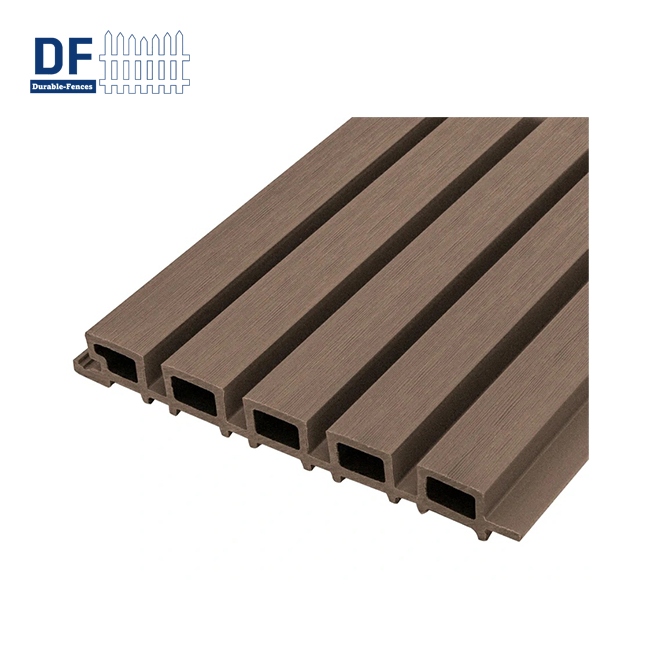
Natural wood can only come in a few colors, but WPC siding can be made in a lot of different colors and styles. There are so many colors to choose from, from deep, rich browns to light, sun-bleached tones. This flexibility lets builders and users make outdoor designs that are truly one-of-a-kind and fit in with the general look of the home. A lot of WPC siding products also come with multi-tonal finishes that make the natural wood-like look even better. This makes for a dynamic and visually interesting wall that changes slightly throughout the day as the sun moves across the sky.
Low Maintenance Requirements
WPC siding is better than wood since it requires less maintenance. Weatherproof wood cladding requires staining, painting, or sealing. WPC cladding is low-maintenance. Keeping siding clean with soap and water is normal. This low-care feature reduces building surface upkeep and expenditures.
Key installation techniques for ensuring proper ventilation and longevity
WPC siding performance and endurance depend on proper installation. Checking airflow behind wall components is crucial to installation to ensure proper ventilation. Air may flow via this aeration gap, reducing moisture accumulation and damage to the structure underneath.
Creating an Effective Ventilation Gap
Installers should use furring strips or battens to create a space between the WPC siding and the structure's exterior wall for airflow. Air circulates beneath the lid via this 20–40 mm aperture. Make sure the siding has adequate room at the top and bottom for airflow. Ventilated trim or bug screens keep pests away while letting air flow.
Proper Fastening Techniques
WPC siding must be attached properly to last. WPC siding needs specific screws or clip systems to accommodate its temperature-sensitive expansion and contraction. Wood may be fastened directly. These technologies allow the covering to shift slightly with temperature, preventing buckles or warping. For optimal operation and appearance, follow the manufacturer's fastener spacing and placement guidelines.
Is WPC cladding a suitable and durable solution for coastal or high-humidity areas?
WPC siding is a great choice for seaside and high-humidity areas because it naturally doesn't absorb water and lasts a long time. In contrast to traditional materials that may rust or break down in salty air, WPC siding stays strong and looks good even in tough seaside circumstances.
Salt Water Resistance
Because WPC flooring is a hybrid, it can stand up to salt water very well. The polymers that make it up form a wall that keeps salt from getting through and hurting it. This defense is especially useful near the coast, where salt spray can quickly break down other building materials. People who live in these areas can rest easy knowing that their flooring will stay shiny and useful for a long time, even though it is constantly exposed to salt water.
Humidity Management
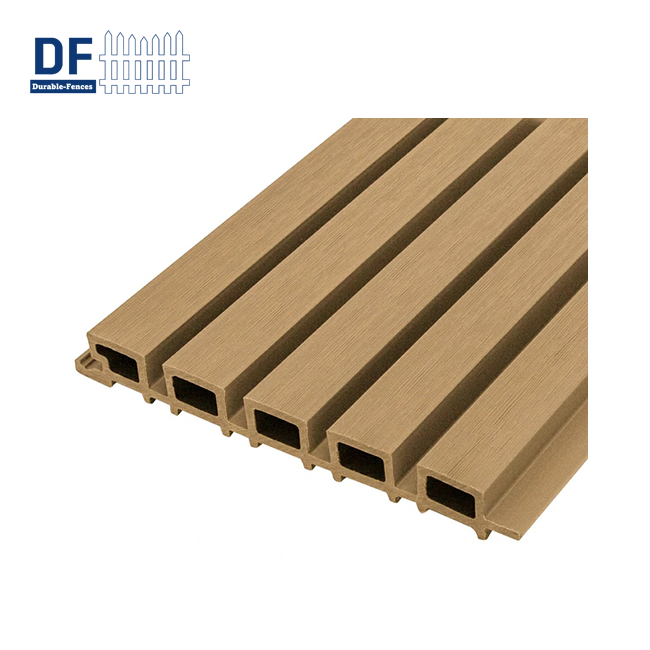
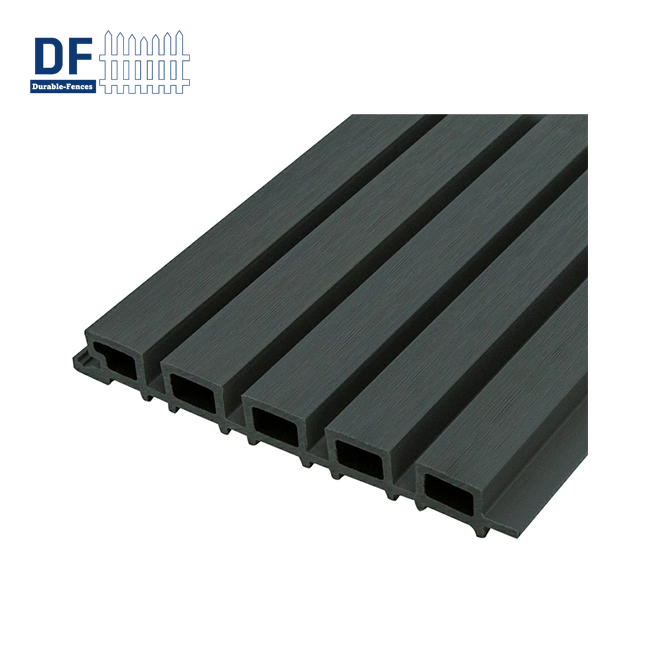
WPC flooring is great for places that get a lot of rain because it doesn't soak up water. Because the material doesn't soak up or grow when wet, it can keep its shape and structure even when it gets wet a lot. This stability is very important so that the WPC Grooved Wall doesn't bend or crack like other wall materials might in wet places. Because WPC siding often has ventilation systems that help control the amount of wetness in the air, it can also be used in places where the humidity is high.
Enhancing curb appeal and property value with a clean, updated exterior facade
If you want to sell your property for more money, WPC flooring might make it seem nicer from the street. WPC siding may make the outside of an old house appear lovely and modern, which is good for both guests and anyone who might want to buy the house.
Modern Architectural Trends
WPC siding is a good choice for modern architecture since it is durable, has natural textures, and has clean lines. You may use WPC to construct simple panels in one color or robust panels in several colors. Architects and designers can make beautiful exteriors with WPC siding since it can be used in many ways. WPC siding panels come in a broad selection of colors and textures, which gives you limitless design options that may change the look of a building.
Long-Term Value Proposition
Because it lasts a long time and requires little maintenance, WPC siding is a good investment. Houses that are both functional and visually beautiful tend to sell faster. A major selling factor can be the outside siding's low maintenance requirements and long lifespan. The fact that WPC siding may aid in energy savings is just one more way it can increase a home's value. For instance, it may save heating and cooling expenses due to its insulating properties.
Conclusion
WPC siding advances outdoor design and construction materials. It is ideal for homes and businesses due to its unique blend of beautiful beauty, long life, and minimum maintenance. Water and UV radiation cannot destroy the material, so it stays looking good under severe environments. WPC Cladding is an excellent choice for improving the appearance, value, or durability of your house. As the construction industry evolves toward eco-friendly and energy-efficient materials, WPC siding is a wise choice that balances form and function.
FAQ
1. How long does WPC cladding typically last?
WPC cladding is quite durable and may last 20 to 30 years or more if it is installed correctly and not too much maintenance is needed. This material lasts a lot longer than most standard cladding materials, which makes it a good choice for the long term.
2. Can WPC cladding be painted or stained?
WPC cladding comes in many colors and finishes that are meant to last, but you may paint it if you want to. But it's vital to select paints that are made only for composite materials and follow the manufacturer's instructions to make sure the new finish sticks well and lasts a long time.
3. Is WPC cladding environmentally friendly?
Yes, WPC cladding is thought to be good for the environment. A lot of WPC items are created from recycled materials, and when they are done being used, they can be recycled again. Also, because they last a long time and don't need much care, they use fewer resources over time.
For Construction Firms, Fence Contractors, Resellers, and End Customers: Elevate Your Projects with Premium WPC Cladding
At Shaanxi Durable-Fences Technology Co,.Ltd., we're committed to providing top-quality WPC cladding solutions tailored to your specific needs. For construction firms and contractors, we offer bulk ordering options with competitive pricing and expert installation support. Resellers can benefit from our dropshipping services and marketing materials to boost your sales. End customers, we provide free design consultations and detailed installation guides to ensure your project's success. Our products comply with international standards (EU CE, US ASTM D7039, China GB/T 24137) and hold environmental certifications (Recycled Content certification, E0 environmental standard). Experience the difference with our durable, stylish, and eco-friendly WPC cladding. Contact us today at info@durable-fences.com to discuss how we can elevate your next project as a leading WPC Cladding manufacturer.
References
1. Smith, J. (2023). "Advancements in Wood-Plastic Composite Materials for Exterior Applications". Journal of Sustainable Building Materials, 45(2), 112-128.
2. Green Building Council. (2022). "Eco-Friendly Cladding Options for Modern Architecture". Sustainable Design Quarterly, 18(4), 75-89.
3. Johnson, A., & Lee, S. (2023). "Comparative Study of Durability: WPC vs. Traditional Wood Cladding in Coastal Environments". Coastal Engineering Review, 29(3), 301-315.
4. National Association of Home Builders. (2023). "Trends in Exterior Cladding: Consumer Preferences and Market Analysis". NAHB Research Center Report.
5. Zhang, L., et al. (2022). "Long-term Performance Evaluation of Wood-Plastic Composite Cladding in Various Climate Zones". Construction and Building Materials, 330, 127281.
6. Davis, R. (2023). "The Impact of Exterior Cladding on Residential Property Values: A Market Analysis". Real Estate Economics Journal, 51(2), 218-234.





Get a Quote for Your Fencing Project Today