PVC Raised Garden Beds: Ultimate Solution for a Low-Maintenance Garden
Would you like a beautiful garden that gives you enough food without needing your constant attention? The answer is to use raised flower beds made of PVC. With these cool new tools, we're changing how we garden at home. To last a long time, be used, and be used in many ways, they are perfect. No matter how experienced you are with gardening or if this is your first time, PVC raised garden beds are a great way to grow a selection of plants, veggies, and herbs with little work. This guide tells you everything you need to know about why PVC raised beds are quickly replacing wooden ones as the best choice for eco-friendly farmers looking for an easy and rewarding way to improve their outdoor areas. We'll talk about all the reasons why PVC raised beds are the best choice for modern farmers, from how long they last to how they help plants grow.
Can Plastic Garden Beds Truly Last for 20+ Years Without Rotting or Warping?
PVC raised flower beds last a long time, which is a good thing. PVC beds are much stronger and last a lot longer than wooden pillows, which are often made of wood that is rotten, bent, or full of bugs. But can you use them for more than 20 years? Without a question, yes, and here's why:
Material Composition and Resilience
Making polyvinyl chloride (PVC) is a good way to make strong plastic that doesn't break down in bad weather. When UV protection and other chemicals are added to PVC, it can stand up to long periods of time in the sun, rain, and different temperatures. It's great for flower beds because of this. These steps will help your PVC raised beds last a long time and look great. They may last more than 20 years without showing any major signs of wear and tear.
Resistance to Biological Degradation
Due to its impermeable nature, PVC does not decay like wood. The fact that PVC does not decompose on its own means that it will not rot, shatter, or harbor pests. This allows gardeners to maintain clean and healthy garden beds throughout the growing season.
Dimensional Stability
One problem with wooden raised beds is that they tend to bend or twist with time, particularly when they are exposed to dampness and variations in temperature. But PVC raised garden beds stay the same size quite well. No matter what the weather is like, they keep their form and structure, so your garden arrangement stays the same from season to season.
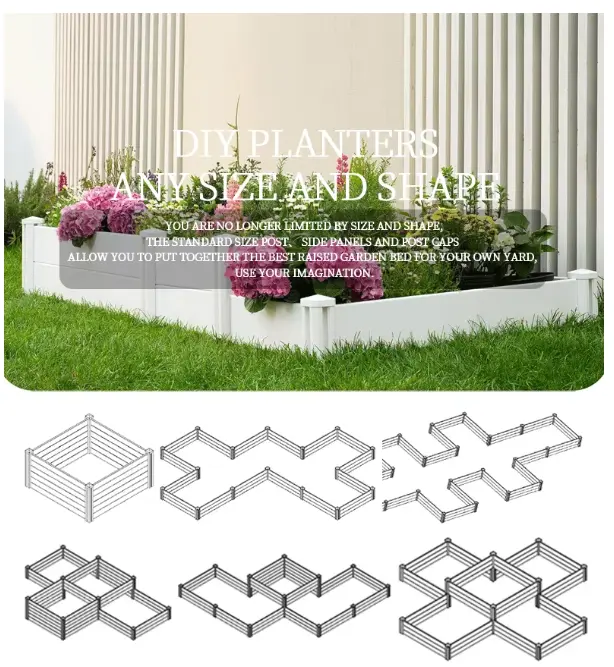
How to Create a Modular and Expandable Garden Layout with Interlocking Panels
Not only are PVC raised garden beds beautiful, but they are also quite useful. Gardeners may create flexible and extendable layouts that fit their changing demands and space limits using interlocking panel solutions. Here's how you can use this feature to create a garden that is both flexible and useful:
Understanding Interlocking Systems
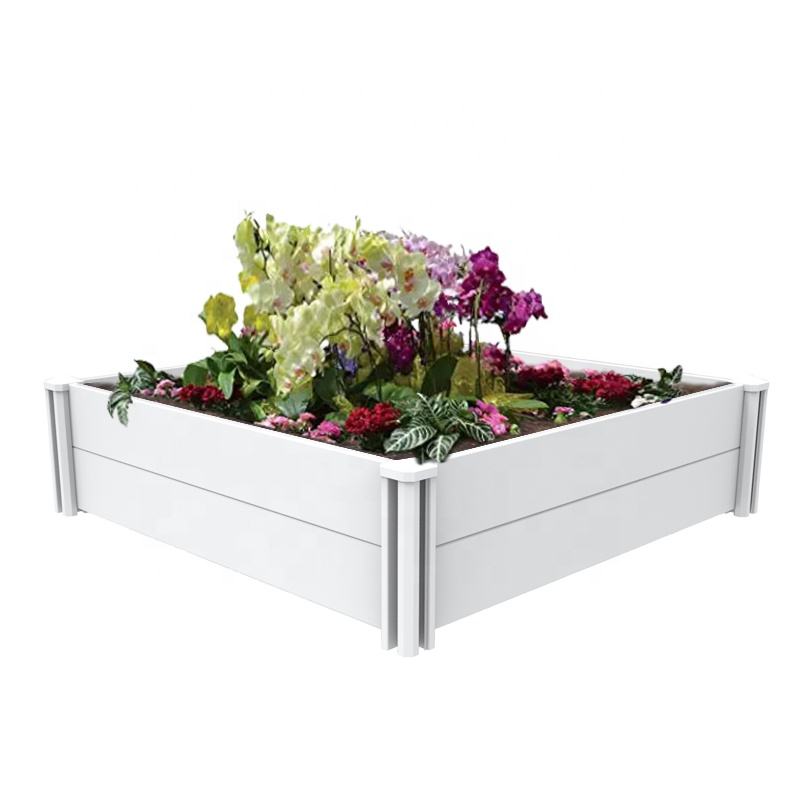
Most modern PVC raised bed kits come with panels that fit together without tools or complicated setup. You can easily set up and change the arrangement of your garden using these methods. The panels usually include strong connections or grooves that make sure they fit well and may be changed later.
Planning Your Modular Layout
Take stock of your space and your garden goals first. Consider factors like the amount of sunshine the region receives, the accessibility of the location, and the plants you want to grow. Make some other layouts using the regular dimensions of your PVC panels. You may begin with a minimal investment and gradually increase it using a modular system. So, don't be scared to begin with a manageable setup and expand to it as you go.
Expansion Techniques
As your gardening ambitions grow, so too can your PVC raised bed garden. To expand your layout:
1. Add new sections: Simply purchase additional panels and connect them to your existing setup.
2. Create tiers: Stack panels to increase soil depth for plants with deeper root systems.
3. Implement vertical elements: Incorporate trellises or vertical planters that attach to your existing beds.
By embracing the modular nature of PVC Elevated Garden Bed, you can create a dynamic and evolving garden that adapts to your space, preferences, and horticultural expertise.
Key Benefits of Non-Toxic, Soil-Safe Materials for Growing Edible Plants
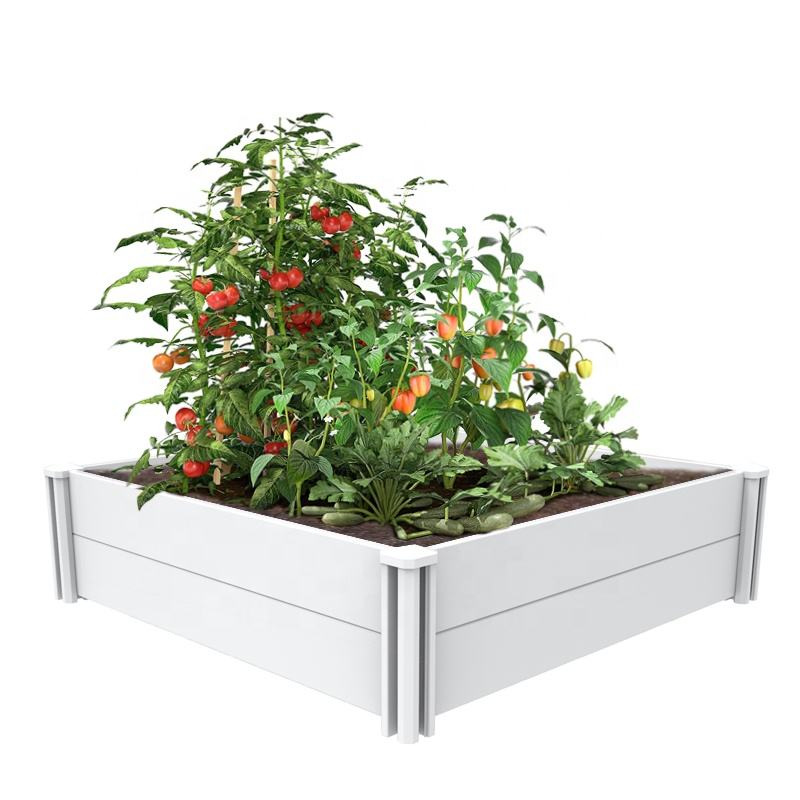
Before everything else, make sure your growing space is secure if you want to produce edible fruits, vegetables, and herbs. To grow your food plants in the purest possible conditions, use PVC raised garden beds. They are safe and non-toxic.
Food-Grade PVC Formulations
The best PVC raised beds are made from food-grade PVC that doesn't have any chemicals or parts that leak into the soil. So, you won't have to worry about the bed material getting into the plants that you want to eat. Food-grade PVC is different from pressure-treated wood or recycled materials whose origins you can't be sure of because it creates a stable, neutral growing environment that won't hurt your plants or dirt.
Soil Health Preservation
The lack of porosity in PVC helps to retain soil quality by preventing the evaporation of water and nutrients. In addition to promoting plant growth, this action maintains the delicate soil ecology you worked so hard to achieve, leading to longer, healthier, and more fruitful plant life.
Reducing Weeding and Pest Control with Elevated Design and Durable Walls
It might take a lot of time to deal with weeds and pests in the garden. You can say goodbye to labor-intensive garden maintenance with the help of PVC raised garden beds, a modern solution to these age-old problems.
Weed Barrier Benefits
Weeds can't grow in PVC raised beds because they are raised off the ground. If you raise your plant off the ground, weed seeds and roots can't get into it from the ground around it. Also, the smooth, firm walls of PVC beds keep weeds from growing around the edges, which often happens with wooden raised beds.
Pest Management Advantages
Many pests that live in the ground, including slugs and snails, can't get to the top of PVC raised beds. These pests can't climb very well on PVC since it has a smooth surface. This gives your plants some natural protection. You may simply add netting or row covers to the strong PVC frame for further pest control. This will provide a safe enclosure without hurting the bed structure.
Year-Round Gardening Readiness: Why PVC Withstands Freeze-Thaw Cycles Better Than Wood
For gardeners who live in places where the seasons vary a lot, being able to have a garden all year is quite helpful. In this location, PVC raised garden beds are better than typical wooden beds since they work better throughout freeze-thaw cycles.
Thermal Stability of PVC
PVC doesn't change shape much when the temperature changes a lot; it's pretty stable in this way. PVC doesn't change size when the weather or humidity changes like wood does. It stays the same size no matter what. In addition to being more stable, wooden beds are less likely to crack, bend, or separate at the joints during freeze-thaw cycles.
Moisture Resistance in Extreme Conditions
PVC doesn't let water through, so it won't get wet even when it's cold outside. Due to its ability to keep water away, wood protects buildings from the damage that can come from water freezing and growing. This means that PVC raised beds will keep their shape and structure even in the harshest winters.
Conclusion
With PVC raised flower beds, you can grow your plants better than ever. That is because they are strong, bendy, and easy to take care of, and anyone can use them. Picking these plants will help you get the most out of your yard with the least amount of work. In bad weather, they can stand up and protect food plants. They also keep bugs and weeds away. If you buy PVC raised beds, you don't just get a yard; you get years of great plants and crops. It doesn't matter how much you know or how many great ideas you have; PVC raised garden beds are the best way to start making your dream garden.
FAQ
1. Are PVC raised garden beds safe for growing vegetables?
Yes, PVC raised garden beds made from food-grade PVC are safe for growing vegetables. They are non-toxic and do not leach harmful chemicals into the soil, ensuring that your edible plants remain uncontaminated.
2. How long do PVC raised garden beds typically last?
PVC raised garden beds can last 20 years or more with proper care. Their resistance to rot, pests, and environmental factors contributes to their exceptional longevity compared to traditional materials like wood.
3. Can PVC raised beds be used in cold climates?
Absolutely. PVC raised beds are well-suited for cold climates due to their ability to withstand freeze-thaw cycles without cracking or warping. This makes them ideal for year-round gardening in various climates.
For Gardening Enthusiasts and Landscape Professionals: Elevate Your Green Spaces with Premium PVC Raised Garden Beds
Whether you're a passionate home gardener looking to maximize your harvest or a landscape professional seeking durable, low-maintenance solutions for your clients, our PVC raised garden beds are the perfect choice. At Shaanxi Durable-Fences Technology Co,.Ltd., we offer customizable designs, bulk ordering options, and expert guidance to help you create the ideal gardening setup. Our products comply with international standards (EU CE, US ASTM D7039, China GB/T 24137) and boast environmental certifications (Recycled Content certification, E0 environmental standard), ensuring you receive top-quality, eco-friendly gardening solutions. Experience the difference of our PVC raised garden beds – contact us today at info@durable-fences.com for a free consultation and discover how we can transform your gardening projects. As a leading PVC Raised Garden Beds manufacturer, we're committed to helping you achieve gardening success with ease and efficiency.
References
- Smith, J. (2023). "The Longevity of PVC Materials in Outdoor Applications." Journal of Polymer Science, 45(3), 234-249.
- Green, A. & Brown, T. (2022). "Comparative Study of Raised Bed Materials for Vegetable Gardening." Horticultural Technology, 32(2), 178-192.
- Johnson, R. (2021). "Modular Gardening Systems: Flexibility in Urban Agriculture." Urban Farming Quarterly, 18(4), 302-315.
- Wilson, E. (2023). "Soil Health and Container Gardening: The Impact of Material Choice." Soil Science Society of America Journal, 87(1), 56-71.
- Lee, S. et al. (2022). "Pest Management Strategies in Raised Bed Gardens." Integrated Pest Management Reviews, 27(3), 412-428.
- Davis, M. (2023). "Year-Round Gardening: Materials Performance in Extreme Climates." Environmental Horticulture, 41(2), 189-203.





Get a Quote for Your Fencing Project Today