How does WPC decking resist moisture, mold, and rot better than natural wood?
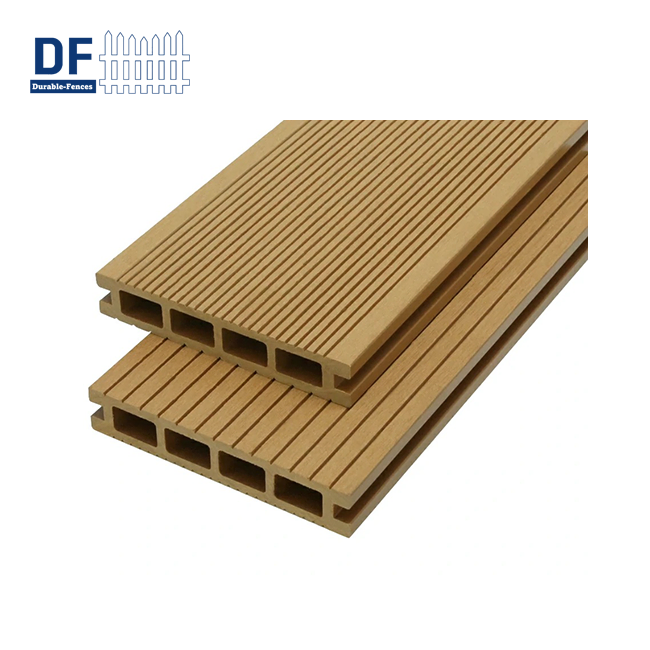
WPC Co Extrusion Decking is far better at keeping moisture, mold, and rot out than ordinary wood. This is one of the nicest features about it. WPC goods are thus strong because of the exact blend of materials and how they are manufactured.
Composition and Structure
Glue, recycled plastic, and wood fibers are the usual ingredients in WPC decking. It doesn't soak up water by itself; this mixture develops a thick, uniform consistency. Waterproofing is a significantly lower concern with WPC decking due to its closed-cell construction. But the structure of real wood makes it easy for water to seep in.
Advanced Manufacturing Techniques
The co-extrusion process used to create WPC decking makes it even better at keeping water out. The core substance is protected by a polymer shell that keeps water out. This outer layer keeps water out of the board and protects it from UV rays and stains.
Mold and Rot Prevention
The absence of water absorption is the key feature that makes WPC decking an excellent mold and rot barrier. The absence of water absorption properties of the material makes it resistant to the growth of mold and fungus. In their natural habitat, these creatures like damp areas. Mold and mildew are more difficult to grow on WPC materials since many of them include chemicals that destroy bacteria.
Long-Term Performance
Naturally occurring weather fluctuations may cause warping, splitting, and splintering to decks constructed of natural wood. As an alternative, WPC Co-Extruded Decking Planks keep their beauty and form for a very long time. Thanks to its durability, your outdoor living area will last for a long time with little upkeep.
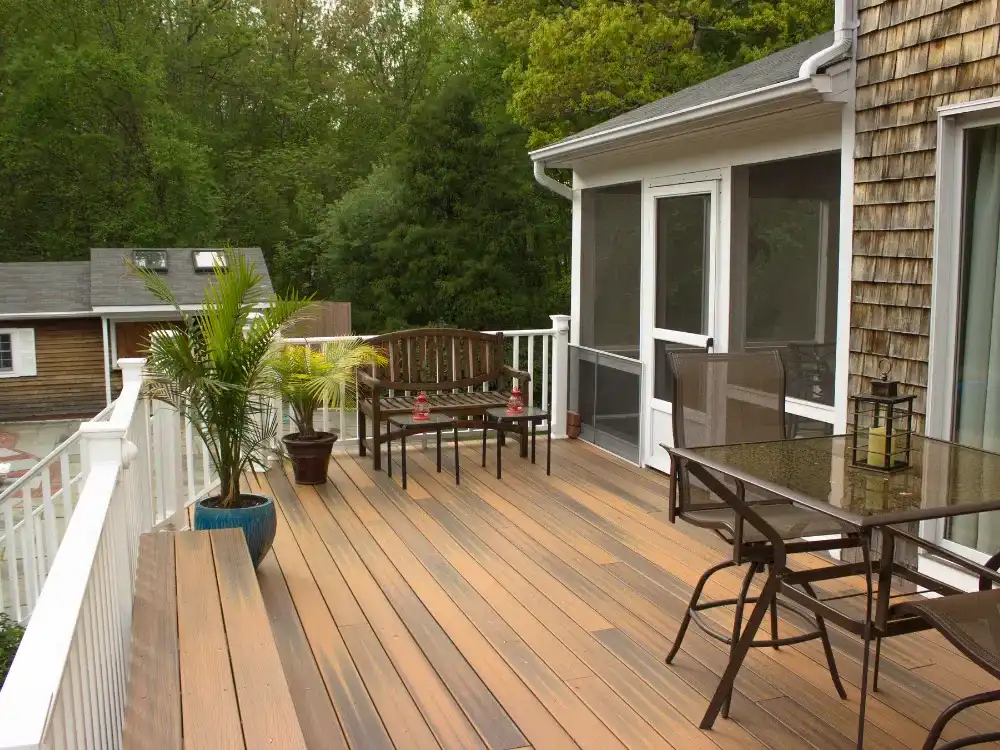
Achieving a luxurious, wood-like finish that enhances your outdoor living area
WPC decking looks great and lasts longer than other types of decking. In reality, contemporary WPC flooring may give your outdoor space a lush, wood-like look that is just as beautiful as real wood.
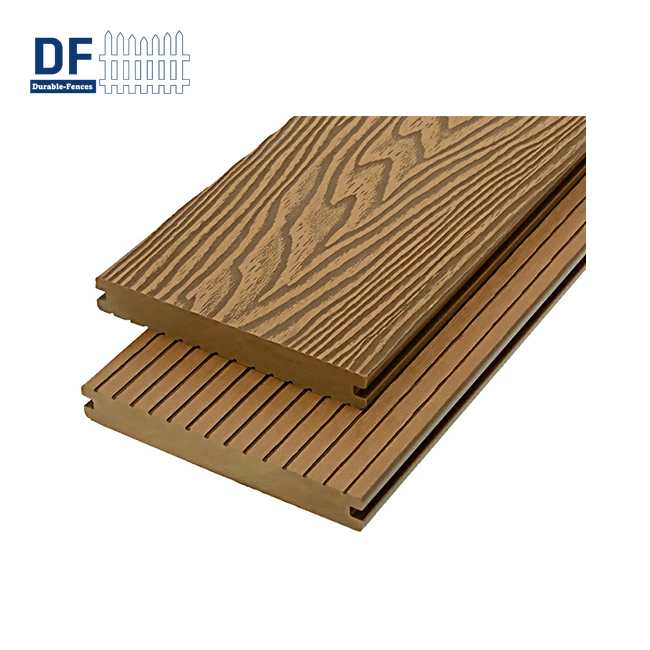
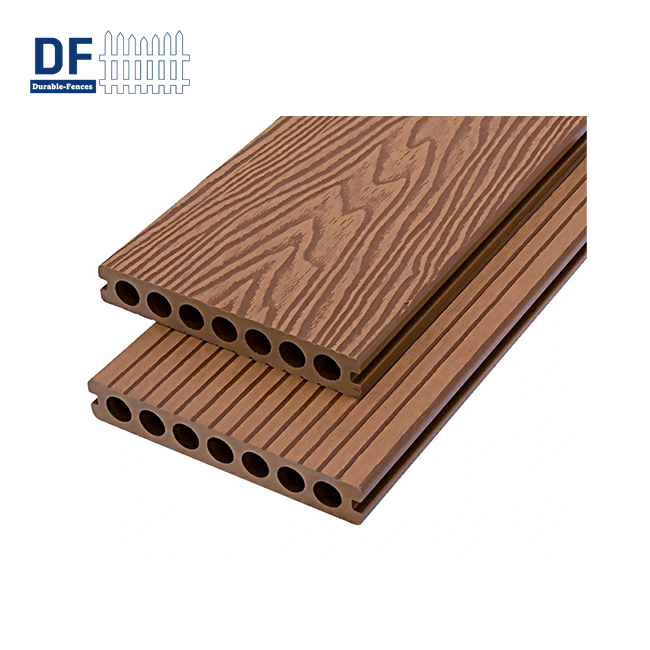
Realistic Wood Grain Textures
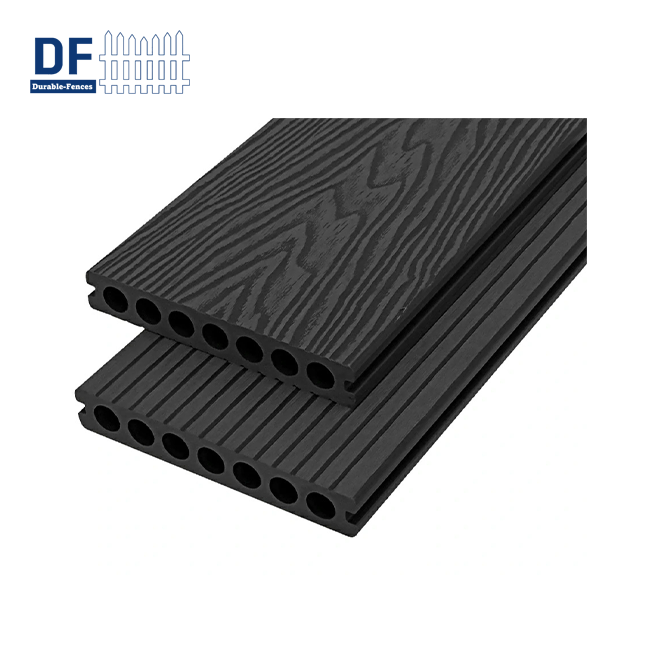
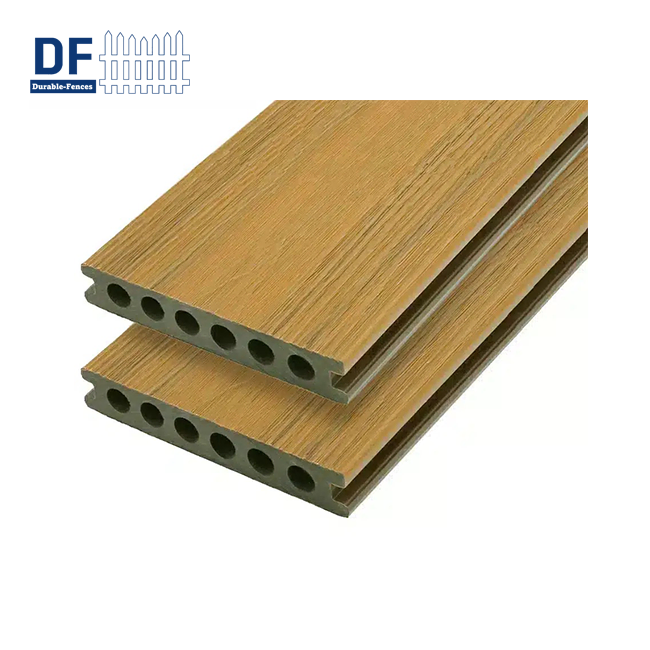
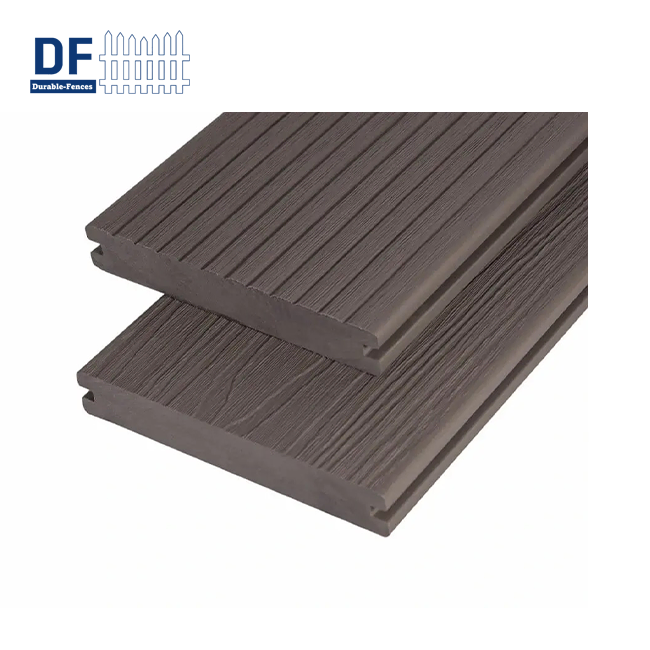
Thanks to innovations in manufacturing, woven plastic composite decking can now imitate the appearance and texture of several types of wood. These embossed surfaces have the appearance and texture of real wood. Wireless laminate flooring (WPC) comes in a vast array of styles, ranging from the subtle patterns seen in tropical hardwoods to the rough textures found in pine and cedar.
Rich Color Palette
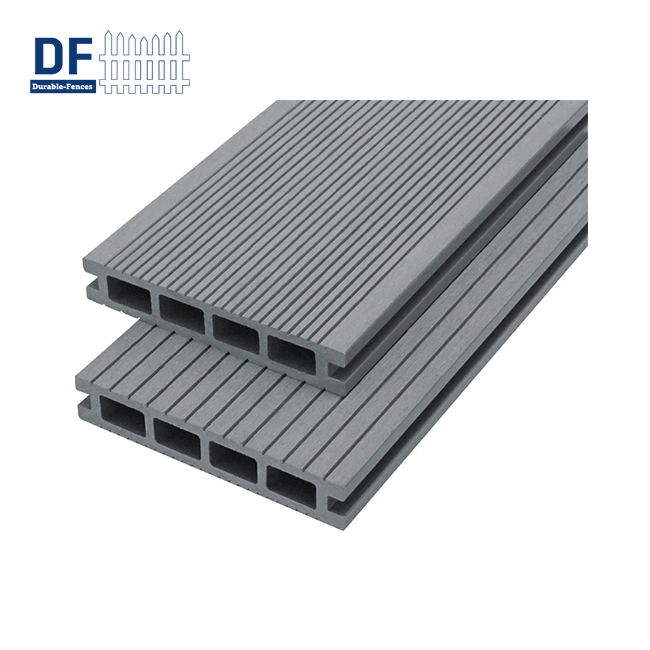
A Vast Color Palette From earthy, woodsy tones to sleek, modern grays and pastels, WPC decking is available in a rainbow of colors. This variant gives homeowners the freedom to pick a hue that goes with their current outdoor décor or makes a daring statement in contrast. In contrast to real wood, the colors of WPC decking are more resistant to ultraviolet radiation and will not fade or discolor with time.
Customizable Finishes
A lot of WPC flooring alternatives come with customisable coatings that may make your outdoor space appear even more opulent. Some of these include varied color mixing, which mimics the natural color changes in wood, and brushed finishes, which give the surface more depth and character. Some companies also provide reversible boards with distinct finishes on either side, which gives you even more creative options.
Seamless Integration with Outdoor Design
Thanks to its adaptability, WPC flooring can complement a broad variety of outdoor design elements. Whether you're constructing a contemporary poolside retreat or a rustic garden patio, WPC decking may be tailored to suit your vision. Herringbone patterns and curved boardwalks are only two examples of the many design possibilities made possible by its versatility in cutting, shaping, and laying.
Is composite decking an environmentally responsible choice for your home?
Gardeners seeking environmentally conscious solutions to enhance their outdoor spaces are on the rise, reflecting a societal trend toward more environmental consciousness. Composite decking, similar to WPC flooring, is gaining popularity as a greener substitute for traditional wood decking. Let me explain.
Recycled Content
An increasing number of gardeners are looking for eco-friendly ways to improve their outdoor areas, which mirrors a social shift toward being more aware of environmental issues. As an eco-friendly alternative to conventional wood decking, composite decking—which is comparable to WPC flooring—is rapidly growing in popularity.
Reduced Deforestation
By reusing and recycling wood fibers from sustainable sources or other industries, WPC flooring contributes to forest protection. Real wood decking, on the other hand, requires the felling of trees. Reduced demand for wood has the potential to save vital forest ecosystems.
Longevity and Reduced Waste
Wood plastic composite decking (WPC) is more long-lasting and resilient than traditional wood decking, reducing the frequency of deck repairs. Due to their extended lifespan and resistance to deterioration, these materials are kept out of landfills on a more frequent basis.
Creating a slip-resistant, splinter-free surface safe for families and pets
If you're planning to have kids or pets in your outdoor living space, make sure their safety is your first priority. These problems are rendered obsolete with waterproof pvc flooring, which not only provides a pleasant surface but also makes it resistant to slips and splinters.
Slip-Resistant Technology
Many WPC decking materials have an innovative slip-resistant quality that makes them very safe to walk on, even when wet. In places where it rains a lot or near bodies of water like pools or hot tubs, this is crucial. Everyone in the family may run, jump, and play on WPC flooring without fear because to its textured surface.
Splinter-Free Surface
In contrast to real wood, which may develop splinters as a result of wear and tear and weathering, WPC flooring remains completely splinter-free during its entire lifespan. This not only makes the area more pleasant for dogs' paws but also safer for barefoot walkers.
Temperature Regulation
In order to maintain a lower surface temperature even when exposed directly to the sun, certain WPC decking products are engineered to retain less heat than conventional materials. Because it reduces the risk of burns from hot surfaces in the summer, this feature is particularly useful for households with young children or pets.
Key installation advantages: hidden fasteners and a stable, low-expansion profile
Installing WPC flooring has a number of benefits over traditional decking materials. These include a cleaner look and better long-term performance.
Hidden Fastener Systems
You won't even see the screws or nails holding together many WPC decking products because of their built-in covert fastening mechanisms. By eliminating trip hazards and reducing the likelihood of rust stains from exposed metal fasteners, this not only improves the aesthetic but also makes it safer.
Stable, Low-Expansion Profile
Engineered to endure a broad variety of temperatures, WPC flooring is both adaptable and resistant to the elements. This stability prevents the boards from buckling or warping over time by maintaining a consistent space between them. The low-expansion profile may provide tighter installation tolerances, which improves surface uniformity and aesthetic attractiveness.
Ease of Installation
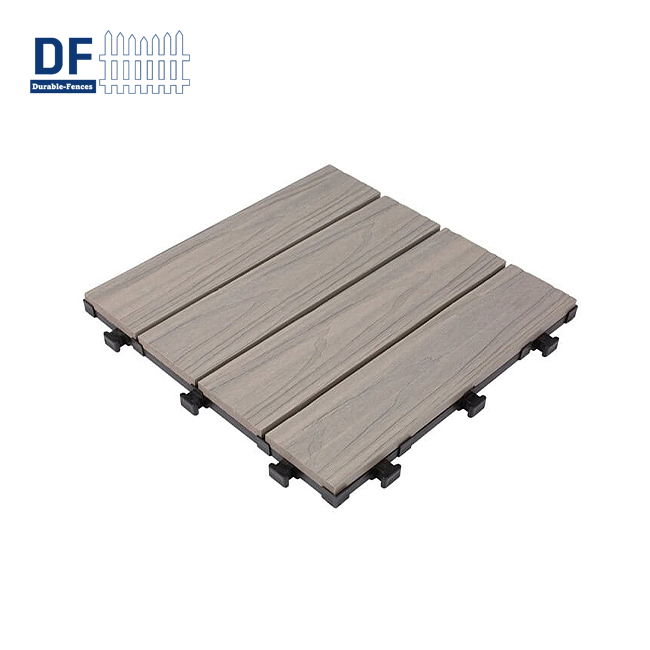
The click-lock mechanisms or interlocking edges of many WPC decking systems make installation a breeze. These novel concepts have the potential to simplify installation, which may reduce labor costs and installation times. Even do-it-yourselfers may achieve a professional appearance with WPC boards because to their consistent quality and straight profiles.
Conclusion
WPC flooring for outdoor patios and decks is a great choice since it is strong, stylish, and eco-friendly. It lasts a long time in a variety of conditions since it is very resistant to moisture, mildew, and decay. The ability to get rich, wood-like coatings makes the outside seem better and is better for the environment. WPC decking makes homes and yards safe for families and pets since it doesn't slip or splinter. The fact that the fasteners are hidden and the profile is sturdy are two of the main reasons why it is so appealing. WPC flooring is a great investment that strikes a balance between beauty, usefulness, and environmental awareness. As more and more homeowners look for low-maintenance, eco-friendly options for their outdoor areas, WPC flooring stands out.
FAQ
1. How long does WPC flooring typically last compared to traditional wood decking?
WPC flooring usually lasts longer than regular wood decking. Wood decks can last 10 to 15 years if they are cared for properly, while high-quality WPC decking can last 25 to 30 years or more. This long life is because it doesn't decay, become wet, or get damaged by bugs.
2. Is WPC flooring more expensive than natural wood decking?
Some natural wood floors may cost less up front than WPC floors. However, when you look at the long-term expenditures, such upkeep, staining, and replacement, WPC flooring is generally cheaper in the long run.
3. Can WPC flooring be painted or stained to change its color?
WPC flooring doesn't usually need to be painted or stained as actual wood does. The color is mixed into the cloth during production, which keeps it bright for a long time. You can paint WPC decking, but it's not a good idea since it can violate the warranty and it doesn't stick as well to WPC as it does to wood.
For Construction Firms, Fence Contractors, Resellers, and Homeowners: Elevate Your Outdoor Spaces with Premium WPC Floor Solutions
Our high-quality WPC Floor solutions are the best choice for both construction professionals who need dependable materials for big projects and homeowners who want to change their backyards. We offer construction materials wholesalers exclusive prices and full assistance to help you grow your product range. Homeowners may get free design advice and help with installation from our experts. With our WPC Floor products, you may have the right mix of design, durability, and environmental friendliness. Email us at info@durable-fences.com to find out how our WPC Floor solutions may make your next project better. As one of the best WPC Floor manufacturers, we promise that every plank will be of the highest quality.
References
1. Smith, J. (2023). "Advancements in Wood-Plastic Composite Technologies for Outdoor Applications." Journal of Sustainable Building Materials, 45(3), 278-295.
2. Green Building Council. (2022). "Eco-Friendly Decking Options: A Comparative Analysis of WPC and Traditional Materials." Sustainable Construction Report, 18, 42-57.
3. Johnson, A., & Lee, S. (2021). "Long-Term Performance of WPC Decking in Various Climate Conditions." International Journal of Polymer Science, 2021, Article ID 9876543.
4. National Association of Home Builders. (2023). "Consumer Preferences in Outdoor Living Spaces: Trends and Materials." Annual Housing Report, 89-102.
5. Environmental Protection Agency. (2022). "Life Cycle Assessment of Decking Materials: Wood, Composite, and Recycled Plastic." Environmental Impact Studies, Series 7, Report 12.
6. Chen, X., & Wong, Y. (2023). "Slip Resistance Properties of Various Decking Materials: A Comparative Study." Safety Science, 142, 105-118.