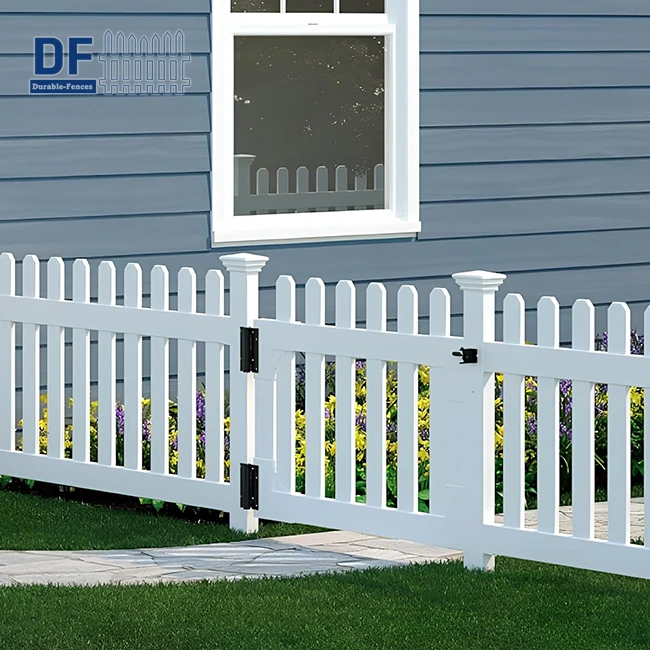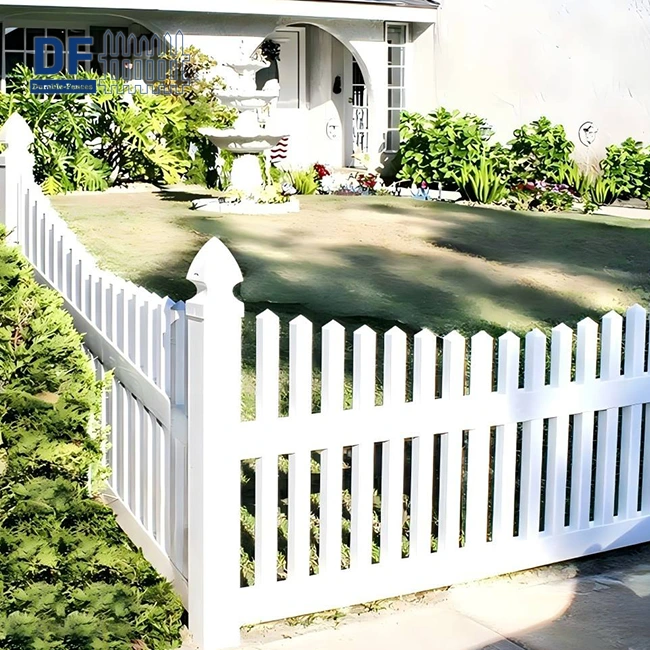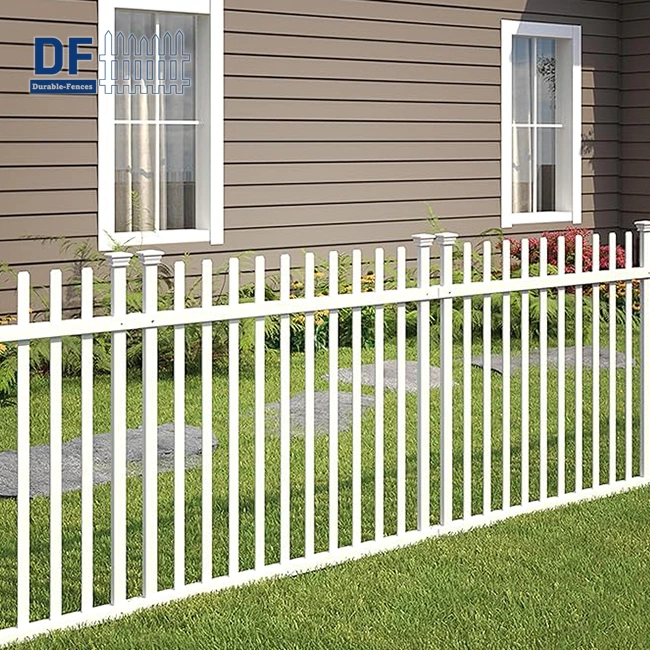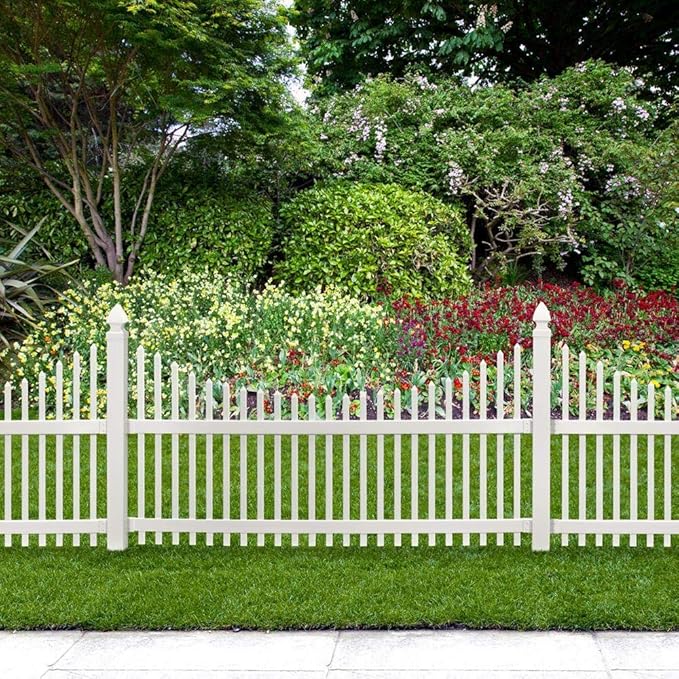
Creating visual space and modern lines through horizontal installation.
In recent years, horizontal PVC fencing has rapidly gained popularity, especially in modern and contemporary architectural environments. This type of fencing creates a sense of spaciousness, making it ideal for small courtyards or areas where width needs to be emphasized. The clean, simple style of horizontal fencing complements its streamlined, minimalist design, offering a completely new alternative to traditional vertical wooden fences.
A major advantage of PVC fencing is its ability to create a sense of flow and layering in open spaces. By guiding the eye along horizontal lines, these fences can make a property appear larger and more harmonious. This effect is particularly advantageous in urban environments, where maximizing space is paramount.
Contemporary Aesthetic Appeal
The currently popular flat panel fencing perfectly complements modern architectural styles, making it a popular choice for contemporary buildings and renovation projects. Its clean lines enhance the visual appeal of a property, thereby increasing its market value. Furthermore, the unique visual effect of flat panel fencing serves as a beautiful backdrop for decorative elements, contributing to a more sophisticated overall design for outdoor spaces.
How does installation orientation affect perceived privacy and airflow?
The orientation of a PVC fence plays a crucial role in its ability to provide privacy (both perceived and actual) and its impact on airflow within the enclosed space. Traditional vertical fences, especially those with straight-topped pin piles, have long been the preferred choice for maximizing privacy. However, horizontally installed fences also offer some unique advantages worth considering.
Vertical PVC fencing typically creates a more enclosed and secure atmosphere, especially when the panels are closely spaced. This arrangement forms a solid boundary, effectively blocking views from neighboring properties or open areas. On the other hand, the fencing itself can also provide a degree of security while maintaining a more open feel, depending on the spacing between the panels.
Balancing privacy and openness
Horizontal fencing allows for a variety of clever arrangements to address security issues. By changing the distribution and coverage of the fencing panels, fences can be constructed that provide security from some angles while ensuring visibility and ventilation from others. This flexibility is particularly important in areas where complete enclosure is not required or where building codes mandate robust fencing structures.
In terms of airflow, flat fences generally promote air circulation more effectively than dense, vertical fences. This is especially advantageous in hot climates or windy areas, as it reduces wind resistance and allows naturally cool breezes to pass through. However, it is worth noting that the intensity of airflow can be balanced by adjusting the spacing and structure of the panels, regardless of whether the fence is flat or vertical.
Comparing applicability on sloping and uneven terrain.
When installing PVC fencing on sloping or uneven terrain, the choice between flat and vertical installation significantly impacts the fence's aesthetics and practicality. Traditionally, vertical fencing has been the preferred choice for complex terrains due to its flexibility. However, advancements in fencing technology and installation processes have made flat fencing increasingly practical for various terrains.
Vertical fence on the slope
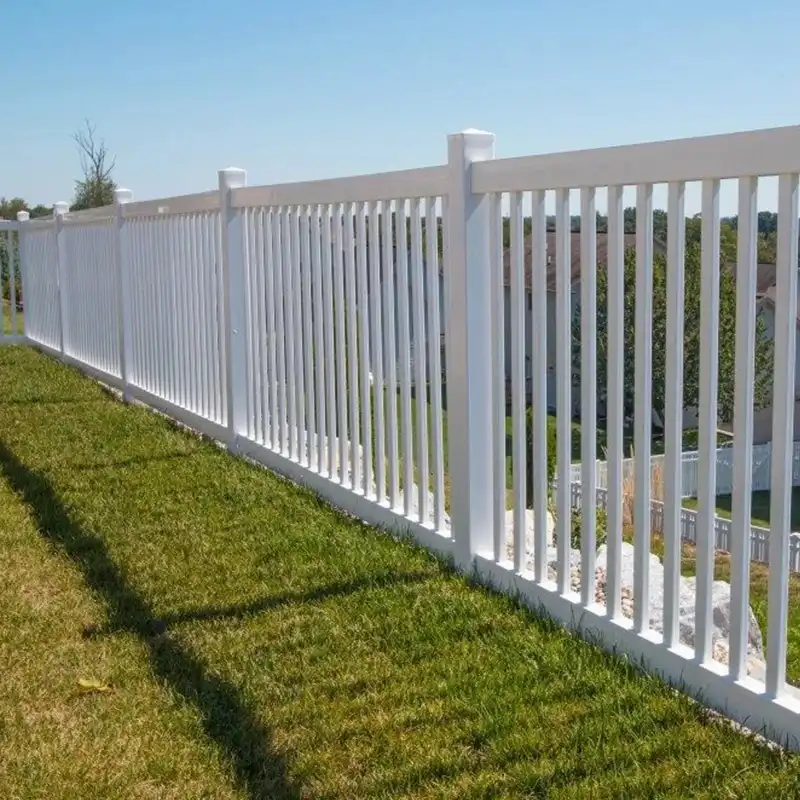
Vertical PVC fencing remains highly adaptable to sloping terrain. The fence strips can be easily adjusted to accommodate the slope, maintaining a consistent height throughout the fence. This flexibility allows for a smooth, stepped appearance and adaptability to variations in height. For very uneven ground, a method known as "sloping" installation can be used, where the angle of the crossbeams is adjusted to fit the slope while keeping the fence strips vertical.
Horizontal Fence Solutions
While installing horizontal PVC fencing on slopes can often be challenging, it has become easier to achieve with clever planning. One approach is to develop a detailed plan, installing horizontal fencing at varying heights based on the slope. Another method is to use smaller planks or custom-cut boards to create fencing that echoes the shape of the terrain while maintaining clean lines. These solutions can create an eye-catching, stylish look that highlights the natural character of the landscape.
Design Influence: Which orientation best complements your building?
The choice of horizontal or vertical PVC fencing can significantly impact the overall aesthetics of a building. Each orientation presents a unique visual character, which can either complement or contrast with existing architectural and landscape elements.
Vertical fences: classic and versatile
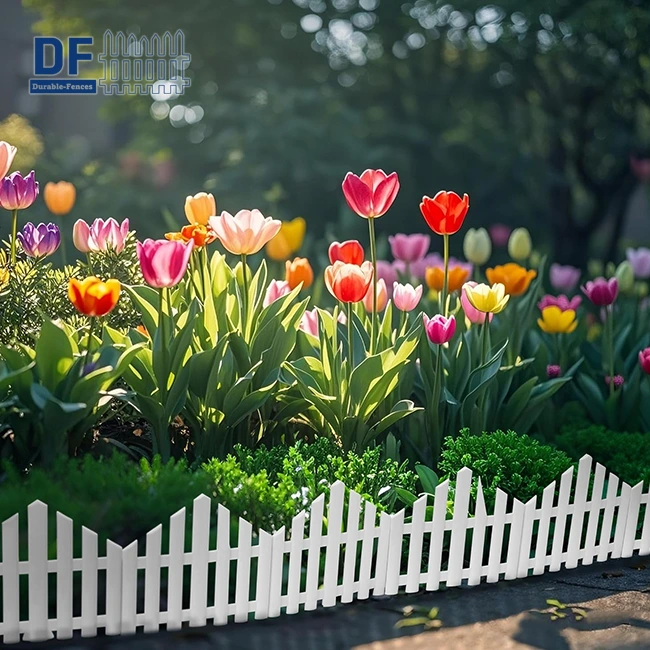
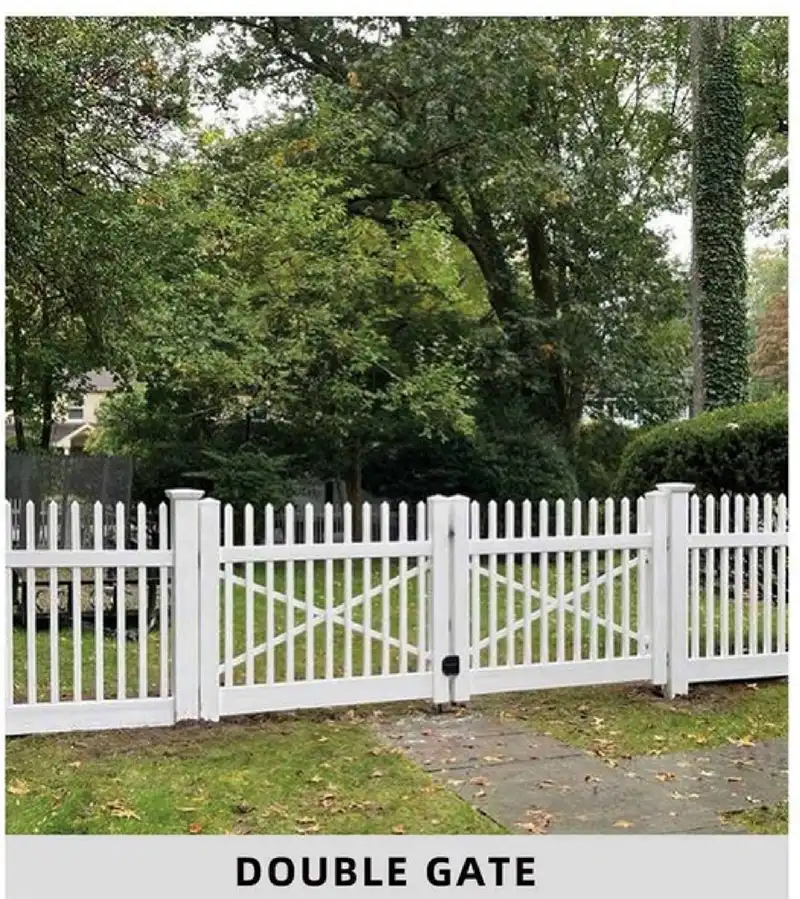
Vertical PVC fencing, especially upright picket fences , blends seamlessly with traditional and colonial-style architecture. Its straight lines echo the vertical lines commonly found in classic architectural designs, creating a harmonious and unified visual effect. Furthermore, vertical fencing can make spaces appear taller and more spacious, which is particularly advantageous for properties with limited floor space.
Horizontal fence: modern and dynamic
Horizontal PVC fencing often complements modernist and contemporary architectural styles. The clean, horizontal lines create a sense of openness, making the property appear more spacious. This layout is particularly suitable for low-rise, single-story homes or buildings with strong horizontal elements in their design. Horizontal fencing can also create a striking contrast with vertical architectural elements, adding visual interest to the overall composition of the property.
Ease of installation and maintenance: Are there any differences?
When choosing a PVC fence, ease of installation and long-term maintenance requirements are key factors influencing the choice between horizontal and vertical fencing. Both configurations have their own advantages and disadvantages in these aspects.
Installation Precautions
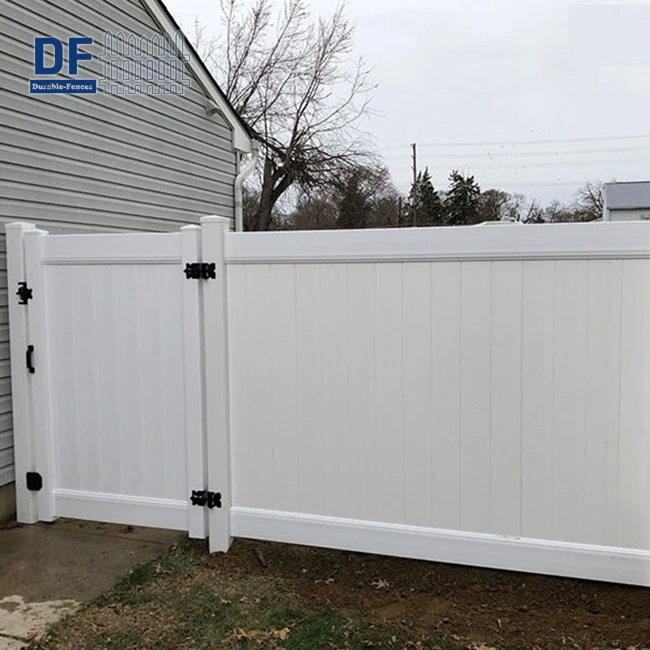
Generally speaking, for most temporary workers, the installation of vertical PVC fencing is more straightforward and easier to understand. The traditional methods of installing posts and vertical fence strips are well-established, thus speeding up construction in many cases. Furthermore, vertical fencing is more effective on uneven terrain because the balance of each fence strip can be effectively adjusted, maintaining a level top line.
While the installation of horizontal fencing is becoming increasingly common, it also demands greater precision and organization. Maintaining perfectly level lines over long distances is no easy feat, especially on uneven ground. However, advancements in prefabricated slabs and specialized installation techniques have significantly simplified this process.
Maintenance and durability
In terms of maintenance, PVC fencing is known for its extremely low maintenance requirements, regardless of the installation method. Whether laid flat or vertically, PVC is corrosion-resistant, insect-resistant, and weather-resistant. However, there are some subtle differences between the two that need to be considered:
Vertical fencing may have a slight edge in drainage and debris removal, making it easier to remove debris and reducing soil buildup and long-term accumulation. While flat fencing is equally sturdy, it may require regular cleaning of the panel surface to prevent water stains or debris buildup.
Ultimately, both types of fencing require negligible maintenance compared to traditional wooden fencing, making PVC an ideal choice for those seeking a durable, low-maintenance solution.
In conclusion
Looking ahead to 2026, the choice between horizontal and vertical PVC fencing will continue to be influenced by a combination of factors, including aesthetic preferences, practical considerations, and evolving architectural trends. Both approaches offer advantages and can significantly enhance the aesthetics and functionality of outdoor spaces. Vertical PVC fencing remains a flexible and durable option, particularly suitable for traditional architectural styles and areas with complex terrain. Its characteristics and ease of installation make it a reliable choice for many homeowners and contractors.
Horizontal PVC fencing, with its stylish and attractive design and ability to create open spaces, is poised to continue its popularity, especially in modern urban and rural environments. Advances in installation technology and the increase in customizable options allow horizontal fencing to better adapt to different settings and architectural styles. Ultimately, the choice between horizontal and vertical PVC fencing should be based on a careful consideration of the specific needs of the property, including security requirements, structural compatibility, and desired visual appeal. As PVC fencing technology continues to advance, homeowners and designers will have more options to create beautiful, robust, and easy-to-maintain fencing solutions that perfectly complement their outdoor spaces.
Frequently Asked Questions
1. What are the differences in cost between installing horizontal and vertical PVC fences?
Generally, the installation cost of flat PVC fencing may be slightly higher due to the greater complexity of ensuring a level line and the potential need for specialized equipment. However, the cost difference is usually negligible, and the long-term durability and low maintenance costs of PVC fencing make both options cost-effective.
2. Can I use both horizontal and vertical PVC fence designs on the same property?
Absolutely! Combining horizontal and vertical PVC fencing components can create unique and vibrant outdoor spaces. This approach allows you to customize fencing for different areas of your property, meeting specific security needs or harmonizing with different building structures.
3. What are the differences in wind resistance between horizontal and vertical PVC fences?
Vertical PVC fences typically offer excellent wind resistance due to their traditional design and installation methods. However, even fences with reinforced posts, high-quality materials, and proper installation can provide excellent wind resistance. The key is to ensure professional installation and choose products suitable for local climate conditions.
To Fence Contractors and Owners: Enhance Your Outdoor Space with High-Quality PVC Fence Solutions
Looking to renovate your property with durable, low-maintenance PVC fencing ? Whether you prefer a clean, horizontal design or classic straight-pile fencing, Shaanxi Durable Fence Technology Co., Ltd. can provide you with a tailored, high-quality solution. Our PVC fencing products meet international standards (CE, ASTM D7039, GB/T 24137) and have multiple environmental certifications, ensuring quality and sustainability.
Experience the superior quality of working with a leading PVC fencing manufacturer. Contact us today at info@durable-fences.com to discuss your fencing needs and get a custom quote. Let's create beautiful and durable outdoor spaces together!
reference
1. Johnson, A. (2025). “Trends in residential fencing: horizontal vs. vertical design.” Architectural Digest, 45(3), 78-85.
2. Smith, B., & Garcia, C. (2024). “The impact of fence orientation on property aesthetics and value.” Journal of Landscape Architecture, 18(2), 112-127.
3. Taylor, R. (2023). "Advances in PVC fencing technology: a comparative study." Materials Today, 30(4), 567-582.
4. Brown, D. et al. (2025). “Environmental considerations for modern fencing materials.” Sustainability Science, 12(1), 45-60.
5. Lee, S. (2024). “Installation techniques for horizontal PVC fencing on uneven terrain.” Construction Methods and Management, 40(2), 201-215.
6. White, M. (2023). “Spatial Psychology: How Fence Design Affects Perception.” Environmental Psychology Review, 15(3), 328-342.