How Do WPC Fences Combine Durability and Sustainability for Modern Outdoor Spaces?
While wooden fences are fine, wood-plastic composite fences are better and last longer. WPC is a material that is chosen over others because it lasts longer and is better for the environment.
Enhanced Durability Through Composite Technology
Used plastic and wood fiber are mixed together to make vinyl fences stronger. The weather breaks down plastic, but this kind doesn't. The way it lasts is about the same as wood. Not even when it's hot, sticky, and sunny outside does the fence bend, crack, or fade.
Sustainable Manufacturing and Long-Term Environmental Benefits
No one knows for sure how long the products will be useful. Recycling plastic and wood in factories cuts down on the need for new materials and the amount of trash that ends up in landfills. Environmentally friendly the products that last a long time are good for the world. Recycling WPC is good for the idea of a circular economy.
Maintenance-Free Performance
Great WPC fences that don't need much or any upkeep. When it comes to wood fences, you need to paint, stain, and seal them. WPC fences are different. Regular cleaning is needed for them. People who own their own homes can save time, money, and drugs that could be harmful.
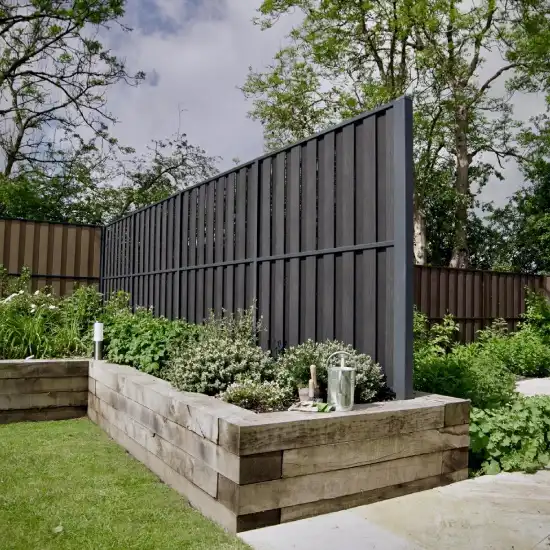
What Makes WPC Fences a More Eco-Friendly Alternative to Traditional Wooden Fencing?
It's not necessary to do much maintenance on the products. In many ways, they are greener than wooden fences.
Reduced Deforestation Impact
For wooden fences to work, the right trees need to be grown. The wood fibers used in the products come from other projects. Habitat and trees are protected by cutting down on the amount of wood that is used. It is good for the environment that WPC recycles plastic.
Lower Carbon Footprint
WPC fencing leaves less of a carbon footprint than wood fencing. Recycle materials and make products that use less energy. Even though they need to be replaced less often, WPC fences last longer. This means that less pollution from transportation is made.
Absence of Harmful Chemicals
You can keep wooden fences from rotting and getting bugs by using pesticides and preservatives on them. The chemicals that these leaks into groundwater and soil are bad for everyone. We don't need to use any chemicals on the products because they don't rot or attract pests. Using them is better for the environment and the nearby ecosystems.
Why Are WPC Fences Gaining Popularity for Their Resistance to Weathering and UV Damage?
WPC fences are very popular because they don't break down or fade when they are exposed to UV light.
Superior Weather Resistance
WPC fences can stand up to the weather. In contrast to wooden fences, they won't shrink, warp, or rot when water gets into them. Water-resistant WPC fences are the best choice if you live in a wet or humid area. The fact that it doesn't crack or break when frozen or thawed means that it will last all year.
UV Stability for Long-lasting Appearance
The best WPC fences don't let UV rays through. When left out in the sun, wooden fences can rot, crack, or even fall apart. WPC fences, on the other hand, last a long time and look good. Chemicals are used to protect the material from the sun while it is being made. This way, UV damage is kept at bay. WPC fences can last for years if they are put in direct sunlight.
Resistance to Biological Degradation
There is no natural wear and tear on the products. There are fungi, termites, and other organisms that eat wood but don't break it down. WPC fences last longer and don't need as many wood treatments because they are better for the environment.
How Do WPC Fences Offer a Cost-Effective Long-Term Solution for Outdoor Fencing Needs?
WPC fencing costs more at first, but it is worth it in the long run because it lasts longer and doesn't need as much maintenance.
Reduced Maintenance Costs
WPC fences are great because they don't need much upkeep over time. When you paint, stain, or seal a wooden fence, you have to do the same for a WPC fence. Over the fence's life, this will save time and money. It saves people money on paint, stain, sealants, and work.
Extended Lifespan and Durability
WPC fences are a good deal since they last a long time. Because they last longer, wooden fences need to be replaced more often than WPC fences. The cost of materials and labor to take down and put up a fence goes down if it lasts a long time. WPC fences last longer than other kinds of fences since they don't rot, get bugs, or wear out over time.
Consistent Performance and Reduced Repairs
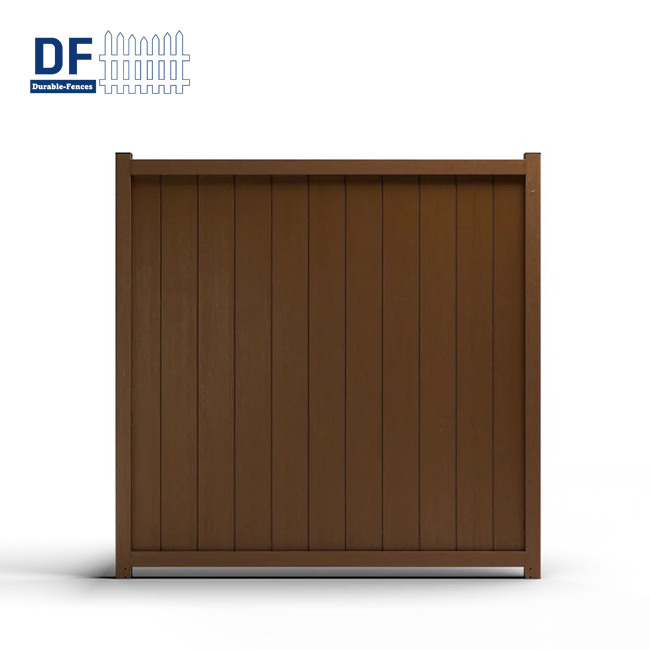
In the long run, WPC vertical composite fence panels always do a good job. WPC fences look better and last longer than wood fences. This saves money in the long run because it cuts down on the need for spot repairs and full replacements. WPC materials don't bend, twist, or sag because they are stable. So, the fence stays in good shape and keeps working without any extra work.
What Are the Design Flexibility and Aesthetic Benefits of Choosing WPC Fences for Your Yard?
WPC fences are great for many outdoor spaces and building styles because they are simple to make and look good.
Versatile Color and Texture Options
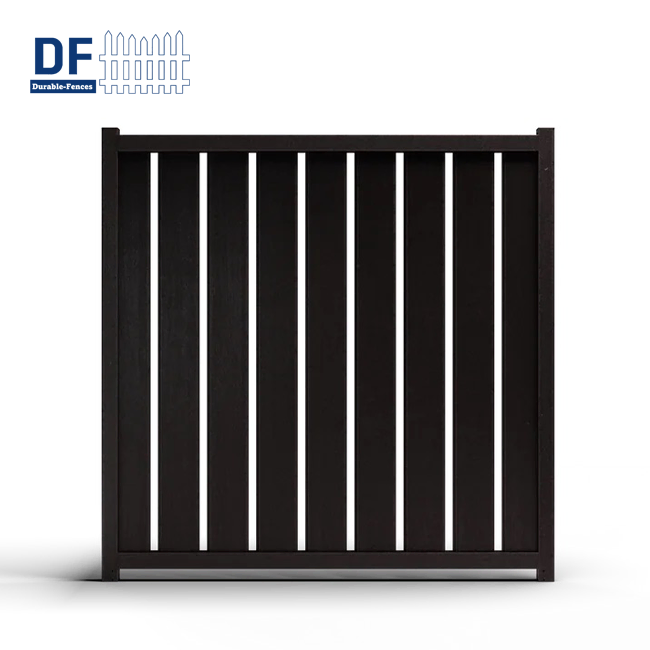
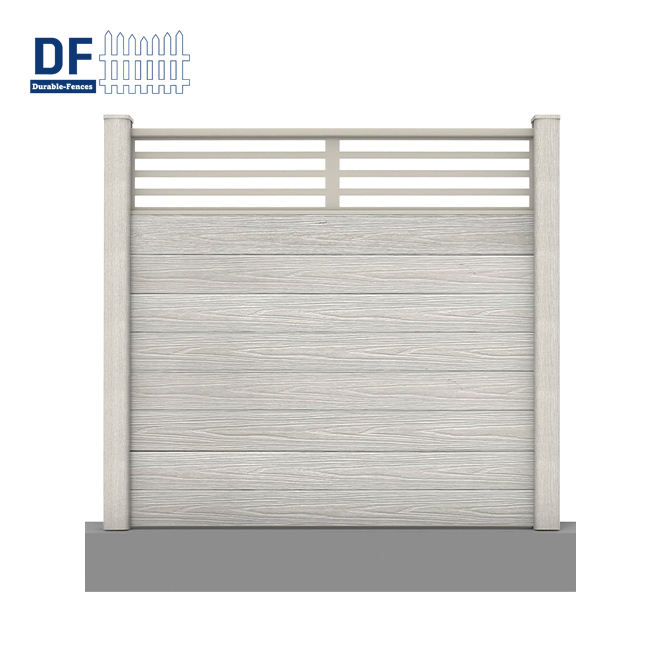
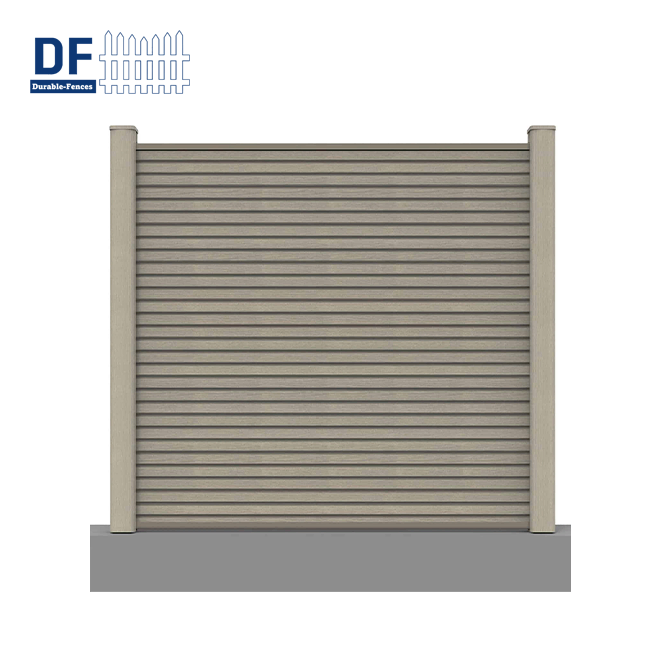
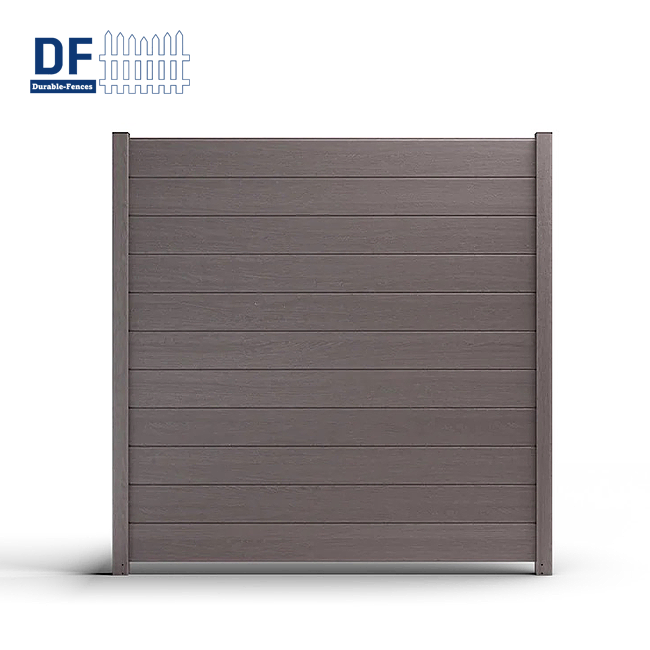
Width, height, and color variations of the products make them look nice. WPCs can look like light cedar and dark mahogany, but they don't have the flaws that real wood does. This way, people can enjoy composite materials and change the way their outdoor space looks. One-color WPC fences look sleek and up-to-date.
Customizable Designs and Patterns
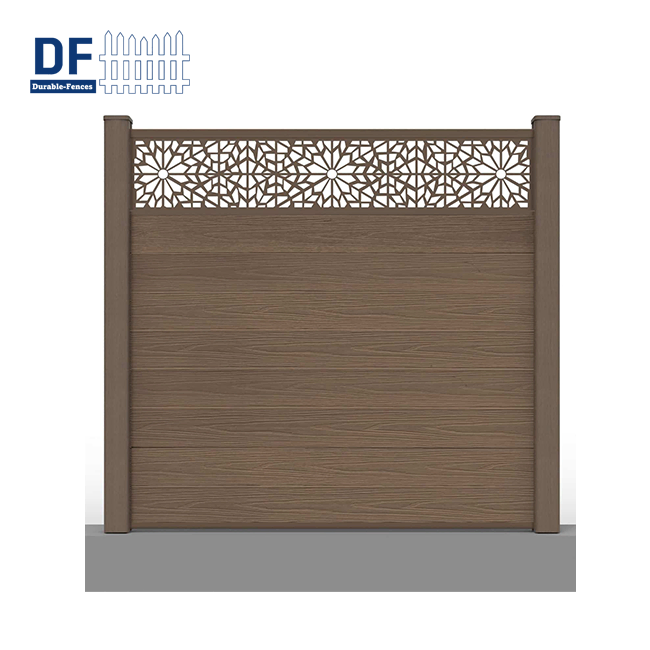
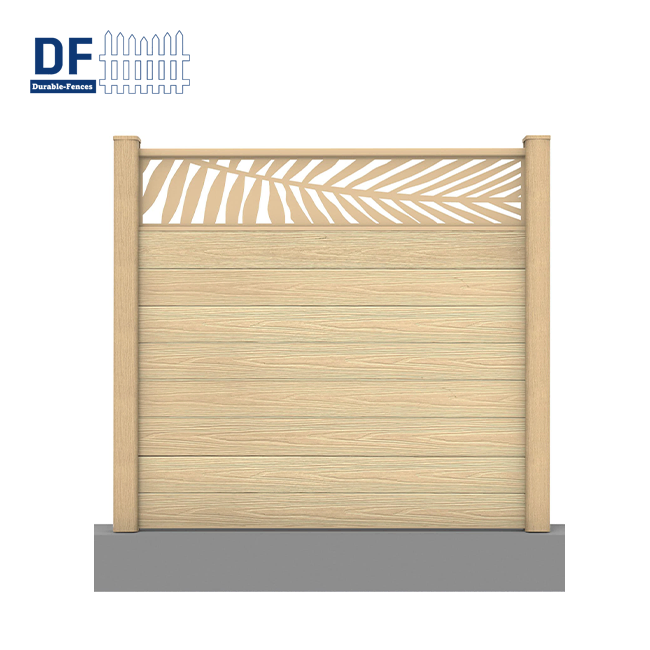
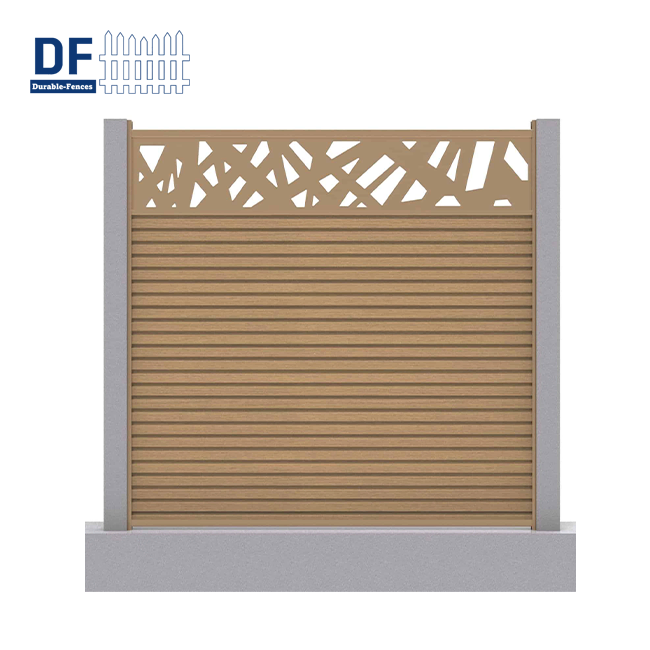
Wall panels made of WPC can be thick and can be shaped in many ways to meet different needs. They can also be decorated with patterns that are made just for you. There are many styles of the products, from the traditional picket fence to the more modern horizontal slat fence. WPC fences can fit any setting or style. Homeowners can make their fencing solutions stand out by adding lattice tops and custom post caps.
Seamless Integration with Landscape Elements
Outside designs look good with the products because they match other parts of the yard. They are great for outdoor living areas because they last a long time and can look like wood. When combined with composite decking, pergolas, and other outdoor buildings, WPC fencing creates a stylish and well-designed outdoor area. Business and people who want to make their outdoor areas look better while still making them useful and long-lasting like WPC fences because they can be used in many ways.
Conclusion
Outside areas that are good for the environment, last a long time, and look good will be made with WPC fences in the future. WPC is better for fencing than other materials because it lasts longer, is better for the environment, and can be made to look different, such as Thick Vertical Composite Fence Panels. People like WPC fences because they are cheap, weatherproof, and don't fade in UV light. They also don't need much upkeep. WPC fencing may become more popular as people care more about the environment and want long-lasting outdoor solutions that don't need much upkeep. By choosing WPC fences, people can make their outdoor areas safer and look better while also being better for the environment. Over the next few years, WPC fencing will be the best choice for outdoor fencing as technology and production get better.
FAQ
1. How long do WPC fences typically last compared to traditional wooden fences?
WPC fences last longer than wood fences. Bad WPC fences need to be fixed up every so often, but a good one can last 25 to 30 years or longer. They last longer because bugs and the weather don't rot or damage them.
2. Are WPC fences more expensive than other fencing options?
It's possible that a WPC fence will cost more than other kinds of fences. Over time, WPC fences are cheaper to fix, maintain, and replace. This is because they don't need much care and last a long time.
3. Can WPC fences be recycled at the end of their life cycle?
A lot of used WPC fences can be changed into new ones. This fence might be able to be recycled if it is made of a certain type of WPC and there are recycling centers nearby. Talk to the company that made the item or your local recycling center for information on how to properly throw away and recycle it.
For Construction Firms, Fence Contractors, Resellers, and End Customers: Discover the Future of Fencing with Durable-Fences
Are you ready to change your fencing projects with WPC today? Durable fences give a lot of people peace of mind. Contractors who build fences get special prices and have the work done by professionals. Construction companies can buy in bulk and have things made to fit their projects. Resellers can choose from many products at low wholesale prices, and end users can get help with their design and find it easy to set up.
We are one of the best WPC fences manufacturer companies that makes WPC fences that follow the rules set by CE, ASTM D7039, and GB/T 24137. We use E0 environmental standards and recycled content certification to show that we care about the environment. Our unique fence choices can improve the look of your outdoor areas. Email us at info@durable-fences.com to talk about your fencing needs and how Durable fences can help make the world a better place to live, work, and play.
References
1. Johnson, A. (2023). "The Rise of Wood-Plastic Composite Materials in Modern Construction". Journal of Sustainable Building Materials, 45(3), 112-128.
2. Smith, R. et al. (2022). "Comparative Analysis of Fencing Materials: Durability and Environmental Impact". Environmental Science & Technology, 56(8), 4721-4730.
3. Green Building Council. (2023). "Sustainable Fencing Solutions for Residential and Commercial Properties". Annual Report on Eco-Friendly Construction Practices.
4. Zhang, L. & Brown, T. (2023). "UV Resistance and Weathering Performance of Wood-Plastic Composites". Polymer Degradation and Stability, 198, 109-117.
5. Thompson, E. (2022). "Economic Analysis of Long-Term Fencing Solutions for Property Owners". Journal of Real Estate Management, 37(2), 205-219.
6. International Association of Fence Manufacturers. (2023). "Global Trends in Fencing Materials and Technologies". Industry Outlook Report 2023-2028.