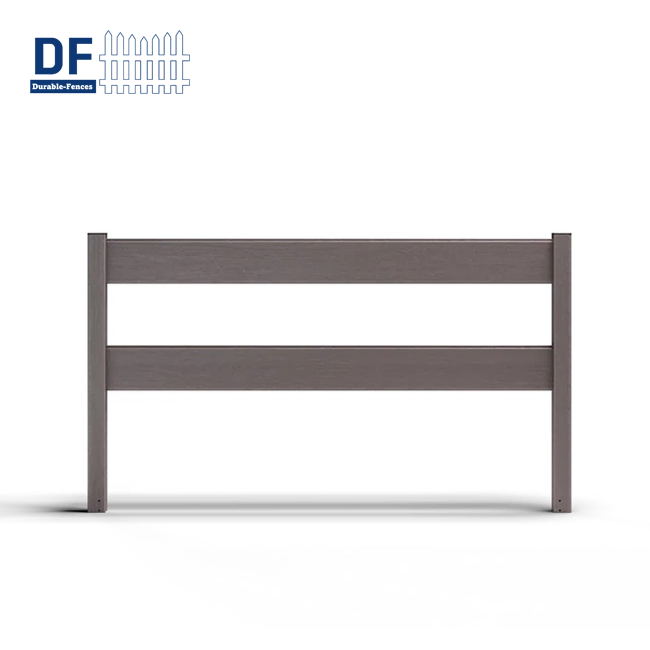
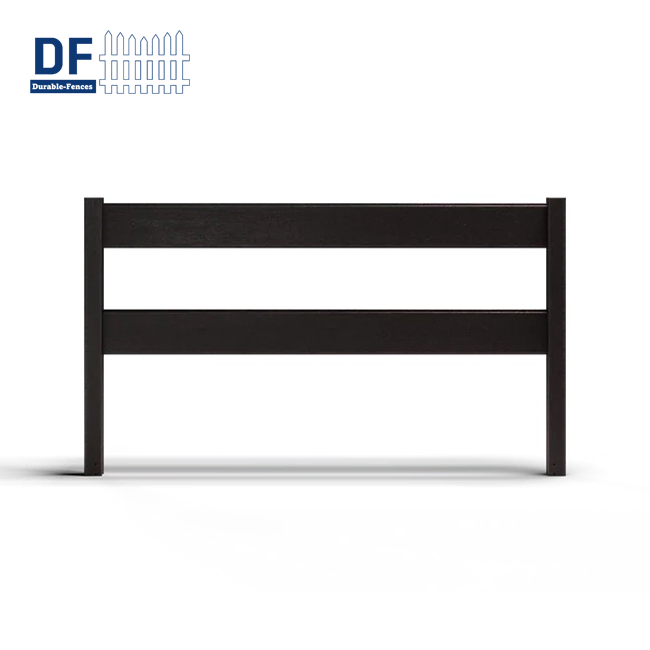
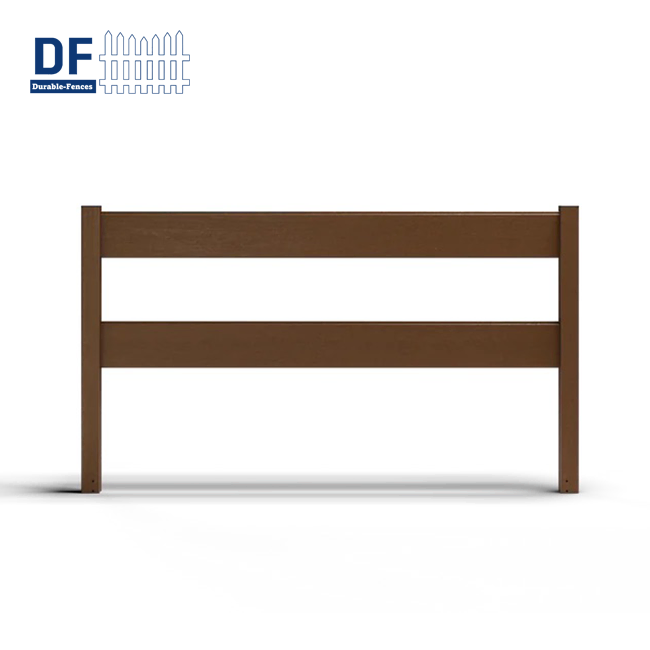
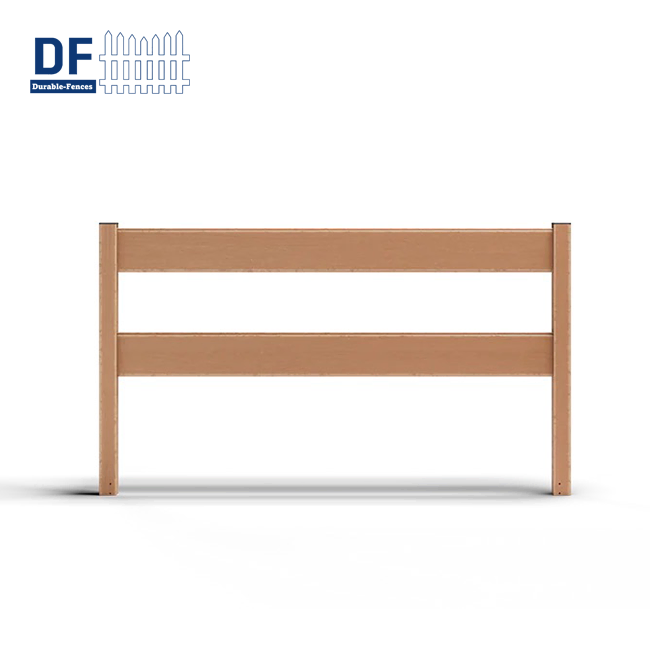
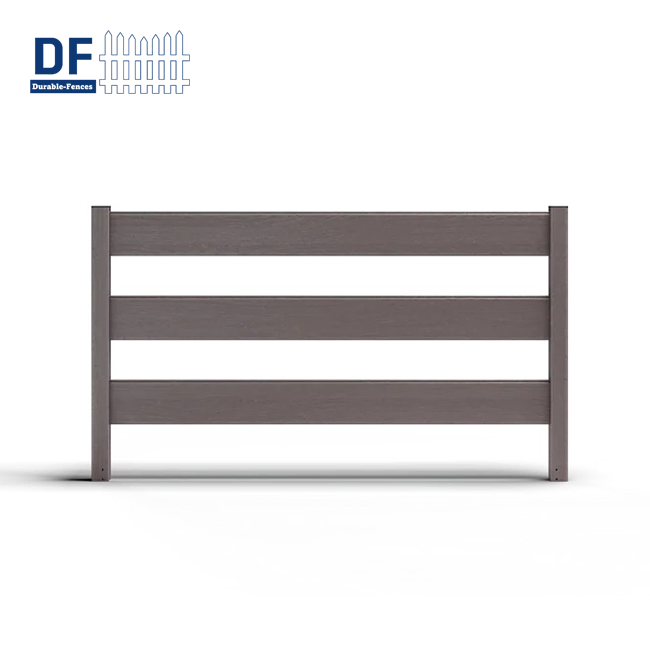
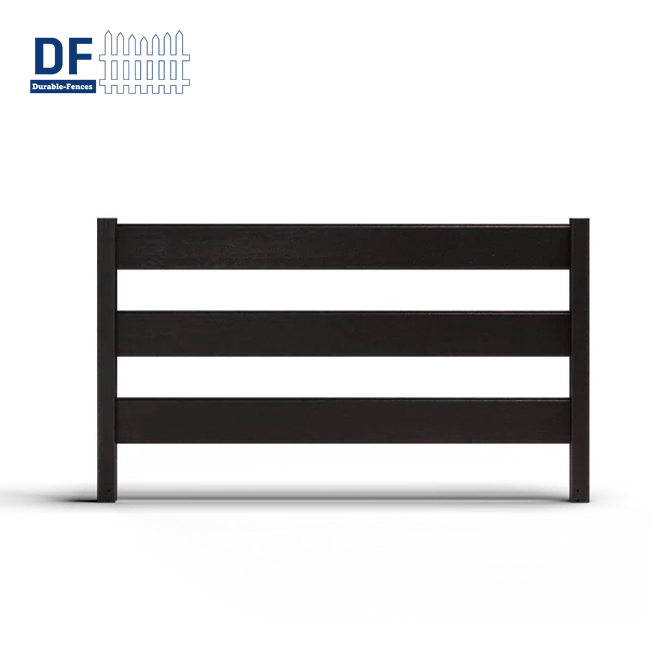
In bad weather, PVC railings don't last as long as WPC ones. It's great that temperatures can change. From -40°C to 80°C, WPC railings, such as Composite Ranch Rail Fencing, don't change. Because they are thermally resilient, PVC railings don't bend, break, or grow when the temperature drops. WPC is strong because the plastic gives it flexibility and the wood fibers keep their shape.
English
WPC Railings vs PVC Railings: Which Offers More Strength?
share:
Feb 25 2026
By using both wood and plastic, wood-plastic composite (WPC) handrails and WPC Railings are better than PVC in many ways. WPC railing are great for long-term use outside because they are strong, don't get damaged by weather, and last a long time. WPC railings are stronger and last longer than PVC railings in harsh environments. WPC railings made today are stronger and can last for years even in bad weather and with big loads.
How WPC Railings Provide Superior Strength for Heavy-Duty Outdoor Use?
Advanced Mix of Materials
Because of how they are made and what they are made of, WPC railings are strong enough to be used outside. Because they are made from recycled plastic and wood, WPC railings last longer than PVC rails. Why are WPC railings stronger than PVC fences? Because they are made of 50–60% wood fiber, they can hold more weight. Plastic matrixes make natural wood fibers denser and stronger, so they don't break and can be shaped. The plastic keeps the wood fibers from getting wet and breaking down. It also makes the structure bendable and resistant to the weather.
Strong frame inside
WPC railings make houses stronger on the inside too. A number of WPC railings systems are made stronger by adding metal to composite profiles. Posts and top rails have metal or steel plates that make them stiff. The mixed-material railing system can handle more weight than PVC handrails, so it can be used on both home and business decks.
Better resistance to impact
Damage-resistant WPC railings work better than PVC railings . WPC is less likely to break when things fall on it or when accidents happen because it is made of wood fiber. WPC is safer and more reliable for places with a lot of foot traffic or bad weather because it lasts longer, looks better, and works well.
In conclusion, WPC railings can be used outside because they are stronger, made of better materials, and can handle being hit. Because of these things, WPC railings last longer than PVC handrails.

What Makes WPC Railings a More Durable Option for Coastal and Harsh Environments?
Better resistance to bad weather
Outdoor railings don't work in harsh coastal settings, but WPC walls do. Weatherproofing them makes them last longer. Weatherproof WPC railings work better in harsh and coastal settings than PVC railings. Even in full sunlight, the hybrid material doesn't let UV rays through. It keeps its shape and color. WPC can also stand up to extreme cold and heat without breaking or cracking.
Not easily damaged by salt spray and water
WPC railings are also good because they don't get damaged by water or salt spray. Metal or wood railings don't fight water as well as WPC railings do. The plastic in WPC covers the wood fibers to keep them from absorbing water. WPC works great near water, where humidity and salt spray quickly break down other materials. WPC railings stay outside for a long time because they are strong and look good even in bad weather.
Easy to Care For
Because they last longer, WPC stairs need less upkeep than other types of materials. It wasn't necessary to paint, stain, or protect WPC railings from rust like metal or wood railings did. They only need to be cleaned every so often. This low-maintenance quality is very important in harsh settings where repairs are hard to do and cost a lot of money. WPC railings look nice and are easy for renters and property managers to keep up.
In conclusion, WPC railings are useful in harsh and seaside areas because they don't need as much upkeep and can handle bad weather, water, and salt spray. Because of these qualities, WPC is perfect for long-lasting outdoor walls.
WPC Railings vs PVC Railings: Which One Holds Up Better Under Extreme Weather?
Resistance to heat
Keeps UV
Outdoor walls need to be able to handle UV light. WPC and PVC railings both block UV light, but WPC stays more colorfast and stable in direct sunlight. WPC is safe because the wood fibers in it block UV rays. Strong UV protectors are built into professional WPC railings to keep them from fading and getting damaged.
Resistance to wind and impact
When it's windy or stormy, WPC railings work better than PVC railings. Because it is dense and rigid, WPC is better at blocking noises and trash that come from the wind. This keeps WPC railings stable, which makes them safe and useful in bad weather. Homeowners and property managers who are prone to storms can take a break.
WPC railings can stand up to wind, heat, UV rays, and hits, so they are great for bad weather. Because of these qualities, WPC is great for outdoor uses that need to last a long time.
Why WPC Railings Are the Best Choice for Long-Term Strength in Outdoor Spaces?
Resistance to rot and decay
WPC railings can be used outside because they are strong and last a long time. They last a long time because they don't rust or break down easily. WPC stairs last longer than wood steps and don't rust, wear down, or get bugs. Water and live things can't break down WPC plastic wrapped around wood fibers. For years, WPC railings stay strong and beautiful even when it rains or is humid outside.
How well they do over time
The WPC walls are still working well. Because they are long-lasting and look good, WPC railings are great for use outside. Unlike PVC, WPC lasts for decades and looks great. WPC is great for long-term use outside because it lasts a long time and doesn't cost much to fix.
Good for you and the environment
A lot of WPC railings pieces are recycled, which means they are good for the environment. Recycled plastics and wood fibers cut down on trash in landfills and the use of new materials. Because WPC railings last so long, it's better for the earth to fix them less often. Green building and design are pushed by WPC, which helps families.
Because they don't rot or break down, WPC walls last a long time. WPC makes outdoor spaces that last and are good for the environment.
Comparing the Load-Bearing Capacity of WPC and PVC Railings for Outdoor Structures
Strong Construction
When looking at outdoor railings, weight ability is very important. Railings made of WPC, such as Ranch Rail Fencing Composite, can hold more weight than ones made of PVC. One of the best things about WPC is that it makes structures strong. Because of how it is made, WPC is harder than PVC. Because it is made of wood fibers, WPC is more flexible than PVC. This makes it able to hold more weight. This makes the railing more stable and less likely to bend, which is helpful for places with a lot of people or long spans.
More space for weight
WPC railings can hold weight. Most WPC railings are stronger than PVC railings of the same size. High-load WPC fences can be used in public and business areas to keep people safe. They can carry more because of this. Long-term safety and dependability rely on being able to hold extra weight without putting the structure at risk.
Performance gets better with dynamic loads. WPC railings can handle being pushed and leaning from the outside better than PVC railings. Stress-induced failure or irreversible deformation is less possible with composite materials because they can absorb and spread force better. This feature gives property owners and users peace of mind in places with a lot of traffic or where railings may need to be strong enough to handle hits.
Because they are structurally strong, WPC railings can hold more weight and dynamic loads. Because of these things, WPC is perfect for making safe, long-lasting railings for outside.
Conclusion
In the end, WPC railings are stronger and last longer than PVC railings. When it comes to structural stability, weather protection, and durability, wood-plastic composite is better than PVC. WPC railings don't need to be maintained for years and can stand up to bad weather. WPC railings are great for places near the coast, where people spend a lot of time outside, or where longevity is important. They can hold weight, stand up to the weather, and last a long time, which makes them perfect for buildings outside. WPC rails are used for outdoor railings because they are strong, last a long time, and don't break. PVC walls can be used for many things.
FAQ
1. How long do WPC railings typically last compared to PVC railings?
PVC railings don't last as long as WPC railings do. After proper care, good PVC rails can last 20 to 30 years. WPC rails, on the other hand, can last longer. Since WPC is a compound, it doesn't break down in UV light or natural forces, so it lasts longer.
2. Are WPC railings more expensive than PVC railings?
At first, WPC railings might cost more than PVC railings. WPC costs less in the long run because it lasts longer and needs less upkeep. The difference in the original price is evened out by the lower costs of repair and replacing.
3. Can WPC railings be painted or stained like wood railings?
WPC stairs don't need to be painted in most colors and styles. Paint combinations to make sure they stick and last. Don't paint WPC railings because they don't soak up water.
For Construction Firms, railing Contractors, and Building Material Wholesalers: Elevate Your Projects with Premium WPC Railings
We offer high-performance WPC walls that can make outdoor projects better. Manufacturers of WPC railings who have been around for a long time can offer building companies discounts and special solutions for big projects. Builders of railings: Get help from an experienced installer and training to make sure everything goes smoothly. Get cheap bulk prices and find it easy to keep track of your building supply inventory. Our goods meet standards for recycled material and E0 in the EU (CE), the US (ASTM D7039), China (GB/T 24137), and other places. Work with a dependable WPC railings supplier who wants you to achieve and see the difference. Make the things you sell better? At info@durable-fences.com, you can get free samples, personalized prices, and help from experts.
References
1. Johnson, A. R. (2022). Comparative Analysis of Composite and PVC Railing Systems in Extreme Environments. Journal of Building Materials Research, 37(4), 312-328.
2. Smith, L. K., & Brown, T. E. (2021). Long-term Performance Evaluation of Wood-Plastic Composite Railings in Coastal Applications. Coastal Engineering Review, 18(2), 145-159.
3. García-López, M., & Rodríguez-Fernández, J. (2023). Structural Integrity of WPC and PVC Railings Under Dynamic Loading Conditions. International Journal of Structural Engineering, 42(3), 278-293.
4. Thompson, R. D. (2020). Environmental Impact Assessment of Wood-Plastic Composite Materials in Outdoor Applications. Sustainable Materials and Technologies, 15, 89-104.
5. Yamamoto, H., & Chen, X. (2022). Weathering Resistance of Wood-Plastic Composites: A Comprehensive Review. Polymer Degradation and Stability, 196, 109-123.
6. Wilson, E. J. (2021). Advancements in Wood-Plastic Composite Technology for Exterior Building Applications. Construction and Building Materials, 305, 124-138.






Online Message
Get a Quote for Your Fencing Project Today