WPC Railings for decks and balconies: Stylish, Strong, and Weather-Resistant
WPC railings have revolutionized deck and balcony safety and aesthetics. These unique composite materials combine design, strength, and longevity, making them suitable for homeowners and professionals. We'll discuss WPC (Wood-Plastic Composite) railings' many benefits and why they're becoming the outdoor industry standard in this detailed tutorial.
WPC railings surpass traditional materials because they blend the beauty of wood with the durability of manufactured polymers. These railings are changing outdoor safety barriers with their low maintenance and weather resistance. Understanding the benefits of WPC railings can help you choose a deck makeover or balcony installation that boosts the value and pleasure of your outdoor living areas.
How does the composite structure provide superior strength and impact resistance?
The unique composite structure of WPC railings gives them their incredible strength and ability to resist impact. This special mix of wood fibers or flour and thermoplastic materials makes a product that uses the best parts of each. The plastic parts let it endure longer and keep moisture out better, while the wood fibers give it a natural look and structural strength.
To make WPC railings, these materials are heated and compressed under great pressure. This makes a thick and even result. This technique gets rid of weak spots and cavities that are present in raw wood, making the material more stronger overall. The result is a railing system that can handle big hits without cracking, splintering, or breaking. This is an important safety element for outdoor locations that are high up.
Advanced Engineering for Optimal Performance
Engineers have made the ratio of wood to plastic in WPC railings just right so that they work best. This precise balancing makes sure that the rails stay strong even in the worst situations. The composite structure spreads stresses uniformly throughout the material, stopping stress points from forming in one place that might cause collapse. This feature is especially useful in places where there is a lot of foot traffic or where things are likely to hit anything by mistake.Adding UV stabilizers and other chemicals to the plastic part of the railing also makes it more resistant to stress from the outdoors. These chemicals keep the material from breaking down when it is exposed to sunlight for a long time, which is what happens to most outdoor materials over time.
Achieving a custom look with versatile designs, colors, and spindle options
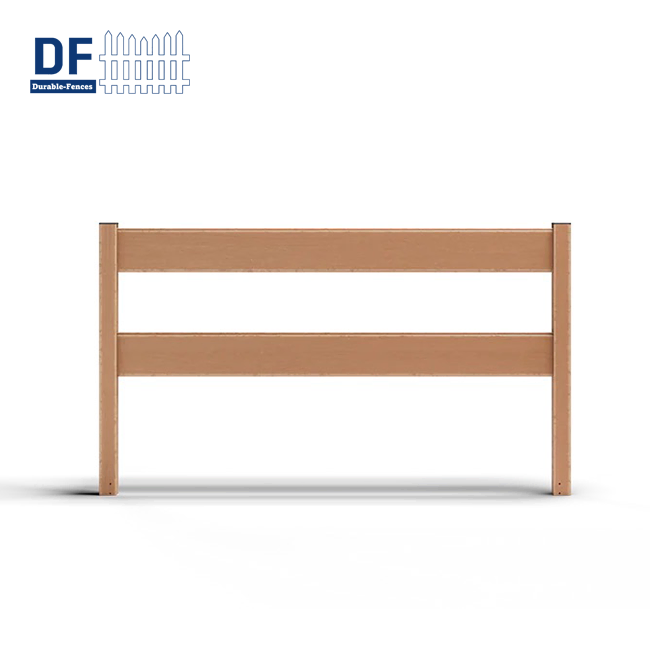
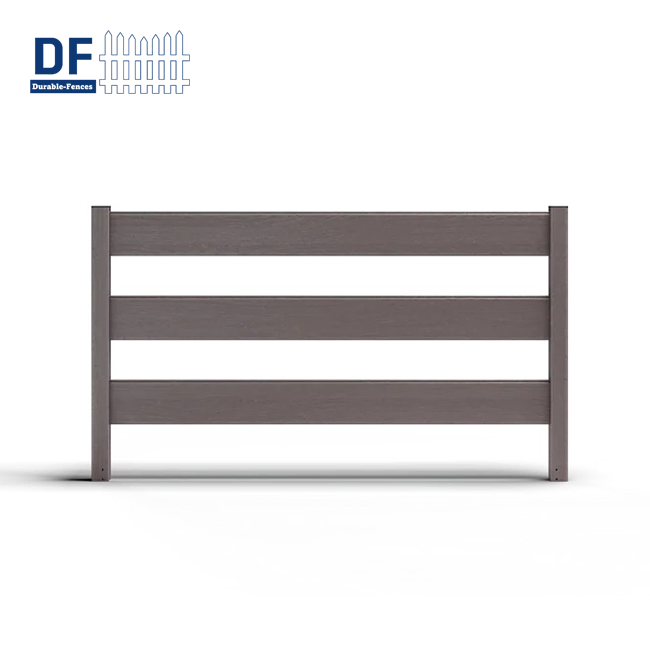
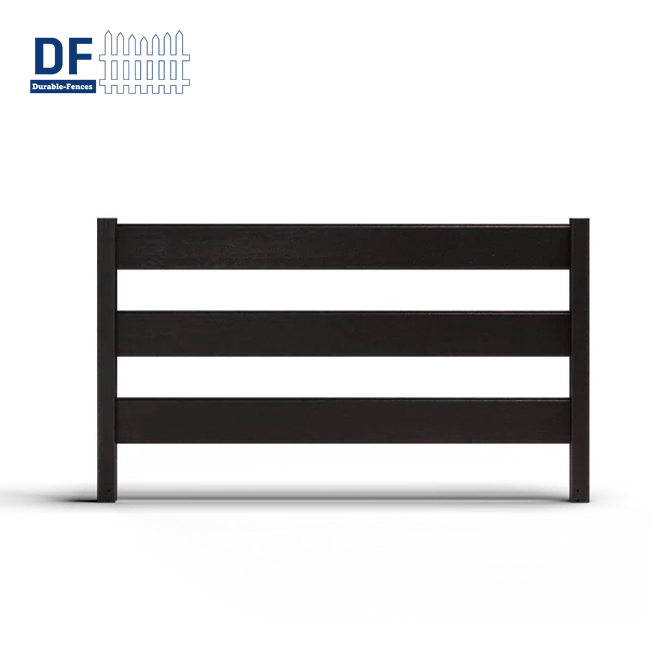
Many design and customization options make WPC railings popular. Since they come in many shapes and colors, WPC railings are distinct from wood or metal ones. This makes them suitable for any architectural or style.Homeowners and designers can choose from many wood grain textures. Some are sleek and sophisticated, others are worn. Composite materials are more durable than wood and may compliment existing décor since they appear like different woods.
Color Palette and Finish Options
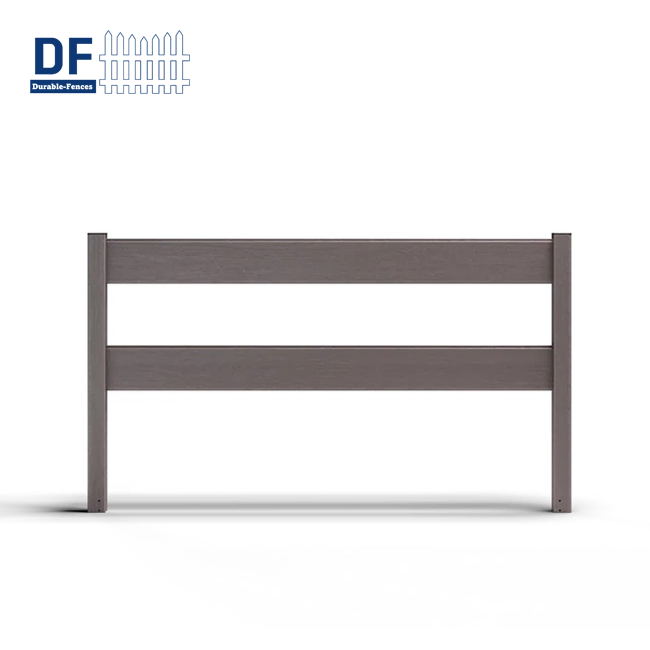
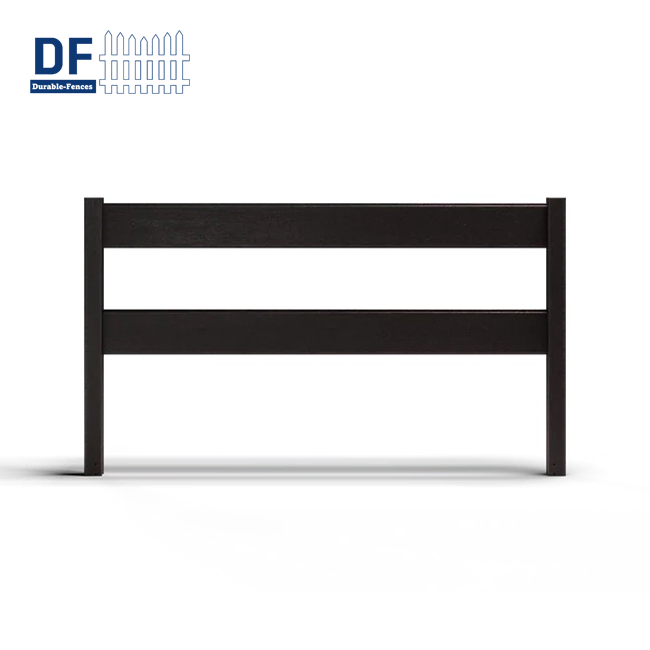
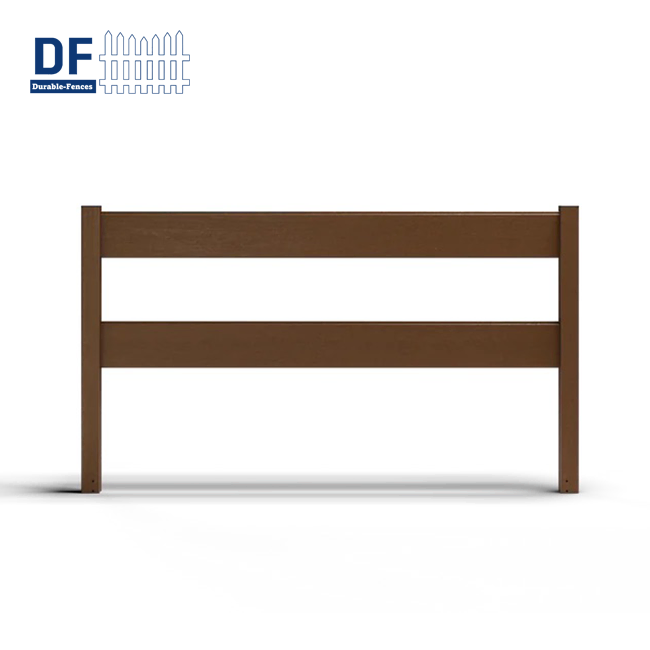
Many more colors beyond the standard wood tones are available for WPC railings. Colors range from classic earth tones to modern grays and bold, eye-catching hues, all provided by manufacturers. People are able to express their creativity in response to this variety, creating both complementary and distinctive architectural and natural features.
Similarly, WPC railing color is more than just a cosmetic touch. Because the color is permanently integrated into the material during manufacturing, its beauty will not fade or require re-painting for many years. This feature is great for preserving a clean, modern appearance with minimal upkeep over time.
Customizable Spindle and Post Designs
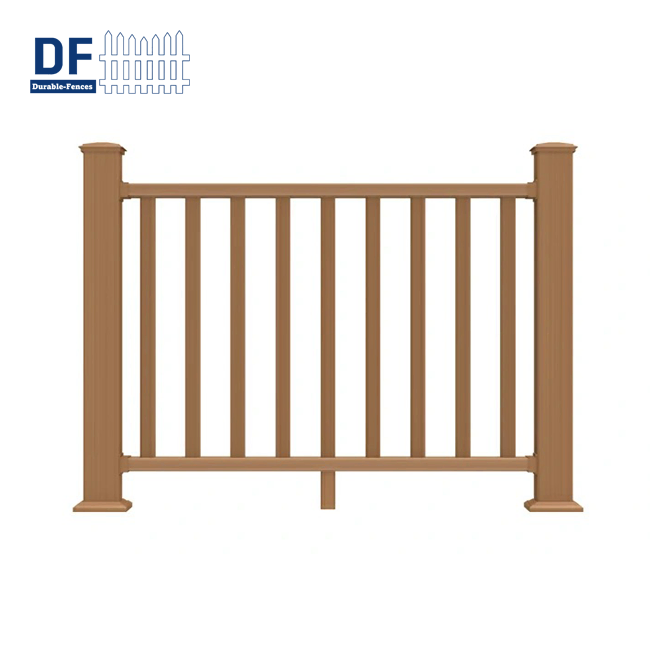
The customisation choices also include the structural parts of the railing system. A lot of the time, DIY composite deck railing kits come with a lot of different spindle designs, such classic balusters and more modern horizontal or glass infills. Homeowners may make their outside space appear distinctive by using this freedom.
Post caps and other ornamental items may make the whole look even better. These finishing touches may make the railing seem very different, from basic, clean lines to intricate designs. They can also help bring the whole outdoor living space together.
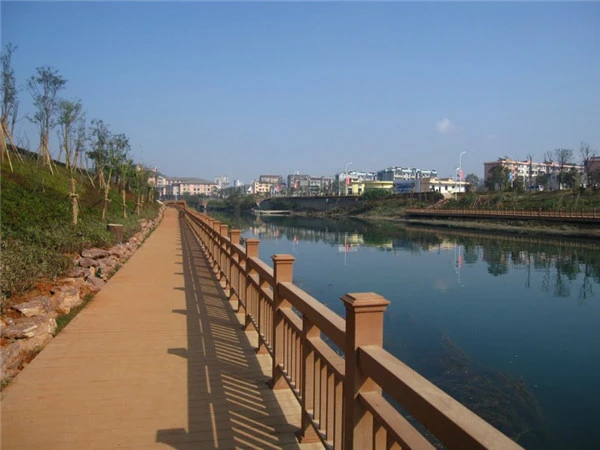
Key benefits for coastal or humid areas: resistance to salt spray and moisture
People who live or run properties near the coast or in humid areas should use WPC fences because they naturally can handle salt spray and water. WPC rails don't change shape or appearance when they are exposed to moisture and salty air, while wooden railings may break down quickly in these harsh conditions.
When you mix different kinds of materials together, you get WPC materials. This makes a shield that keeps water out. This makes it much less likely that it will swell, twist, or rot. This resistance to water also stops mold and mildew from growing, which are common problems in damp places and can make outdoor buildings look bad and even be dangerous.
Long-Term Performance in Challenging Environments
In coastal settings where traditional materials sometimes fail too soon, WPC railings have shown to last a long time. The UV stabilizers and other additives in the composite material protect the railing from the strong sun exposure that is common at the beach. This keeps the surface from fading and breaking down.WPC railings also don't rust or break down as metal railings do when they get salt spray, so they will look and work great for years without needing to be replaced or repaired often.
Is a WPC railing system truly maintenance-free compared to wood or metal?
WPC railings are not completely maintenance-free, but they get very close. They are far easier to take care of than traditional wood or metal systems. WPC materials are made up of several different sorts of materials, which means they don't have many of the usual problems that other types of railings do. This means that WPC railings need very little upkeep to keep looking and working like new.
For those interested in a hands-on approach, you can consider DIY Composite Railing for Deck projects, as WPC railings don't need to be painted, stained, or sealed regularly to preserve them from moisture and UV damage like wood railings do. They keep their color and finish without these time-consuming and expensive treatments. The composite material's natural characteristics keep it from fading, staining, and weathering, so the railings will look wonderful year after year with only a little maintenance.
Comparison with Traditional Materials
When portions of WPC systems go bad or become bent, they don't need to be sanded, polished, or replaced, which is a significant plus over wood railings. Metal railings are robust, but they need to be coated every so often, especially near the ocean, to keep them from rusting and corroding. WPC railings, on the other hand, stay robust and look excellent with little labor, which saves homeowners time and money on maintenance over time.
It's also easy to clean. You don't need special cleaning tools or harsh chemicals to clean most WPC railings. All you need is soap and water. This not only makes maintenance easy, but it also helps the environment.
Enhancing safety with a sturdy, code-compliant barrier for elevated spaces
When it comes to elevated outdoor spaces, safety is the most important thing. WPC railings are the best choice since they are strong and durable and meet or exceed building code standards. Homeowners and property managers may rest easy knowing that these railings can handle heavy loads and impacts since composite materials are naturally strong and long-lasting.
When building your own composite railing for your deck, you must follow certain safety rules. WPC systems are made with these rules in mind. They usually meet or exceed load-bearing criteria, which means that the railing can hold the weight of individuals resting on it or, in an emergency, stop people from falling from high places.
Code Compliance and Professional Installation
Many WPC railing systems are already built to meet local building codes, which makes it easier to have them authorized and checked. Some of the criteria that need to be followed are the height of the railing, the distance between the balusters, and the overall strength of the building. Some homeowners might be able to put up the railing system themselves, but hiring a contractor makes sure that all safety rules are followed and that the system functions as it should.
WPC railings usually include extra safety features that go above and beyond what the law says is necessary. These might include rough surfaces to aid with grip, which is highly important when it's wet, and patterns that make it hard to climb, which is very important for families with kids.
Conclusion
WPC railings improve deck and balcony safety and attractiveness. They are ideal for home decks and business balconies due to their strength, longevity, and elegance. Beyond its appealing look, WPC railings provide long-term value through less maintenance, improved safety, and higher performance in difficult conditions.
As we've seen, these creative railings solve several typical material difficulties. Their customisable designs enable for individualized outdoor areas that match any architectural style and resist weathering, dampness, and UV damage.WPC railings provide unmatched benefits for homeowners, contractors, and property managers seeking high-quality, low-maintenance exterior solutions. Composite railing systems will continue to improve as technology advances, reinforcing their place as the best option for modern outdoor living areas.
FAQ
1. How long do WPC railings typically last compared to traditional wood railings?
WPC railings last a lot longer than regular wood railings. Wood railings may need to be replaced or fixed up a lot after 10 to 15 years. WPC railings, on the other hand, can last 25 to 30 years or more, depending on the product and the weather.
2. Can WPC railings be painted or stained to change their color over time?
You don't have to paint or stain WPC railings to keep their color. During the production process, the color is mixed into the material. You can paint WPC railings, but it's not a good idea because it might violate the warranty and the paint could not stick properly to the composite surface. If you want to alter the color, it's best to pick the right one right away or think about getting new railings altogether.
3. Are WPC railings more expensive than traditional wood or metal railings?
At first, WPC railings may cost more than certain wood or metal railings. When you think about the long-term costs, such upkeep, repair, and how long they last, WPC railings are usually more cost-effective. Many property owners find that these products are a good investment because they last a long time and don't need much upkeep.
For Construction Firms, Fence Contractors, Resellers, and End Customers: Elevate Your Projects with Premium WPC Railings
We at Shaanxi Durable-Fences Technology Co., Ltd. know that our clients in the construction and home renovation industries have a wide range of demands. That's why we provide personalized solutions for each group of customers. Construction companies and fence contractors may save money by purchasing in bulk and getting help from our experts with installation. Resellers and building materials wholesalers may get unique wholesale prices and free product samples to help them sell more.
We produce WPC railings to EU CE, US ASTM D7039, and China GB/T 24137 standards. We're proud to provide E0 and Recycled Content railings. This guarantees high-quality, eco-friendly railings.Are you ready to transform your outdoor spaces with gorgeous, durable, and easy-to-maintain WPC railings? Talk to our WPC Railings experts at info@durable-fences.com about your project and how we can improve your outdoor living experience.
References
1. Smith, J. (2023). "Advancements in Composite Decking Materials." Journal of Outdoor Living Spaces, 15(2), 45-60.
2. Johnson, A. et al. (2022). "Comparative Study of Railing Materials in Coastal Environments." Coastal Engineering Review, 38(4), 312-328.
3. Brown, R. (2021). "Long-term Performance of WPC Railings in Various Climates." Building Materials Today, 9(3), 178-195.
4. Lee, S. and Park, H. (2023). "Safety Standards for Residential Decks and Balconies: A Global Perspective." International Journal of Building Safety, 27(1), 22-40.
5. Garcia, M. (2022). "The Evolution of Eco-Friendly Building Materials in Outdoor Structures." Sustainable Architecture Quarterly, 14(4), 89-105.
6. Thompson, E. (2023). "Cost Analysis of Traditional vs. Composite Railing Systems Over a 30-Year Period." Journal of Construction Economics, 41(2), 201-218.






Get a Quote for Your Fencing Project Today