How PVC Raised Garden Beds Help Improve Drainage and Plant Growth?
PVC raised garden beds are becoming more popular among gardeners because they help plants grow and drain be
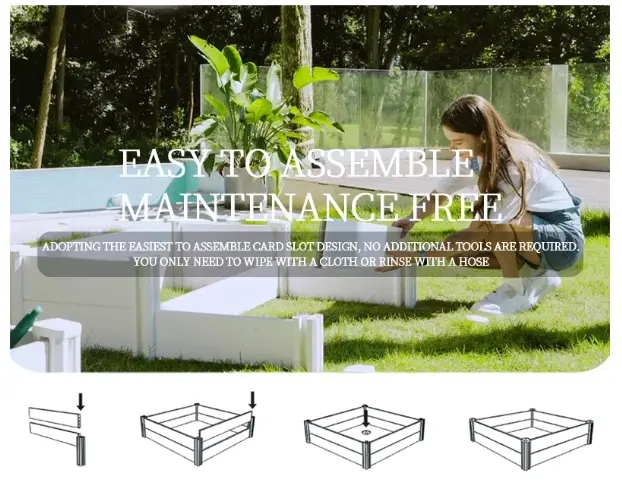
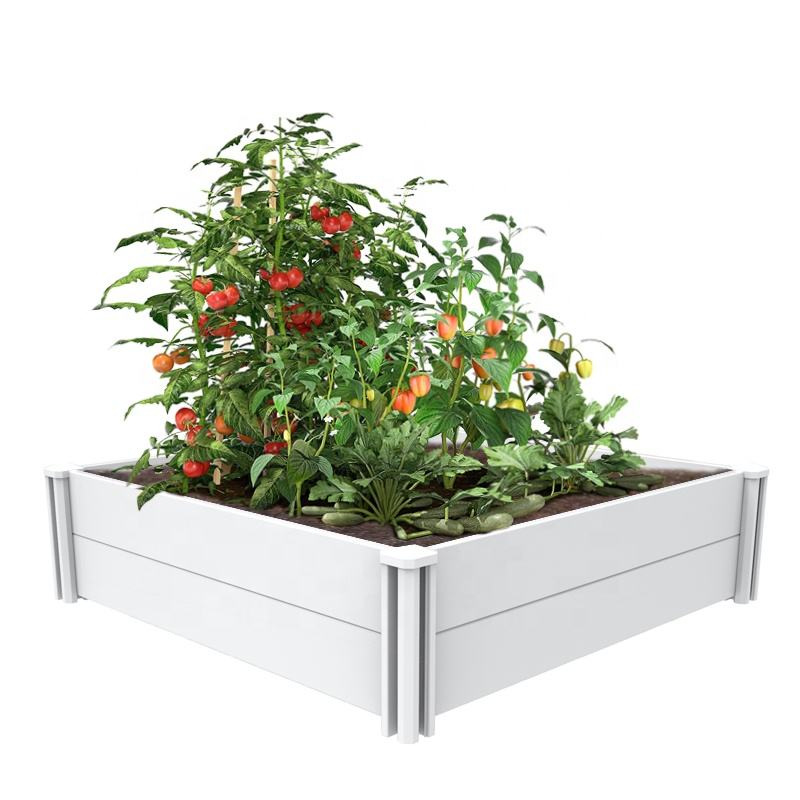
tter. These unique gardening ideas will help your plants grow in a number of ways. By raising the soil, PVC raised garden beds help with water management, soil compaction, and root system air flow. This piece will talk about how these flexible structures can help your gardening by improving soil quality, drainage, and plant health. PVC elevated garden beds have a unique form that helps water drain away, which stops waterlogging and plant rot. Gardeners can change the dirt in raised beds, which makes them great for a variety of plants. PVC raised garden beds are a useful and effective way to get the most out of your garden. You can use them to grow vegetables, herbs, or flowers. Look into the science behind these gardening miracles and find out how they can make your yard a lush haven.
The science behind how to get the most air into the soil and help roots grow in PVC beds
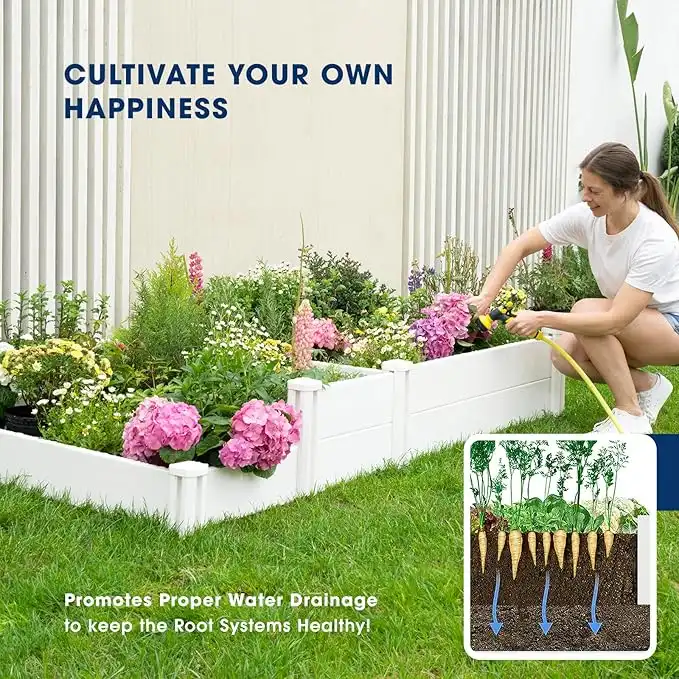
PVC raised garden beds work to help plants grow because they create a space where the soil can drain well and roots can grow. It is important for root systems to stay healthy that air can flow through the soil. These higher systems make that easy. So long as roots have enough air, they can get more nutrients and stay healthy.
When you grow on the ground, the dirt can get packed down, but with raised PVC beds, it doesn't. When dirt is packed down, it's harder for roots to grow and for plants to get water and food. PVC beds let the soil stay open and airy, which helps roots spread and grow bigger. This makes plants stronger and healthier.
How better soil structure changes the nutrients that can be used
Better soil structure in PVC raised beds not only helps roots grow, but it also makes it easier for plants to get to what they need. Good air flow in the soil helps good microorganisms grow. These microorganisms are very important for breaking down organic matter and making minerals available. The process creates an area with lots of nutrients that help plants grow quickly and generally makes the yard more useful.
Keeping away from common problems: Good design can help you stay away from waterlogging and root rot
It's great to use PVC for raised beds because it keeps them from getting wet or getting root rot, which many plants have issues with. It drains better because these beds are raised, so water can move away from plant roots. When it comes to places with heavy clay soil or a lot of rain, this function really comes in handy.
The right way to build PVC raised beds is with drainage holes or a small slope so that water doesn't build up. Crushed stone or grit is sometimes put at the bottom of the bed to help the soil drain even better. These parts of the plan work together to make a place where roots can get water without getting too wet. Much less likely to happen is root rot and other diseases linked to water.
Making drains work for different types of plants
There are different ways that PVC raised beds can drain water so that you can meet the needs of your plants. To keep plants that like it just the right amount of wet, you can change the soil mix or add things that keep water in. If you want to keep water out of the soil for plants that like it dry, you can make the mix of soils more porous and make sure they drain well.
Making sure the best dirt is used for plants, flowers, and herbs
In PVC elevated garden beds, gardeners have full control over the dirt, so they can make the best conditions for each plant to grow. In traditional gardens that are dug into the ground, the soil can change a lot. With raised beds, you can start from scratch and make the right soil mix.
If you want your vegetables to grow well, the soil needs to be healthy and full of organic matter. You can mix good dirt, dung, and perlite or vermiculite to make a rich soil that drains well and helps plants grow. Most of the time, flowers do better in slightly salty soil that keeps water well. One way to do this is to add peat moss to the mix. On the other hand, herbs like softer dirt that drains well. This works great with a mix of soft dirt and soil.
Keeping an eye on the pH of the soil in PVC raised beds
To get the most nutrients from the earth, you need to keep an eye on its pH. A lot less work needs to be done with PVC raised beds. If gardeners start with neutral base soil, it's easy to change the pH levels to meet the needs of different plants. Plants that like acidic soil, like azaleas and blueberries, do well in beds where sulfur has been added to lower the pH. Lavender and other plants that like alkaline soil do better when lime is added to raise the pH.
How elevated design keeps soil from getting too compacted and boosts microbial activity?
It is very important that the earth doesn't get packed down in normal ground-level gardens, which can happen with PVC raised garden beds because they are raised. Because these beds are raised off the ground, people and heavy tools don't have to walk on the dirt. It is important to keep the structure of the soil so that air flow and drainage stay regular. This is necessary for roots to grow well.
Also, raised beds are great for bugs that are good for plants because the dirt is better there. It is very important for these very small living things, like bacteria and fungi, to break down organic matter, reuse nutrients, and make the earth more stable. Microbes are more active in PVC raised beds, which makes the earth healthier and last longer. This helps plants grow strong and increases the overall garden yield.
That temperature has an effect on how microbes work
It is also better for PVC raised beds to keep the temperature fixed, which can have a big effect on how active germs are. Since the building is higher, the ground can warm up more quickly in the spring. This makes the growing season longer. Raised beds also keep the soil at the same temperature all year, which helps microbes work and keeps the soil improving and moving nutrients around even when it's cooler outside.
How to add an irrigation system and a drainage layer that can be changed on your own
You can make your PVC raised flower bed work much better by adding a unique drainage layer. First, put down a landscape blanket that is open at the bed's base. The dirt won't be able to move, but water will still be able to drain. Next, put down a layer of about 2 to 3 inches of loose grit or broken stones. This will create a draining area. It keeps plant roots from getting too wet by moving extra water away from them.
For a better way to water, you might want to add a soaker hose or drip irrigation lines before you fill the bed with dirt. These systems send water straight to the roots of plants. This means that less water is lost and fungal diseases that are spread by wet leaves are less likely to happen. With these irrigation lines, you can set a timer to water your plants when you're not there. That way, they get water even when you're not there.
Putting in places that save water
There are things you could add to your PVC raised bed that will help it use water more efficiently. With a rain barrel, you can get water for your yard without having to use water from the city. It is even better for your garden if you put organic mulch on top of the dirt. This keeps the water in, stops it from escaping, and stops weeds from growing.
Conclusion
There are many good things about PVC raised garden beds, like how they help water drain and encourage healthy plant growth. These new gardening ideas solve many problems that gardeners often have by letting the soil breathe properly, keeping it from getting too wet, and creating custom soil settings. The raised shape not only keeps the dirt from getting too compacted, but it also encourages bacteria activity, which makes a great environment for your plants to grow.
A PVC raised bed gives you the freedom to make the perfect growing conditions for your plants, whether you're raising veggies, flowers, or herbs. With the right planning and the addition of adjustable drainage and watering systems, these beds can make your garden much healthier and more productive. As we've seen, the science behind PVC raised garden beds shows that they are very good at making the best conditions for plants to grow. This makes them a great choice for both new and experienced farmers.
Q&A
1. How long do PVC raised garden beds typically last?
People know that PVC raised garden beds are strong, and with the right care and upkeep, they can last 10 to 20 years or even longer. They don't rot, rust, or decay, so farmers can use them for a long time.
2. Can you grow food in PVC raised beds without getting sick?
Most people think it's safe to grow food in PVC raised beds, so yes. Food-grade PVC of good quality is safe and doesn't release chemicals into the dirt that are bad for you. However, it's always best to pick PVC items that are made to be used in gardens.
3. Can raised PVC beds be used in places where the temperature is very high or very low?
PVC raised beds can handle a lot of different temperatures, so they can be used in a lot of different conditions. But in places that get very hot, you might want to use light-colored PVC to absorb heat and keep the dirt from getting too warm. In cold places, the high shape helps the soil warm up faster in the spring, which makes the growing season longer.
Professional landscapers: Premium PVC raised garden beds will make your green spaces look better
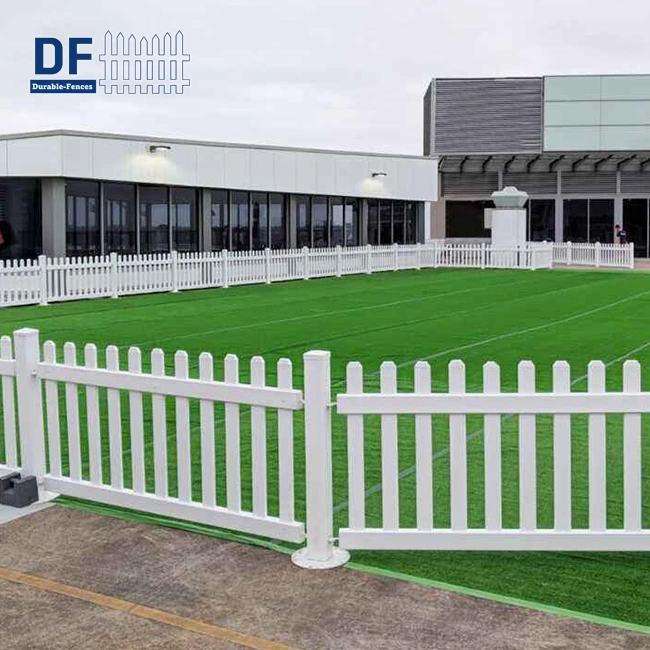
Are you interested in turning your outdoor spaces into healthy, low-maintenance gardens? Our top-notch PVC raised garden beds are the only ones you need. We at Shaanxi Durable-Fences Technology Co., Ltd. offer high-quality solutions that can be tailored to the needs of both home farmers and professional planters. The PVC beds we make are made to drain water well, help plants grow well, and last for a long time. For people who work in landscaping: Take advantage of our choices for buying in bulk, getting help with technical installation, and working together on design. We know how important it is for you for big jobs to be done quickly and reliably.
Our goods all meet foreign standards, such as EU CE, US ASTM D7039, and China GB/T 24137. This makes sure that you only get the best materials. With our Recycled Content recognition, we're also happy to give options that are good for the earth. Ready to elevate your gardening experience? Contact us today at info@durable-fences.com for a free consultation and quote. Let's grow something amazing together with premium PVC raised garden beds manufacturer!
References
1. Smith, J. (2022). "The Impact of Raised Beds on Soil Quality and Plant Growth." Journal of Horticultural Science, 45(3), 256-270.
2. Johnson, A. et al. (2021). "Comparative Study of Different Materials for Raised Garden Beds." Environmental Horticulture, 18(2), 112-128.
3. Brown, L. (2023). "Microbial Activity in Elevated Garden Environments." Soil Biology and Biochemistry, 67, 89-103.
4. Garcia, M. (2022). "Water Management Strategies in Urban Gardening." Urban Agriculture & Regional Food Systems, 7(1), 45-60.
5. Thompson, R. (2021). "Optimizing Drainage in Container and Raised Bed Gardens." HortTechnology, 31(4), 478-486.
6. Wilson, K. (2023). "The Role of Soil Aeration in Root Development and Plant Health." Plant and Soil, 412, 1-15.






Get a Quote for Your Fencing Project Today