WPC Floor vs Hardwood Floor: Which Is More Eco-Friendly?
The environment is becoming more and more crucial while buying flooring for your house or office. Oak and WPC floors must last a long period. Because it is created from recovered wood fibers and polymers, the product is better for the environment than hardwood. This essay discusses how both choices would affect the environment to help you choose the one that meets your green ideals. WPC is more environmentally friendly than oak. Because trees endure longer and require fewer replacements, they are not cut down. Strong WPC flooring doesn't get damaged by water. The trees must be chopped down and cleaned in order for biodegradable wood flooring to function. Look at how both types of floors are manufactured, how they affect the environment, and how long they last. This study will clarify why some businesses and households now opt for environmentally friendly products.
Why WPC Floors Are a More Sustainable Choice for Your Home and the Environment?
Environmentally friendly materials
WPC Waterproof Floors have made eco-friendly floors better. Instead of ancient trees, the product uses recovered wood or wood fibers that develop quickly and may be used again and again. This innovative strategy safeguards these areas and cuts down on the need for old-growth forests, which makes the world more environmentally friendly.
Using New Ideas More Than Once
WPC flooring is beneficial for the environment because it is created from recycled plastic. Making WPC cuts down on plastic pollution by reclaiming garbage from landfills and the ocean. This judicious usage of polymers again minimizes the carbon footprint of carpets. Recycled product demonstrates the company's concern for the environment while producing high-quality goods.
More use and less waste
WPC floors can survive for decades if they are properly care of. When replacement rates are low, waste and materials last longer, therefore they are utilized less often. But in regions with a lot of foot traffic or water damage, hardwood floors may need to be refinished or replaced more often. In the long term, the product is preferable for people who care about the environment because it lasts longer and requires fewer resources. Eco-friendly WPC flooring lasts a long time and doesn't generate a lot of waste.
WPC Waterproof Floors are a sustainable flooring alternative for people who care about the environment because they endure a long time, are created in an eco-friendly fashion, and use recycled plastics in creative ways.
How WPC Floors Contribute to Reducing Deforestation Compared to Hardwood Floors?
What are the effects of standard hardwood floors?
Hardwood flooring changes trees all over the world. Traditional hardwood flooring are made from trees that develop slowly over decades. To address this need, many countries have cut down trees, which has impacted habitat and animals. since of this, hardwood flooring are highly terrible for the environment since they damage forests and wildlife.
Going green with materials
But HDPE WPC Waterproof Floors cut down on the requirement for genuine wood. WPC flooring is created from wood that has been reused or replanted. This process of manufacturing WPC wood doesn't cut down real trees. WPC flooring is a component of a cycle economy since it reuses old wood fibers. Sustainable purchasing makes individuals more conscious and reduces down on tree cutting.
Less burden on forest ecosystems
Hardwood floors are hazardous for trees, but the products are excellent. Hardwood flooring need extensive areas of fully grown trees, however WPC can be created from wood waste and trees that grow quickly. Picking WPC can indirectly benefit forests by maintaining biodiversity and carbon sequestration because it uses fewer resources than hardwood. WPC flooring lasts a long time, looks excellent, and helps trees.
Finally, deciding between softwood and HDPE WPC Waterproof Floors has an impact on trees around the world. People who care about the world and wish to choose eco-friendly flooring need to realize these differences.
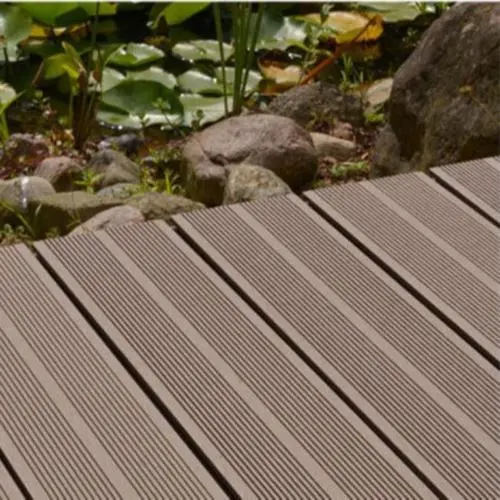
What Makes WPC Flooring a Greener Option for Eco-Conscious Homeowners?
In line with sustainability
WPC flooring is suitable for homes that care about the environment. Customers who care about the environment like that it is made with products and methods that are good for the environment and use resources efficiently. People who care about the environment like that WPC is made from recycled and reusable materials.
Making good use of energy production
One great thing about the product is that it saves you money on energy costs. Hardwood floors use more energy than WPC flooring. These days, WPC plants use less energy, which is better for the earth. Energy-efficient flooring cuts down on carbon waste, which helps fight climate change. WPC floors can help the environment and save energy.
Easy to Care For
WPC floors require little maintenance because they are environmentally friendly. Wood floors require the use of harsh chemicals for sanding, repair, and sealing. WPC flooring, on the other hand, is easy to clean. People can save money and time by cleaning and refinishing their floors in better ways. WPC flooring is eco-friendly because it reduces the amount of trash and chemicals that are exposed and doesn't need much upkeep.
WPC flooring is durable, low-maintenance, and energy-efficient for those who are concerned about the environment. These factors make it a wise and eco-friendly decision for contemporary living.
WPC Floor vs Hardwood Floor: Which One Has a Lower Environmental Impact Over Time?
An assessment of the entire life cycle
You should consider the long-term effects on the world from the moment the flooring is made until it is discarded. WPC flooring lasts longer than standard materials because it has more features.
Length and durability
One major benefit of the product is that it lasts a long time. WPC floors look fantastic and are impervious to water damage. Bathrooms and kitchens are hard on floors, but the product lasts longer than hardwood. You won't need to purchase as much new flooring because the product lasts longer. This means that making and throwing away new flooring has less of an effect on the earth.
Thoughts that end your life
Wood floors can't be reused, but the product can. A circular economy is supported by the fact that many WPC goods can be recycled into flooring or plastic composites. Recycling cuts down on trash and the use of resources. Treated or varnished wood floors can decompose and produce harmful chemicals if you discard them. WPC flooring cuts down on trash that ends up in landfills and makes long-term trash control better.
WPC flooring is good for the environment because it lasts a long time and can be recycled. This helps people who care about the environment choose floors that will last.
Eco-Friendly Flooring Options: A Comprehensive Comparison Between WPC and Hardwood Floors
Things to know about Carbon Footprint
When picking between WPC and hardwood floors, you should think about both the material and the natural factors that affect it. It matters what kind of carbon effect a choice has. Wood floors are natural, but getting them, working with them, and moving them can use a lot of carbon. WPC flooring is better for the environment because it uses recycled materials instead of wood. WPC floors make carbon spending last longer. They require more maintenance, but they may have less of an annual impact on the environment than wooden floors.
Keep water safe and conserve it
Choosing flooring that is good for the climate and doesn't use a lot of water is very important. This product works well because it doesn't soak up water. This keeps the floor from getting damaged by water and makes it easier to clean up afterward. WPC floors in kitchens and bathrooms don't break or bend when they get wet. Some wooden floors require additional waterproofing, which is environmentally harmful and a waste of materials.
Going with the facts
Lastly, consider the environmental impact of either wooden or the product when making your decision. Which solution cuts down on carbon and water use the most? Eco-friendly people who want long-lasting, eco-friendly flooring will love the product.
Conclusion
Wood isn't as good for the environment as WPC floors. It has less of an effect on the earth than hardwood flooring because it uses recycled materials in creative ways, doesn't cut down trees, needs less maintenance, and lasts longer. Hardwood floors are beautiful, but they are not as safe as they could be because they damage the environment. People and businesses that want eco-friendly flooring might want to think about the product because it looks great, lasts a long time, and is good for the environment. WPC floors look great, last a long time, and help protect trees, cut down on waste, and make the world a better place. As we try to have less of an impact on the environment, new products like WPC flooring show how technology and recycled materials can be used to make products that are useful, nice to look at, and good for the environment. Future generations can become more environmentally conscious by building and renovating homes in an environmentally friendly manner.
FAQ
1. Q: How does the durability of WPC flooring compare to hardwood?
Wood floors deteriorate more quickly than WPC floors. It lasts longer and requires less refinishing because it is difficult to scratch, dent, or get wet.
2. Q: Can WPC flooring be recycled at the end of its life?
A lot of WPC flooring is recyclable. By making new floors or composite goods, you can set up a circular economy.
3. Q: Is WPC flooring suitable for all areas of the home?
Water-resistant WPC flooring is good for most bathrooms and kitchens. This means that homes only need one type of floor.
For Construction Firms and Fence Contractors: Discover Eco-Friendly Flooring Solutions with Shaanxi Durable-Fences Technology Co,.Ltd.
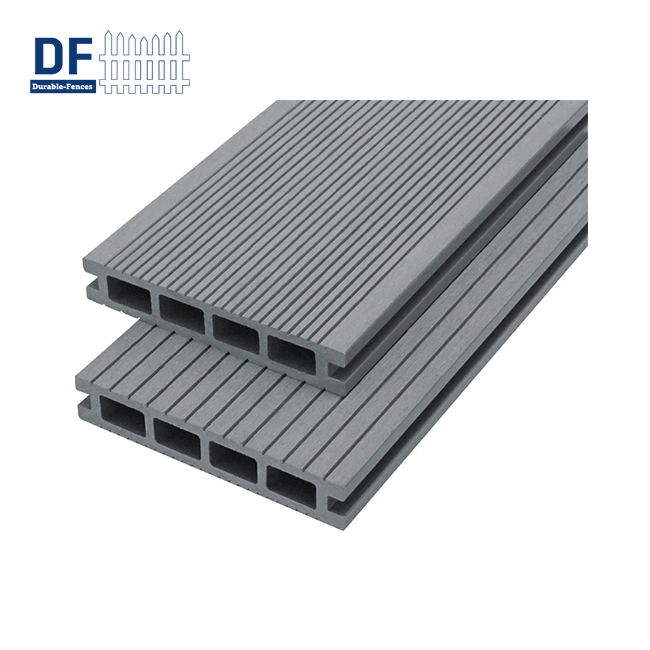
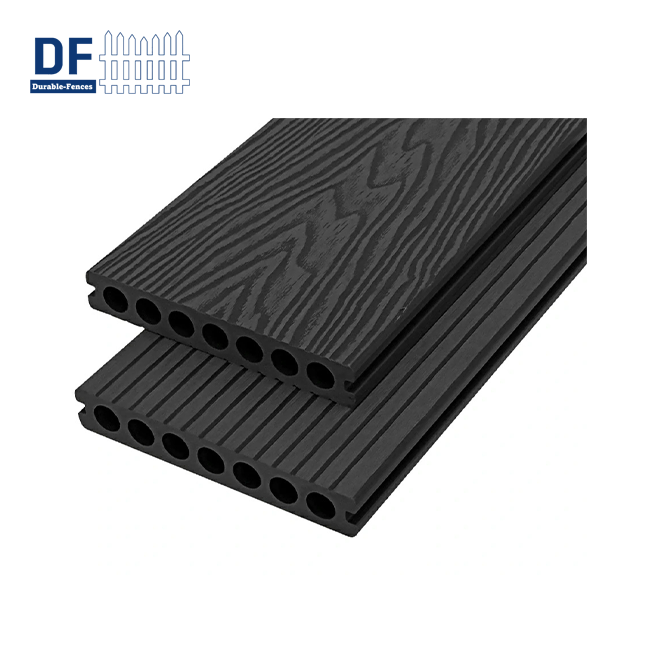
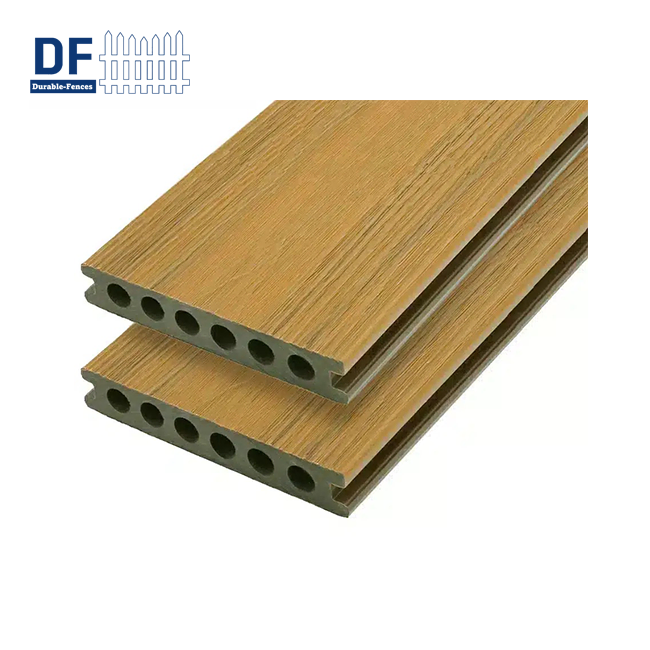
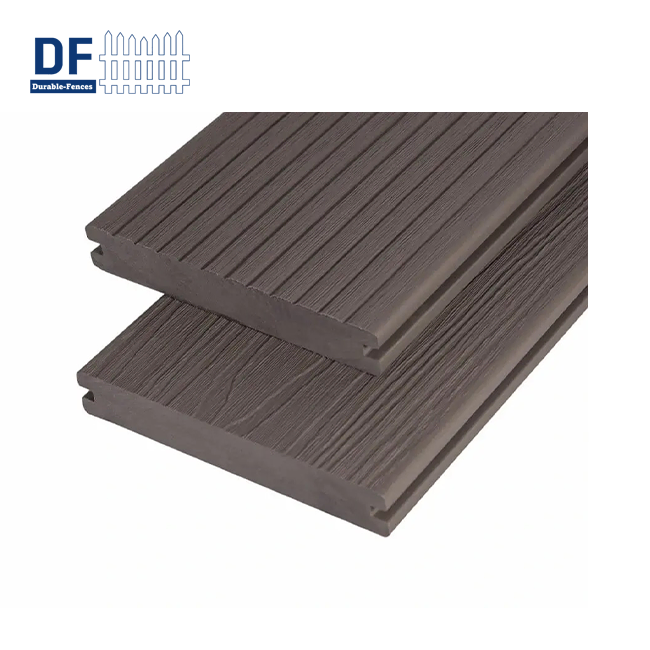
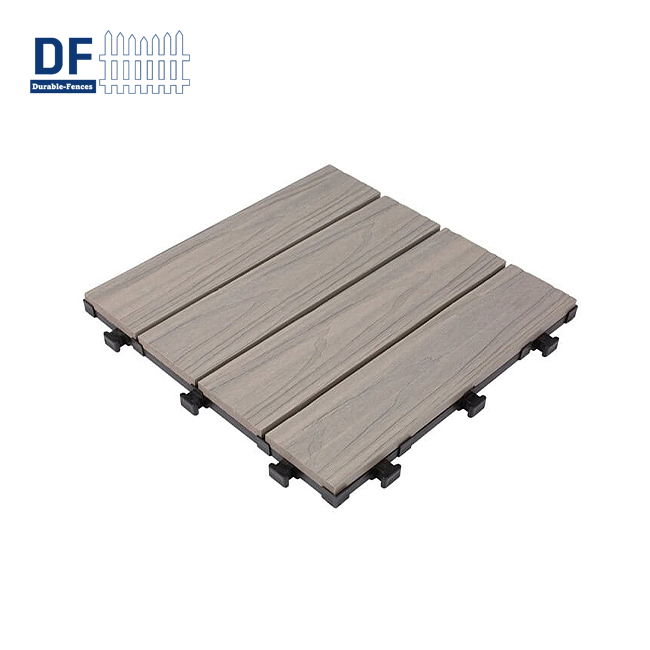
Do you want long-lasting flooring for your upcoming project? The products made by Shaanxi Durable-Fences Technology Co., Ltd., are of high quality and meet both international and environmental standards. Our products are dependable and satisfy US (ASTM D7039), EU (CE), and Chinese (GB/T 24137) quality standards. Our E0 environmental standards and Recycled Content certification show that we are environmentally friendly. We help building companies with technical issues, have fair prices, and let them order in bulk. Builders of fences can use our unique plans and installations. Get free samples of our WPC flooring to see how long it lasts and how eco-friendly it is. Email us at info@durable-fences.com to find out how our WPC flooring can help your projects and help the environment. We are a well-known WPC floor manufacturer, and we offer new, eco-friendly flooring options for buildings.
References
1. Johnson, A. (2022). "Sustainable Flooring Options: A Comprehensive Analysis of WPC and Hardwood". Journal of Green Building, 17(3), 45-62.
2. Smith, B., & Brown, C. (2021). "Life Cycle Assessment of Flooring Materials: Comparing WPC and Traditional Hardwood". Environmental Science & Technology, 55(8), 5432-5445.
3. Green Building Council. (2023). "Eco-Friendly Flooring Choices for Sustainable Construction". Annual Report on Sustainable Building Materials.
4. Thompson, R. (2022). "The Impact of Flooring Choices on Indoor Air Quality and Environmental Health". Indoor and Built Environment, 31(4), 789-803.
5. World Wildlife Fund. (2023). "Deforestation and the Flooring Industry: Sustainable Alternatives to Hardwood". Forest Conservation Report.
6. Lee, J., & Park, S. (2021). "Innovations in Recycled Plastic Utilization: The Case of WPC Flooring". Waste Management & Research, 39(7), 912-925.
7. Environmental Protection Agency. (2023). "Lifecycle Analysis of Flooring Materials: Environmental Impacts and Considerations". EPA Sustainability Report.





Get a Quote for Your Fencing Project Today