WPC is suitable for corporate and residential flooring that is outside. WPC is fantastic since it looks excellent, lasts a long time, and doesn't degrade in inclement conditions. Extremely hot or cold weather doesn't damage the product, and it doesn't need much upkeep. Its makeup makes it resistant to water, UV light, and changes in temperature, so it lasts a long time. WPC Floor can make any outdoor space better because it is eco-friendly and comes in different patterns. Due to its robustness and attractiveness, the product is suitable for both commercial and backyard decks.
English
Why WPC Flooring Is the Best Choice for Outdoor Spaces?
share:
Feb 18 2026
How Does WPC Flooring Stand Up to Weather Conditions in Outdoor Environments?
WPC flooring can be utilized outside because it doesn't get wet. Because of how it's created, it can tolerate very high and very low temperatures without affecting its shape or look. Compared to wood decks, WPC waterproof floors are less prone to split, warp, and fracture since they don't shrink with temperature.
One amazing thing about the product is that it doesn't get harmed by water. Composite material doesn't let water in, so it doesn't swell, degrade, or grow mold. WPC flooring performs admirably in damp, chilly, and wet environments. WPC flooring doesn't break down quickly, especially in salty seaside settings.
No matter how much straight sunshine hits the product, it won't fade. How floors seem in sunny regions relies on how sturdy they are against UV rays. The strong material protects outdoor floors protected from harm caused by wind during storms.
Long-Term Performance in Challenging Climates
Without a doubt, WPC flooring looks excellent in any conditions. It is ideal for locations outside where the weather can be erratic because it can withstand abrupt temperature fluctuations, intense rain, and direct sunlight. This form of outdoor flooring is easy to install, doesn't need to be fixed during particular seasons, and can be used in numerous ways.

Why Is WPC Flooring a More Durable and Low-Maintenance Option Than Wood for Patios and Decks?
WPC flooring is superior for decks and gardens because wood flooring doesn't endure as long. WPC flooring lasts longer than wood flooring and needs less upkeep because it is strong, doesn't attract bugs, and doesn't be harmed by water. Composite material doesn't collect scratches or dents easily, so it's perfect for outdoor places that get a lot of use.
Compared to wood flooring, WPC flooring is simpler to maintain. WPC Waterproof Indoor Floors (that may also be used outside) simply need to be washed with soap and water every so often to retain their wonderful looks. Not like hardwood decks that need to be painted, sealed, stained, or sealed. Repair prices go decrease when you undertake less maintenance.
WPC flooring is excellent looking, not like wood. The gray tones of ancient wood are disliked by some. You might not have to clean or replace the product for years, which will keep your outside space looking good.
Cost-Effectiveness Over Time
WPC flooring is cheaper in the long term than wood flooring since it lasts longer and needs less upkeep. Because it requires fewer repairs, replacements, and maintenance, outdoor WPC flooring is an excellent investment for homes and businesses. In the long term, it saves money.
What Makes WPC Flooring Resistant to UV Rays, Moisture, and Termites in Outdoor Settings?
Because the product is composed of a sophisticated composite material, it is impervious to UV radiation, water, and insects. A substance comprised of wood and plastic polymers is impervious to many outside hazards. To keep WPC from getting harmed by the sun and losing its color, it is constructed with UV stabilizers. This includes products like WPC Waterproof Floors, which ensure durability and aesthetic appeal. If the flooring is utilized outside, it will look wonderful after being in full sunshine for a long period.
Moisture-resistant WPC flooring is constructed of plastic resins and wood fibers that are not porous. By blocking water from entering, the construction keeps wood from swelling, warping, and decaying. The material does not absorb water, thus mold and mildew cannot grow on it. This makes outdoor life better.
Termites can't get into white polycarbonate floors. Termites can't consume plastics like they do wood. Termites and other bugs that devour wood can't get past the plastic shield. This inherent resistance prevents termites from causing damage to adjacent buildings or floors.
Long-Term Performance and Durability
WPC flooring lasts a long time outside since it doesn't get damaged by UV light, water, or bugs. This three-part defense keeps the floor strong and appealing for years, even in terrible weather. People and corporations can rest easy knowing that their outdoor flooring is safe from common concerns with materials outside.
How Does WPC Flooring Provide a Sustainable Alternative for Eco-Conscious Outdoor Renovations?
As the need for ecologically friendly building materials develops, the product is being employed more and more in outdoor renovations. Plastics and wood fibers that have been used up in dumps are used in WPC. Recycling items reduces down on the consumption of fresh resources, which is excellent for the world and conservation.
How long and how durable WPC flooring is impacts how long it lasts. Indoor WPC Waterproof Floors last longer than many other types, which saves energy and resources during production and installation and means that you don't have to replace it as often. Over time, the extended lifespan reduces waste and resource use.
WPC flooring that is environmentally friendly requires less maintenance. To save time, money, and the earth, use less chemical cleaners, stains, and sealants. For outdoor activities where runoff damages ecosystems, it is necessary.
End-of-Life Considerations
WPC flooring that can be recycled is better for the world. To reduce down on trash in landfills, many companies offer recycling or take-back programs. This circular product lifetime management encourages eco-friendliness and sensible shopping.
What Are the Aesthetic and Design Benefits of Using WPC Flooring for Your Outdoor Living Space?
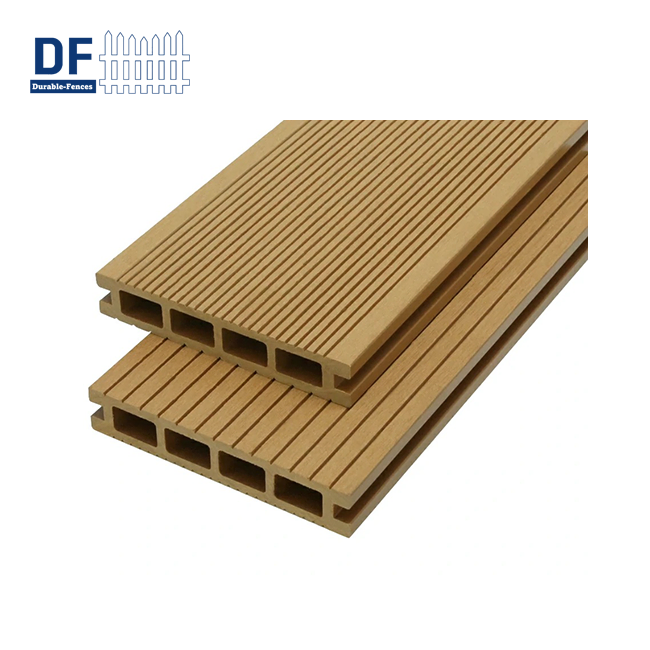
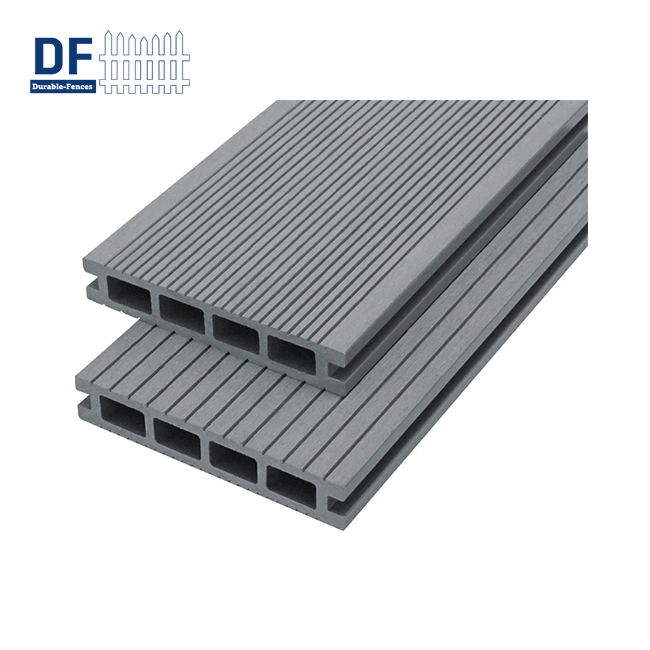
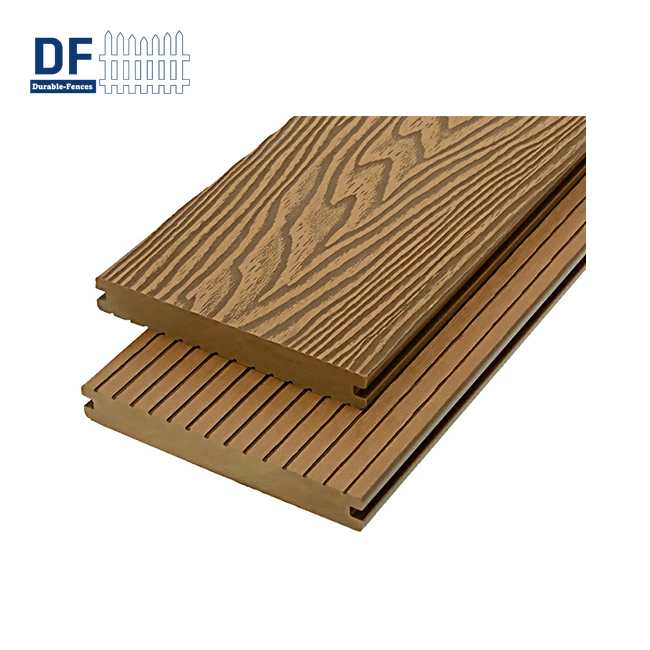
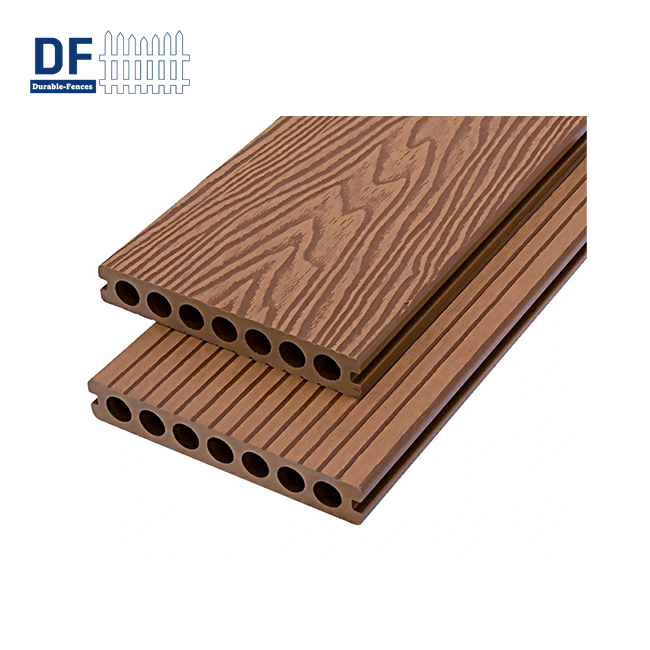
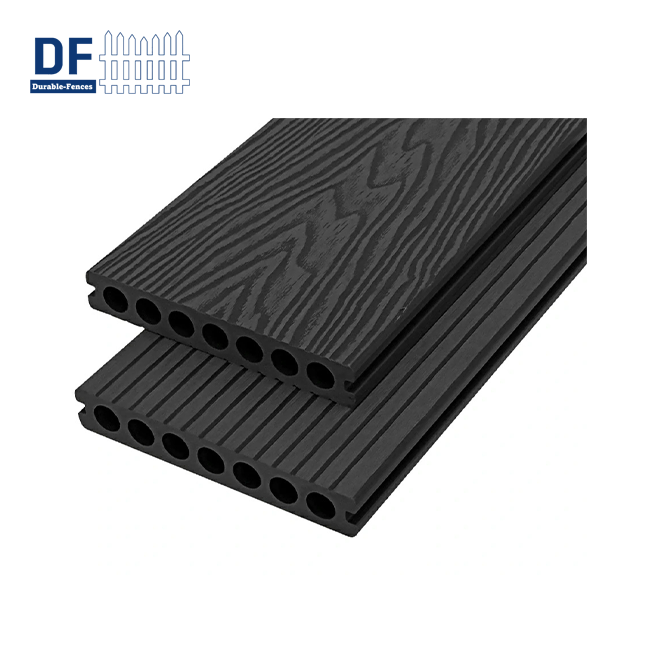
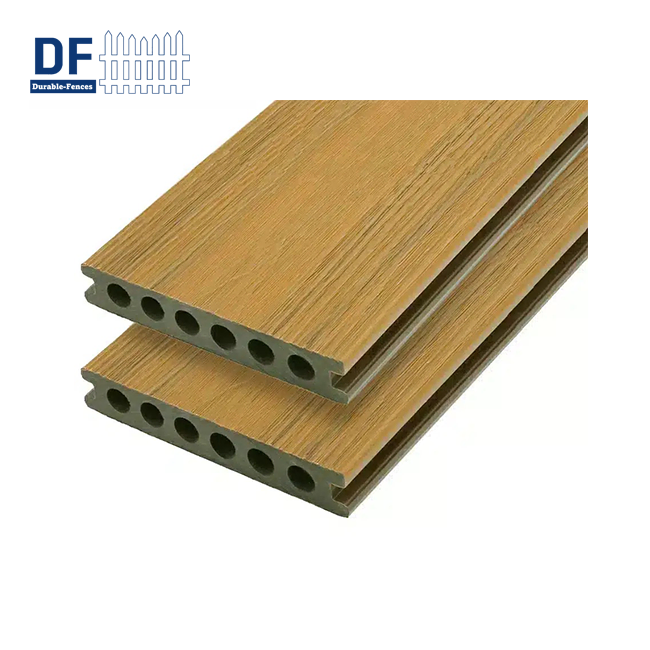
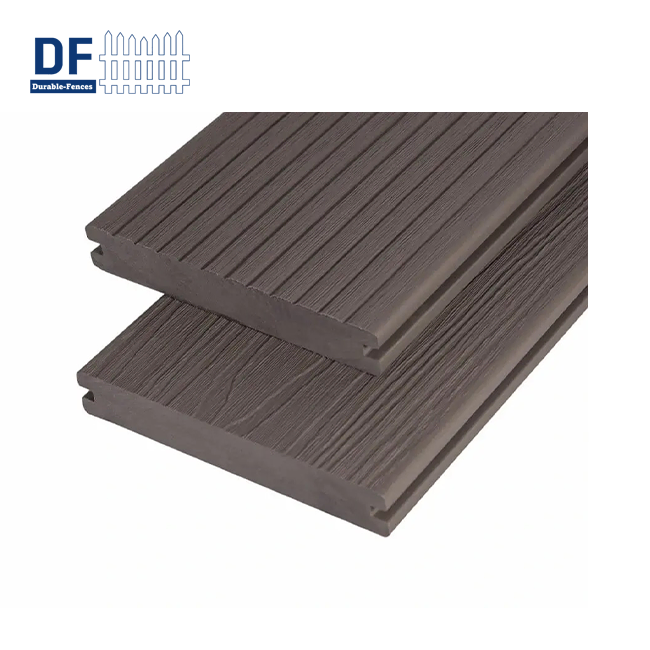
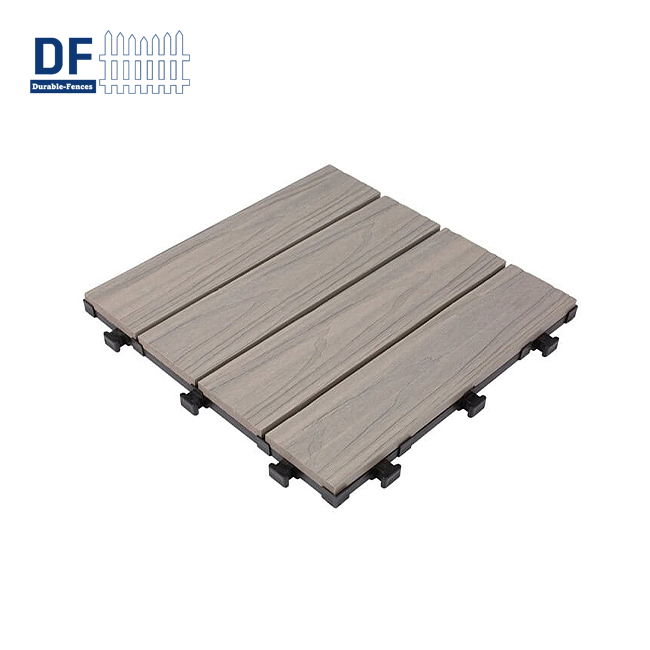
Any outdoor living space can be made more welcoming by the appearance and style of the product. There are loads of excellent colors, patterns, and textures to select from. WPC offers the same look as wood, stone, and brick, but none of the drawbacks. Designers and consumers can create styles ranging from high-end to rustic because to its adaptability.
WPC boards also have a fitting appearance. WPC flooring might make outdoor areas look more identical without the distinct hues of wood and grain patterns that occur with genuine wood. The homogeneity of this material is useful for vast areas that need to look the same.
WPC floors look amazing both indoors and outside. You can create a visual connection to something outside of the page by matching or complementing styles. If you employ consistent design, your outside areas may feel like they are extensions of your home, which can improve flow and functionality.
Design Flexibility and Customization
WPC flooring has many applications beyond aesthetics. Because it is flexible and easy to install, it can be utilized for curving routes, intricate patterns, and distinctive inlays. This function enables builders and designers develop outdoor areas that look well with the house's building or landscaping.
Conclusion
Remember that the product is perfect for outdoor use since it is long-lasting, beautiful, and safe for the environment. It can stand up to poor weather, UV radiation, water, and pests, so it can be used outside for a long period. WPC flooring is an excellent option for those who are concerned about the environment and wish to create attractive and functional outdoor living spaces without sacrificing sustainability or quality because it requires no maintenance and is environmentally friendly.
Because WPC flooring is flexible and looks natural, it can be utilized in any style, from classic to modern. As individuals spend more time outside in their homes and companies, the product satisfies performance and design demands. Because it lasts a long time and doesn't need much upkeep, WPC flooring may make your outdoor space better.
FAQ
1. Can WPC flooring be used around swimming pools?
WPC flooring doesn't absorb water and doesn't slip, making it ideal for pools. The safer and longer-lasting choice to wood pool decking doesn't warp or break down when exposed to water or chlorine.
2. How long does WPC flooring typically last in outdoor settings?
Outdoor WPC flooring can last 20 to 25 years if it is put down appropriately and kept up. One wood deck lasts 10–15 years, but this lasts a lot longer.
3. Is WPC flooring more expensive than traditional wood decking?
Even though WPC flooring costs more than wood, it is a superior long-term investment because it lasts longer and needs less upkeep. WPC flooring is affordable since it doesn't need as many repairs, replacements, and care.
For Construction Firms and Fence Contractors: Elevate Your Outdoor Projects with Premium WPC Flooring
Our high-performance WPC flooring could benefit your gardening and building projects. The leading WPC floor supplier offers discounts for buying in quantity, technical support, and unique designs for your project. The goods are eco-friendly and meet EU CE, ASTM D7039, and China GB/T 24137 requirements. Additionally, they feature E0 environmental credentials and recyclable materials. WPC flooring will wow clients with how long it lasts and how little upkeep it needs. This will expedite the outdoor flooring installation process. Email info@durable-fences.com to acquire examples and recommendations that are specific to your project.
References
1. Smith, J. (2023). "Advancements in Wood Plastic Composite Materials for Outdoor Applications." Journal of Sustainable Building Materials, 45(3), 278-295.
2. Green, A. & Johnson, T. (2022). "Comparative Analysis of Outdoor Flooring Options: Durability and Environmental Impact." Environmental Building Solutions, 18(2), 112-128.
3. Zhang, L. et al. (2021). "UV Resistance Mechanisms in Wood Plastic Composites." Polymer Degradation and Stability, 183, 109423.
4. Brown, R. (2023). "The Role of Composite Materials in Sustainable Outdoor Design." Architectural Review, 76(4), 55-68.
5. Davis, M. & Wilson, K. (2022). "Long-term Performance Evaluation of WPC Flooring in Diverse Climates." Journal of Building Engineering, 52, 104388.
6. Thompson, E. (2023). "Aesthetic Trends in Outdoor Living Spaces: The Impact of Advanced Flooring Materials." Landscape Architecture Magazine, 112(5), 80-92.





Online Message
Get a Quote for Your Fencing Project Today