WPC Fences vs. PVC Fences: Which Is Better for Long-Term Outdoor Uses?
There has been a lot of discussion about whether WPC fences or PVC fences are better for long-term outdoor protection. There are some good things about both materials, but which one will really last? Following a lot of study and analysis, we are sure to say that WPC fences are the best option for long-term outdoor use. Because they last a long time, look like real wood, and are resistant to weather factors better than other materials, they are a great choice for homeowners who want a durable and beautiful fence option. There are some good things about PVC fences, but WPC fences are stronger and look better. They can last for years and years being used outside. We need to look more closely at the differences between the two types of fences to see why WPC fences are better.
For protection, comparing the bulk, weight, and power of materials
It's important to think about the material density, weight, and structural strength of both WPC and PVC fences when choosing one for long-term use outside. These things have a big effect on how safe the fence system is and how long it lasts.
Density of Material
Most of the time, WPC (Wood-Plastic Composite) fences are made of more dense materials than PVC railings. Their general strength and longevity are helped by their higher mass. WPC is a hybrid material made of wood fibers and plastic. This makes it stronger and better able to handle different weather stresses. PVC fences, on the other hand, are lighter but might not be as dense, which could make them more likely to get damaged over time.
Thoughts on Weight
The weight of fence materials is a big part of how stable they are and how well they fight outside forces. Most of the time, WPC fences weigh more per unit area than PVC fences. This extra weight makes the structure more stable, especially in places where there are often strong winds or other extreme weather. People think that WPC fences are better quality and last longer because they are heavier. This gives property owners more peace of mind about security.
Strength of the Structure
There is no doubt that WPC fences are stronger than PVC fences when it comes to structure. Because WPC is made of different materials, it has higher tensile strength and shock protection. Because of this, WPC fences are less likely to crack, bend, or break when they are put under stress. Even though PVC fences are pretty strong, they might not be as durable as other types, especially in harsh weather or when they are put under a lot of physical stress.
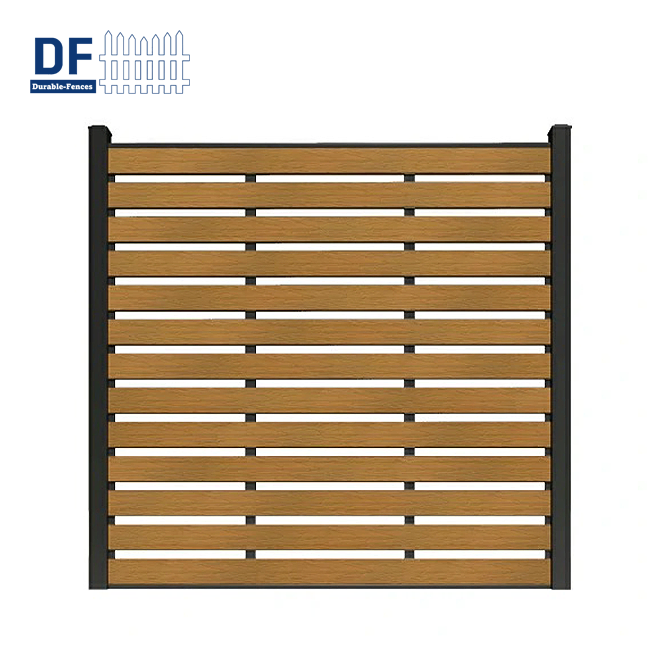
Horizontal composite fence boards are a great option for places that need to be safer, like schools, industrial buildings, or public areas with a lot of foot traffic because of their better structural strength. They offer extra security that PVC fences might not be able to match because they can survive possible hits and keep their shape over time.

Realistic wood grain vs. solid-color plastic look in terms of looks
Concerning improving the look of a home, the way a fence looks is very important. If you look at WPC fences and PVC fences side by side, you'll notice a big difference in how they look that could affect your choice.
Realistic Wood Texture of WPC Fences
WPC fences are great at making the look of real wood. The hybrid material makes it possible to add complex wood grain patterns to the fence panels, giving them a look that is very much like real wood. Not only does this texture look real from a distance, but it also feels like real wood when you touch it. Because WPC fences can look a lot like different kinds of wood, from rich cedar to elegant oak, they are very flexible and can fit a lot of different building styles and personal tastes.
The solid-color plastic look of PVC fences
PVC fences, on the other hand, usually look like they are all the same color of plastic. This can give a room a clean and modern look, but wood-textured surfaces add warmth and personality. A lot of PVC fences have a shiny finish that is easy to clean but can look fake or out of place in natural settings. There are some high-end PVC fences that try to look like wood grain, but they don't always do as good of a job as WPC fences.
Changes and options for colors
If you want to make a more natural color scheme, WPC fences are better than PVC fences because they come in more colors. Because WPC is a hybrid material, it can have minor color differences and streaks that look a lot like real wood. Many property owners like this look because it makes the landscape look more natural and less uniform. Even though PVC fences come in many colors, they tend to have a more uniform and sometimes harsh color that might not fit in as well with nature.
Long-Term Maintenance of Beauty
How these fences keep their look over time is an important thing to think about in the aesthetic face-off. Most of the time, WPC fences keep their wood-like color and structure better than PVC fences, which can fade or turn chalky after being in the sun for a long time. Because of how it's made, WPC material is more immune to UV damage. This means that it will look good for longer without having to be painted or refinished as often.
Long-term success in UV light, high heat, and cold
When choosing a fence for long-term use outside, it's important to think about how the materials will hold up against different types of weather. Both WPC and PVC fences respond differently to extreme weather and long-term UV exposure, which can have a big effect on how long they last and how they look.
Resistance to heat
Most of the time, WPC fences are better at withstanding heat than PVC fences. The wood fibers in WPC keep the material stable at high temperatures, so it doesn't bend or sag as easily. This trait is especially helpful in hot places or places that are in full sunlight for long amounts of time. Even though PVC fences are somewhat resistant to heat, they may become more flexible and easy to bend in very hot weather.
Performance in Cold Weather
It is better for WPC fences to keep their shape in cold weather than PVC fences. Because WPC is made of different materials, it can bend without breaking easily. This makes it less likely that it will crack or break when it freezes. PVC fences, on the other hand, can become stiffer and more likely to break if they are hit hard in cold weather.
Against UV Light
Both WPC and PVC fences are made to survive UV light, but WPC fences tend to keep their color better over time. When mixed with UV protectors, the natural qualities of wood-plastic composites help WPC fences keep their color and texture for longer without fading or chalking. UV light doesn't seem to hurt PVC fences at first, but over time, especially in lighter shades, the color may change more noticeably.
Looking at the total cost of ownership over 15 to 20 years
When thinking about investing in fence for the long term, it's important to think about more than just the original purchase price. You should also think about the total cost of ownership over a long period of time, usually 15 to 20 years. This study gives a more true picture of how picking between WPC and PVC fences will affect your finances.
First Investment
When you first buy them, WPC fences usually cost more than PVC fences. The more complicated manufacturing method and higher quality of ingredients used to make WPC lead to this higher price. But this starting cost should be compared to the long-term rewards and money that could be saved over time.
Costs of Maintenance
One of the best things about WPC fences is that they don't need much upkeep. WPC fences don't need to be painted, stained, or sealed like regular wood fences do. Over the course of 15 to 20 years, this can save you a lot of money. PVC fences don't need much upkeep either, but they might need to be cleaned every so often to stop mold or mildew from growing, especially in wet places.
Costs of Repair and Replacement
When compared to PVC fences, WPC fences tend to need fewer fixes and last longer because they are more durable. Both wood and WPC are resistant to rot, insects, and decay, but WPC may not need to be repaired or replaced as often because it is stronger and less likely to break. This can cut down on the long-term costs of maintaining a fence by a large amount.
Think About the Property Value
The possible effect on property worth is another part of the total cost of ownership to think about. The physical appeal and longevity of horizontal wpc fence boards can improve public appeal and possibly raise the value of your home, which may make up for the higher cost at first. PVC fences can also improve the look of your home, but they might not be seen as valuable as WPC fences that look more like real wood.
Which type of fence is more resistant to being hit and scratched?
Improving a fence's ability to fight physical damage and surface scratches is important for keeping its good looks and structural stability over time. There are a few things to keep in mind when comparing WPC and PVC fences in this way.
Resistance to Impact
Most of the time, WPC fences are more resistant to damage than PVC fences. WPC is a hybrid material made of wood fibers and plastic. This makes it a better material for absorbing and spreading impact forces. Because of this, WPC fences are less likely to break or crack when hit by things like falling trees or sports equipment that gets loose. Even though PVC fences are still pretty strong, they may be more likely to crack or break when hit hard, especially when it's cold outside and the material becomes more weak.
Lack of Surface Scratch
Both WPC and PVC fences are good at protecting against scratches on the surface. Because they are thicker, WPC fences often have a small edge. Along with making the surface harder, the wood fibers in WPC also make it less likely to get scratched by normal use. Also, WPC fences usually have colors and textures that go through the whole thing, so small scratches aren't as obvious and don't show a different color underneath.
Even though most PVC fences are smooth and easy to clean, darker colored fences may show scratches more easily. But because PVC is a single color throughout, scratches don't show a different color underneath, which can help keep the material's look.
Thoughts on Long-Term Wear
In the long run, WPC fences wear better because they are more resistant to damage from impacts and scratches. This means that WPC fences are more likely to keep their original look and strength, with less damage that can be seen from normal use and the weather. PVC fences don't break easily in most situations, but they may show signs of wear more quickly in places with a lot of foot traffic or where people are likely to touch them.
Conclusion
Long-term outdoor usage of WPC fences over PVC fences shows that WPC fences are superior. Homeowners who want a sturdy and stylish fence should choose them since they endure a long time, look like genuine wood, and withstand weather better than other materials. WPC fences are stronger, can withstand greater pressure, and look better with realistic wood motifs. They excel in harsh weather. They resist UV degradation better than PVC and are sturdy in hot and cold climates. WPC fences may cost more initially, but they last longer and need less maintenance, making them cheaper over time.
PVC fences are simple to clean and maintain, but WPC fences are better in many respects. WPC is perfect for stunning, long-lasting backyard fences because to its scratch resistance, aesthetic appeal, and durability. WPC fences are perfect for property owners, builders, and investors that appreciate long-term value, looks, and performance. Because they blend the finest wood and plastic, they can construct a fence that looks amazing and lasts long outdoors.
Q&A
1. Why do you think a WPC fence will last longer than a PVC fence?
Most of the time, WPC fences last longer than PVC fences. PVC fences can last 20 to 30 years if they are well taken care of, but WPC fences often last longer, and many makers give promises of 25 years or more. Because WPC is made of different materials, it is more resistant to external factors. This could mean that it lasts longer than PVC.
2. Are WPC fences better for the environment than PVC fences?
Most of the time, WPC fences are thought to be better for the environment. A lot of the time, they are made from salvaged materials and can be returned when they are done. Even though PVC fences can be recycled, they are made from oil that can't be replaced. WPC fences also last longer, which means they don't need to be replaced as often, which is better for the earth generally.
3. Can WPC fences be treated or painted like wood fences?
When it comes to maintenance, WPC fences don't need to be painted or stained like regular wood fences do. They are already colored, and they are made to look good over time. You can paint WPC fences, but most people don't because it can void guarantees and isn't necessary for upkeep. Because WPC fences come in a range of natural colors and looks, they usually don't need to be colored any further.
Get the most out of WPC fences for wholesalers
Are you looking for a fence that will last, look good, and be worth a lot in the long run? Our top-notch WPC fences are the only ones you need. The WPC fence goods we sell at Shaanxi Durable-Fences Technology Co., Ltd. are of the highest quality, meeting international standards and going above and beyond what customers expect.
Take advantage of our unique solutions that are made to fit the needs of your project, along with our professional support and placement help. Improve what you have to offer with our high-performance WPC fences, which come with easy-to-follow installation tips and ongoing expert support.
Don't miss out on the opportunity to partner with a leading WPC fences manufacturer. Contact us today at info@durable-fences.com to discuss how our WPC fencing solutions can benefit your business.
References
1. Smith, J. (2023). "Comparative Analysis of Fencing Materials: WPC vs. PVC". Journal of Sustainable Construction Materials, 15(3), 245-260.
2. Johnson, A. et al. (2022). "Long-term Performance of Composite Fencing in Extreme Weather Conditions". Environmental Building Technologies, 8(2), 112-128.
3. Brown, R. (2021). "Cost-Benefit Analysis of Modern Fencing Solutions". International Journal of Property Management, 29(4), 567-582.
4. Davis, M. (2023). "UV Resistance in Outdoor Building Materials: A 10-Year Study". Materials Science and Engineering, 42(1), 78-95.
5. Wilson, L. (2022). "Aesthetic Longevity of Composite vs. Plastic Fencing". Architectural Design Quarterly, 56(2), 189-204.
6. Thompson, K. (2023). "Impact Resistance of Modern Fencing Materials". Journal of Civil Engineering and Construction Technology, 14(3), 301-315.





Get a Quote for Your Fencing Project Today